If you are drawn to Southport’s historic homes, you are probably not looking for something cookie-cutter. You want character, craftsmanship, and a sense of place, but you also want to understand what comes with an older property before you commit. The good news is that Southport offers a remarkable mix of architectural styles and long-term value, especially when you know how to evaluate updates, rules, and costs up front. Let’s dive in.
Why Southport Historic Homes Stand Out
Southport’s historic housing stock is unusually varied for a small village center. The Southport Historic District was formed in 1967, expanded in 2007, includes more than 150 buildings, and was listed in the National Register of Historic Places in 1971. According to Fairfield’s historic district handbook, the district reflects architecture from the early, middle, and late eighteenth century, major nineteenth-century styles, and selected twentieth-century examples.
That range matters when you are shopping. In Southport, you may be comparing a Saltbox, a Federal house, a Greek Revival, an Italianate home, a Queen Anne, or a Colonial Revival, all within the same district. Each one can come with different room sizes, renovation histories, and maintenance needs.
The Fairfield handbook also notes that some large gardens and lawns remain close to their original state. That helps explain why many homes here feel especially distinctive. You are not just buying square footage. You are often buying a setting and streetscape that newer construction cannot easily replicate.
What Architecture Means for Ownership
Historic architecture affects more than appearance. It can shape how a home lives day to day, from ceiling height and natural light to storage, circulation, and room layout. Older homes often reflect the building practices and household patterns of their time, so the living experience can differ meaningfully from a newly built home.
That is especially true in Southport because the district includes homes from multiple centuries. An eighteenth-century house may offer a very different floor plan and proportion than a 1920s Colonial Revival. As a buyer, it helps to think beyond curb appeal and focus on how the house functions for your lifestyle today.
Common Updates Older Southport Homes May Need
One of the biggest questions buyers ask is simple: what will need work first? In older homes, the answer often starts with efficiency and core systems. The Department of Energy recommends a whole-house assessment that looks at the building envelope, heating and cooling systems, electrical systems, and appliances.
For historic buildings, energy performance often comes down to air leakage and insulation. The National Park Service notes that common issues include drafts around windows and doors, as well as the need to improve attic and wall insulation while still protecting historic character. That means smart upgrades tend to be targeted rather than overly aggressive.
Windows and doors
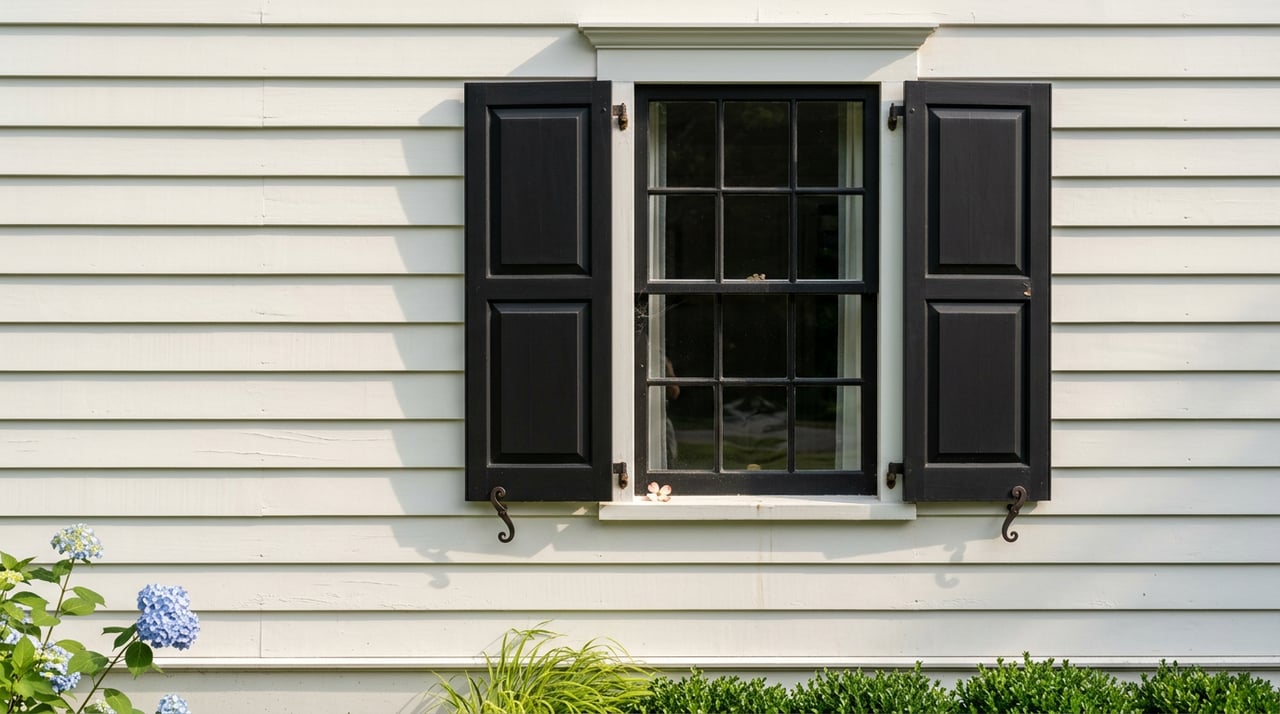
Historic windows and doors are often worth closer review before you assume they need replacement. The National Park Service says they can often be repaired or upgraded, and that measures like storm windows and air sealing may improve efficiency. It also notes that replacement windows generally do not pay back quickly.
For buyers, that can shift the conversation. Instead of asking whether every old window should be replaced, it is often more useful to ask which windows are serviceable, which need repair, and which upgrades could improve comfort without changing the home’s exterior character.
Mechanical, electrical, and plumbing systems
For a larger rehabilitation, it is important to look closely at the home’s major systems. HUD recommends evaluating site conditions, exterior and interior elements, structural components, and electrical, plumbing, and HVAC systems in older residential buildings. The National Park Service also supports sensitive upgrades to mechanical, electrical, and plumbing systems when rehabilitation preserves historic character.
This is where due diligence matters. A beautiful historic home may also need electrical work, updated plumbing, HVAC improvements, or structural repairs. Those items do not make a home less appealing, but they should be factored into your budget and timeline.
Lead-safe renovation
Because many Southport homes predate 1978, lead-safe renovation should be part of your planning. The EPA states that homes built before 1978 are more likely to contain lead-based paint, and projects that disturb painted surfaces should use lead-safe practices. For contractors, EPA certification may also apply.
This is especially relevant if you plan to refinish trim, open walls, replace windows, or do broader remodeling work after closing. Asking the right questions early can help you avoid delays and protect your renovation budget.
What You Can Update More Freely
Many buyers worry that owning a historic home means every change will be tightly controlled. In Connecticut, that is not the case for interior layout and use. State law says historic district commissions do not consider the interior arrangement or use of a building.
That means kitchens, baths, closets, and interior layouts can often be modernized with more flexibility than exterior elements. You still need to follow building code and permit requirements, but most historic district review pressure falls on visible exterior work rather than interior design decisions.
Southport Historic District Rules to Know
If you are considering a home in the Southport Historic District, exterior planning should start early. Under Connecticut law, no building or structure in a historic district may be erected or altered until a certificate of appropriiateness is approved, and no demolition permit may be issued until that certificate exists.
Fairfield’s handbook says the local commission reviews many exterior changes, including reroofing, alterations, hardscape, and lighting. The commission may request plans, elevations, specifications, and material details for review. In practical terms, that means visible exterior work should never be treated as automatic.
Exterior features under review
Connecticut law and Fairfield’s handbook make clear that the commission looks at a wide range of visible exterior features. These may include:
- Windows and doors
- Light fixtures
- Signs
- Above-ground utility structures
- Mechanical appurtenances
- Building materials and texture
- The relationship of the proposed change to surrounding properties
The commission’s focus is limited to exterior architectural features open to view from a public street, way, or place. That distinction is helpful because it gives buyers a clearer framework for what may trigger review.
What may not need approval
Not every project is regulated. Connecticut law allows ordinary maintenance or repair that does not change appearance or design. The law also does not extend commission control to exterior paint color.
That said, the line between maintenance and alteration can matter. If a buyer has a major exterior vision for a property, it is wise to clarify that scope early rather than assume approval will be straightforward.
Why timing matters for buyers
Fairfield’s handbook also notes that only a property owner can apply for a certificate tied to a specific property. That is important if you are considering demolition, a major addition, window replacement, visible equipment relocation, or another substantial exterior change before closing.
In other words, a home may fit your goals in theory, but your intended exterior plans may still need a formal path after you take ownership. For many buyers, that makes pre-purchase planning just as important as the inspection itself.
How Historic Status Can Affect Value
Historic designation raises an important question for buyers and sellers alike: does it help value, hurt value, or simply shape the market differently? A Connecticut study of local historic districts found no evidence that district status reduced property values. In three of the four communities studied, homes inside local historic districts appreciated faster than the community as a whole.
That does not mean every historic home will command a premium automatically. Sale price still depends on condition, updates, lot quality, and exact location. But it does suggest that preserved character and consistent district standards can support long-term value.
In Southport, scarcity is part of the story. The district’s mix of eighteenth-century homes, nineteenth-century styles, selected twentieth-century examples, and surviving village-scale landscape features creates a product that is limited by nature. For many buyers, that uniqueness is part of the value proposition.
A Tax Credit Worth Knowing
If you are planning a substantial rehabilitation, Connecticut offers a Historic Homes Rehabilitation Tax Credit. According to the state, homeowners can apply for a 30 percent return of up to $30,000 on eligible rehabilitation work for a historic home listed on the State or National Register of Historic Places.
For the right buyer, that can be a meaningful financial consideration. It will not eliminate the cost of restoration or updating, but it may improve the economics of a carefully planned project.
How to Evaluate a Southport Historic Home
When I help buyers assess older homes in Lower Fairfield County, I always come back to a few practical questions. Historic charm is real, but so are the numbers. A confident purchase usually comes from balancing architecture, condition, and future plans.
As you evaluate a Southport historic home, focus on these areas:
- Style and period: Understand what era the house comes from and how that may affect layout, materials, and maintenance.
- System condition: Look closely at HVAC, electrical, plumbing, insulation, and structural components.
- Window and door strategy: Determine what can be repaired, upgraded, or restored before budgeting for replacement.
- Exterior review needs: Identify any work that may require historic district approval.
- Renovation safety: Consider lead-safe practices for homes built before 1978.
- Value context: Weigh condition, location, lot quality, and the scarcity of the home’s architecture and setting.
The best outcomes usually happen when you understand all three at once: the home’s design, the likely cost of modernization, and the rules that apply to exterior change. That is what turns a romantic idea into a smart real estate decision.
If you are considering a historic home in Southport and want guidance grounded in local market knowledge and financial clarity, Jillian Klaff can help you evaluate opportunity, risk, and long-term value with confidence.
FAQs
What kinds of historic home styles are found in Southport, CT?
- Southport’s historic district includes Saltbox, Federal, Greek Revival, Italianate, Gothic Revival, Queen Anne, Colonial Revival, early Cape Cod, and selected twentieth-century homes, according to Fairfield’s historic district handbook.
What updates do older Southport homes commonly need?
- Older Southport homes may need attention to insulation, air leakage, windows and doors, HVAC, electrical, plumbing, and other major systems, especially when the home has not been updated recently.
What exterior changes in Southport’s historic district may require approval?
- Exterior changes such as reroofing, window or door changes, hardscape, lighting, additions, visible mechanical equipment, and demolition may require a certificate of appropriateness under Connecticut law and Fairfield’s local historic district process.
Can you remodel the interior of a historic home in Southport, CT?
- Connecticut law says historic district commissions do not consider interior arrangement or use, so kitchens, baths, and interior layouts can often be updated more freely, subject to permits and code requirements.
Does historic district status affect Southport home values?
- A Connecticut study found no evidence that local historic district status reduced property values, and in three of four communities studied, homes in historic districts appreciated faster than the wider community.
Is there a tax credit for rehabilitating a historic home in Connecticut?
- Yes. Connecticut offers a Historic Homes Rehabilitation Tax Credit that provides a 30 percent return of up to $30,000 on eligible rehabilitation work for qualifying historic homes listed on the State or National Register of Historic Places.