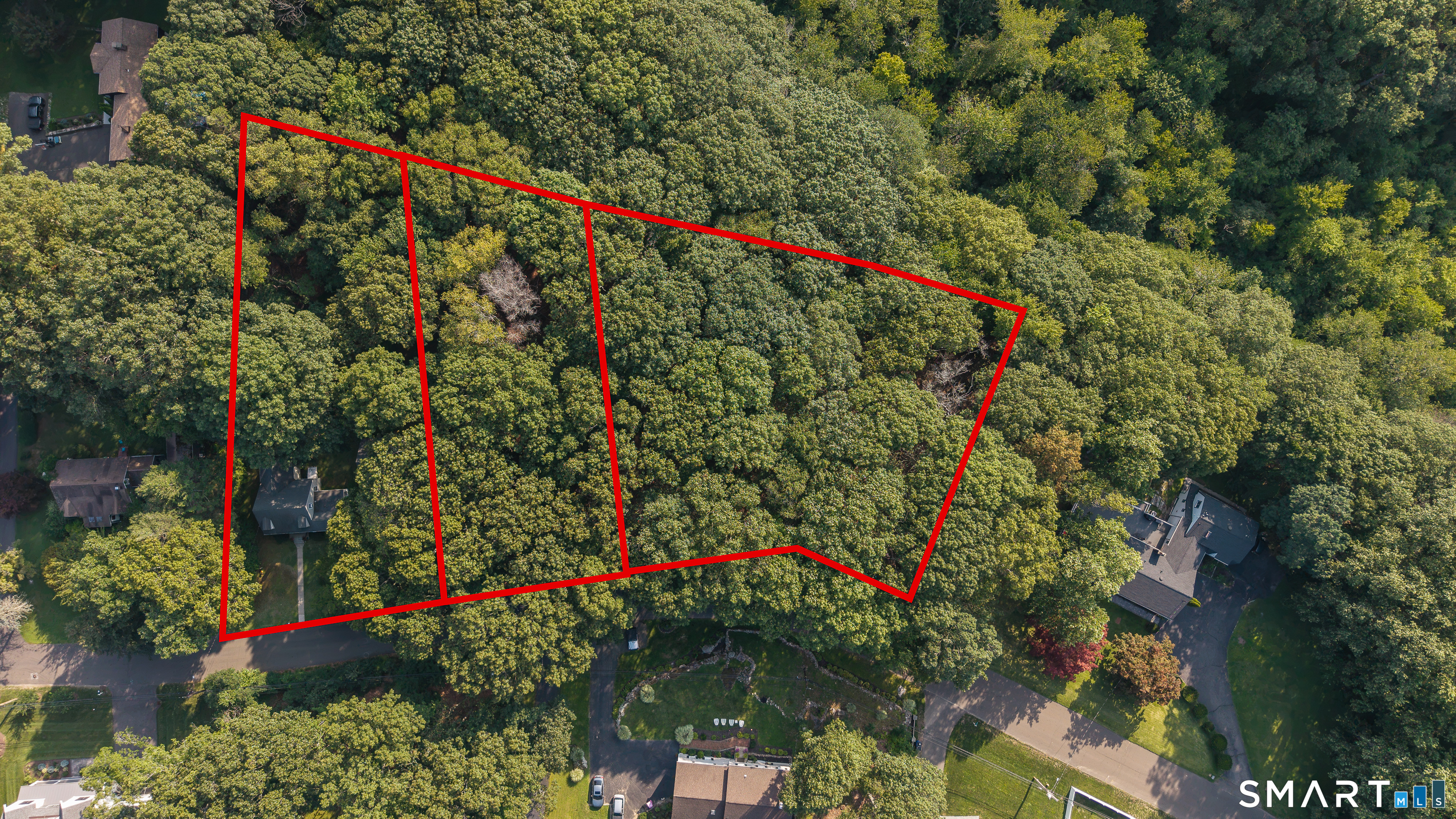
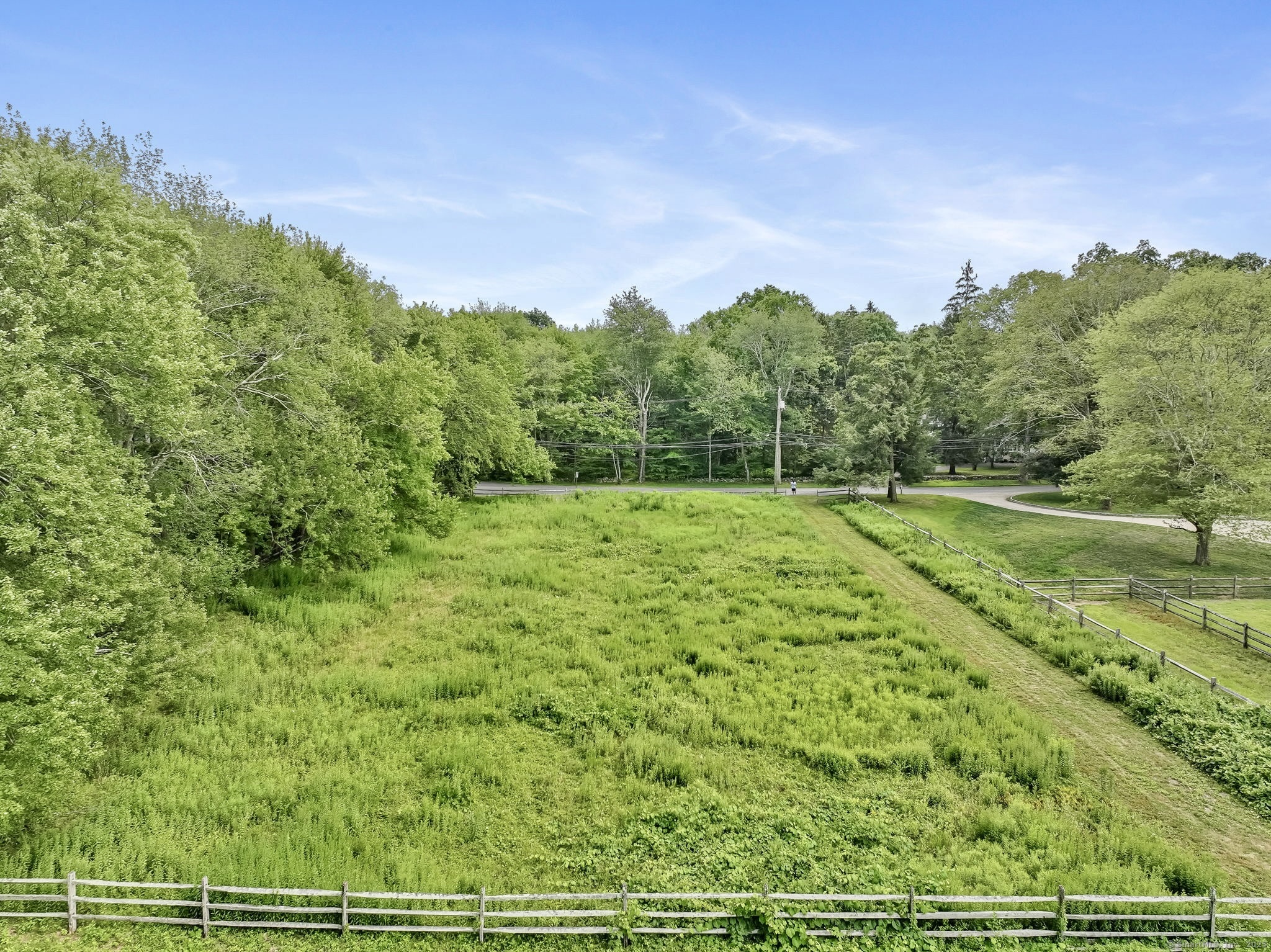
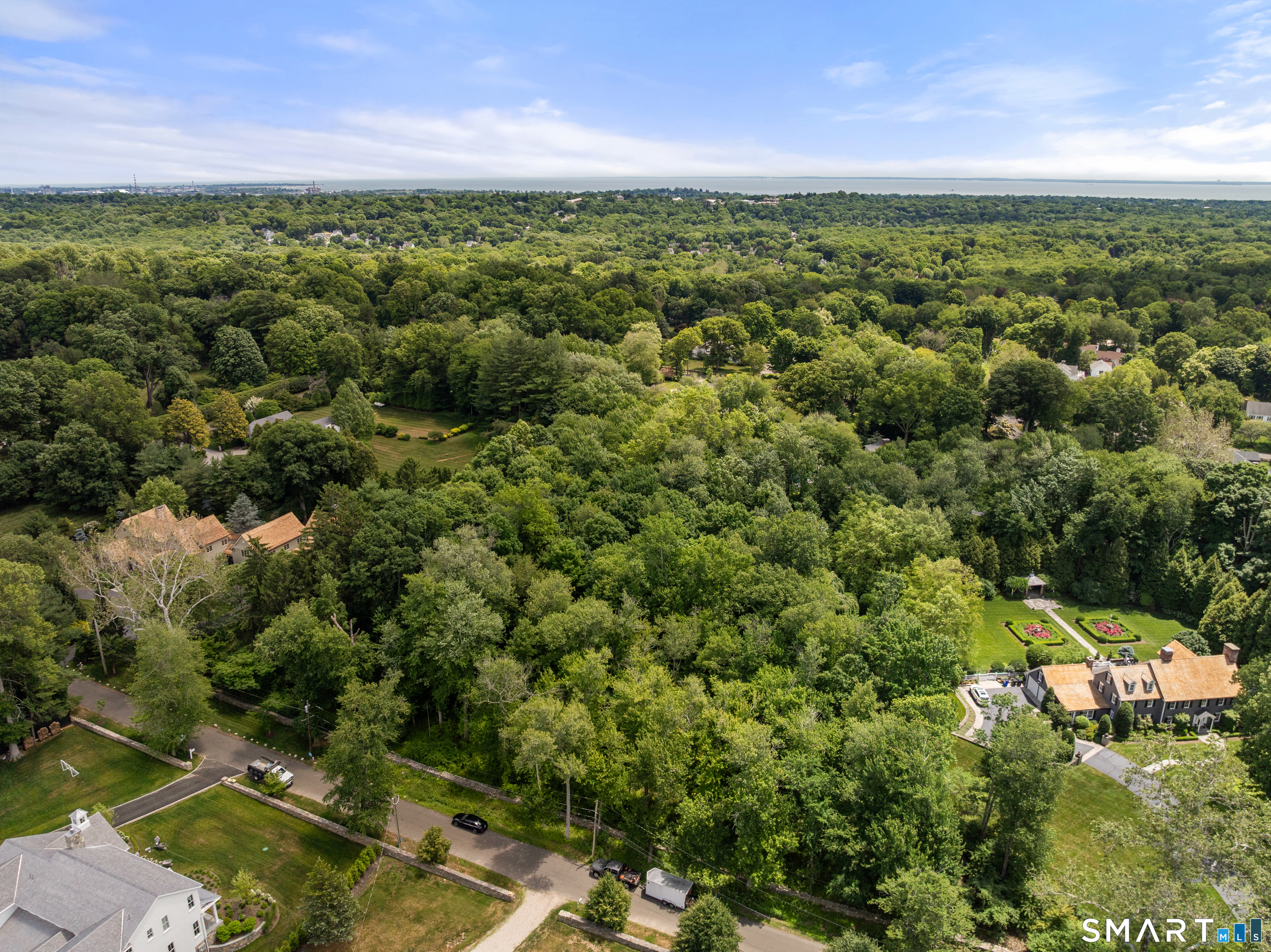
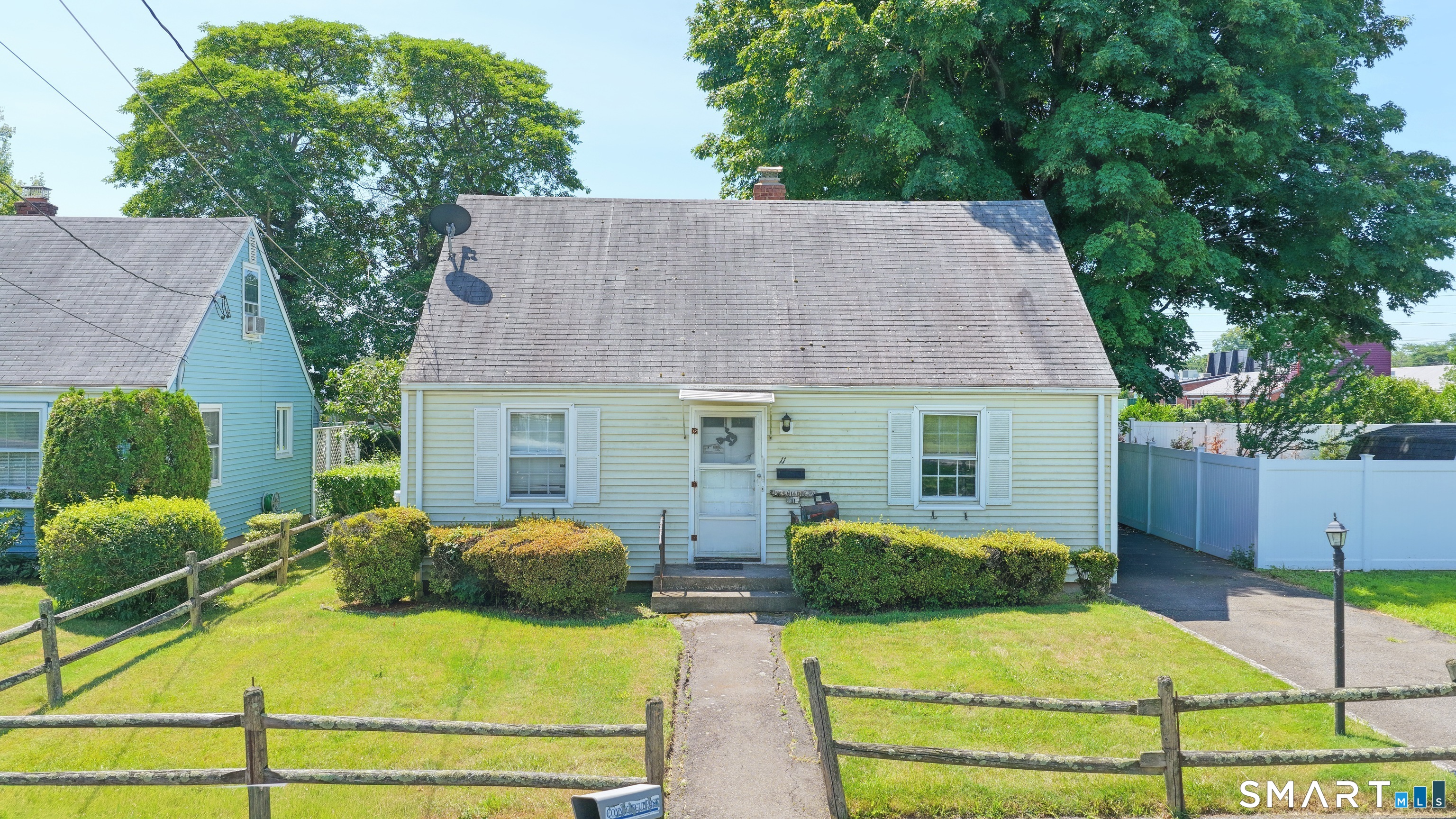
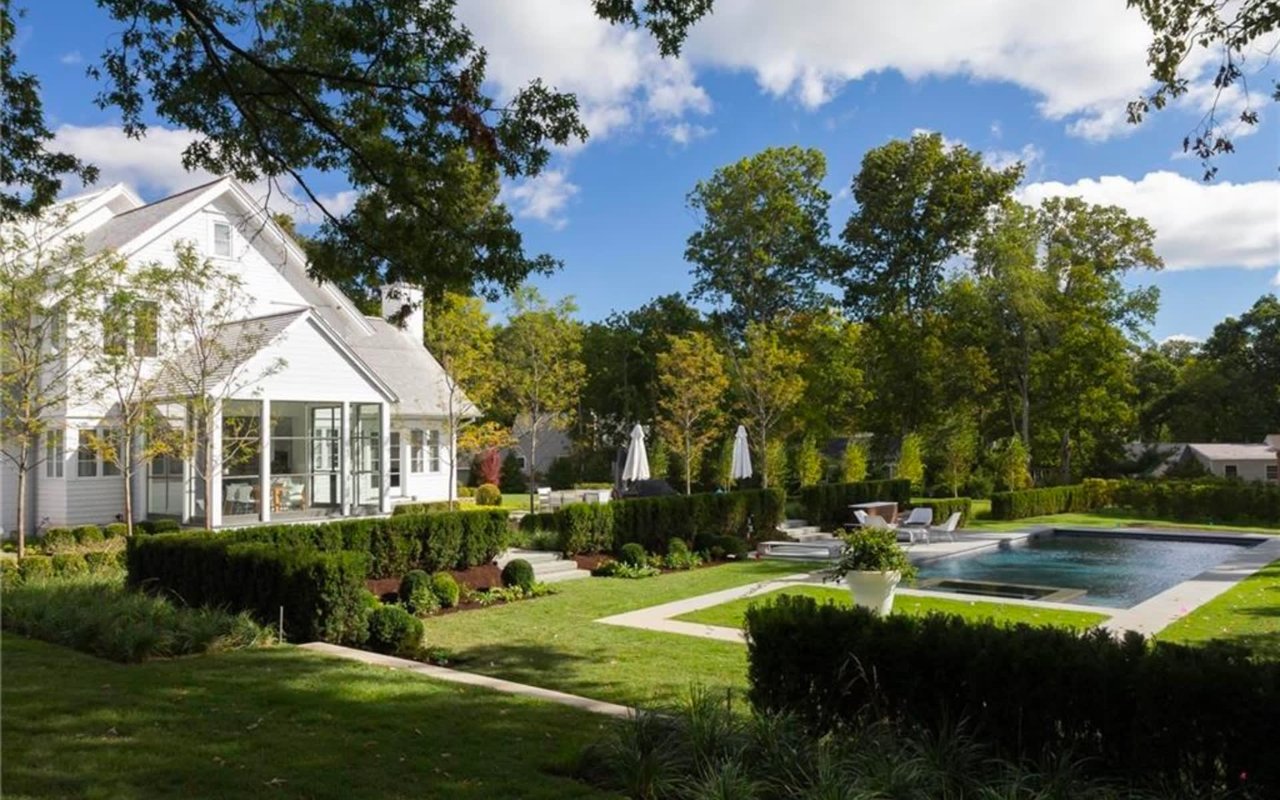
Search Fairfield, CT land for sale with Jillian Klaff.
Based on information submitted to the MLS GRID as of . All data is obtained from various sources and may not have been verified by the broker or MLS GRID. Supplied Open House Information is subject to change without notice. All information should be independently reviewed and verified for accuracy. Properties may or may not be listed by the office/agent presenting the information.
Fairfield, CT Housing Market Trends
The primary reason to buy vacant land specifically in Fairfield is the absolute, structural scarcity of undeveloped parcels, which guarantees your investment is backed by an exceptionally high economic price floor. Unlike expansive land markets across the country where developers can endlessly clear-cut and build new subdivisions, Fairfield is essentially "built out." The handful of raw acreage lots that become available—typically tucked away in the historic hills of Greenfield Hill or on the premier shores of Sasco Hill—are highly sought-after commodities. Because the local inventory is entirely finite, acquiring a piece of land here means you are capturing a protected, highly appreciating asset that is insulated from national housing volatility. Even compared to neighboring luxury towns like Westport or Greenwich where land acquisition routinely carries astronomical $2+ million entry points just for the dirt, Fairfield land provides a rare sweet spot: a highly prestigious address with an exclusive Gold Coast zip code, but with an entry-level land cost that leaves significantly more capital available to fund a truly custom, high-end build.
Buying vacant land in Fairfield allows you to completely bypass the steep "teardown premium" and unpredictable infrastructure costs that plague buyers in other historic coastal areas of the Northeast. In most premium Fairfield County towns, finding a clean plot of land is nearly impossible, forcing buyers to purchase a costly, outdated house just to demolish it, which instantly adds hundreds of thousands of dollars in hazardous material abatement, demolition permits, and site clearing to their budget. Securing a designated vacant lot in Fairfield means you do not pay for someone else’s old structure. Furthermore, the Town Plan and Zoning Commission has recently reformatted its local regulations, providing highly clear, modern guidelines for single-family residential zones (ranging from the expansive multi-acre AAA zones to the tighter Beach districts). Purchasing an unbuilt lot allows you to collaborate directly with local civil engineers to master-plan your setbacks, modern subsurface stormwater management systems, and utility connections from scratch, avoiding the costly surprises of retrofitting an antique property.
Fairfield is unique because its diverse topography allows a land buyer to curate completely different luxury lifestyles within a single, highly sophisticated municipal boundary—a geographic versatility that other towns in the state or country simply cannot match. If your dream is to design a modern architectural marvel with direct access to Long Island Sound, Fairfield’s coastal zones provide the perfect canvas to engineer elevated, pilings-based custom estates that meet the latest FEMA standards while maximizing panoramic water views. If you prefer rolling hills, old-growth forests, and equestrian trails, moving just a few miles inland to the Greenfield Hill neighborhood unlocks multi-acre parcels that feel like a tranquil Vermont countryside. By purchasing land here, you are choosing a town that supports both lifestyles seamlessly, ensuring that whatever custom estate you build will remain supported by top-tier town infrastructure, award-winning public schools, and two dedicated Metro-North commuter train stations that connect your private sanctuary to Manhattan in just over an hour.
Purchasing raw land or an undeveloped lot in Fairfield, Connecticut, requires a completely different analytical strategy than buying an existing home. Fairfield’s distinct landscape—stretching from the tidal waters of the Long Island Sound up to the rocky, equestrian hills of Greenfield Hill—means that every vacant parcel is bound by highly precise, hyper-local regulations. Failing to understand these rules can transform a premier lot into an unbuildable piece of tax liability.
The town Plan and Zoning Commission implemented a massive, comprehensive overhaul and reformatting of Fairfield’s structural Zoning Regulations. This means old zoning playbooks no longer apply. The modernized code completely reorganizes regulations by specific zoning districts (such as AAA, AA, A, B, and the sensitive Beach Districts) and features incredibly strict, updated visual guidelines for calculating setbacks, architectural envelopes, and site disturbances. Before closing on any parcel, you must secure an up-to-date A-2 land survey to confirm compliance with these reformatted codes. Assuming an older plot map or a standard boundary drawing from a few years ago is still valid can lead to an immediate denial of your building permits by Fairfield’s Zoning Enforcement officers.
Fairfield features an intricate natural web of vernal pools, historic stone streams, and inland marsh systems, particularly as you move north into the equestrian and estate-heavy parcels of Greenfield Hill. The Fairfield Conservation Department acts as the Inland Wetlands Agency and enforces an uncompromising 100-foot Upland Review Area (URA) around all designated wetland soils and watercourses. Unlike standard property setbacks, the URA is not a complete exclusion zone, but it mandates a highly rigorous, case-by-case evaluation. If you want to clear trees, grade land, install a driveway, or dig a foundation within this 100-foot buffer, you must clear either a Certificate of Wetlands Conformance (CWC) or a full Inland Wetlands Permit (IWP). Navigating this require months of engineering data and soil testing; violating these lines triggers immediate cease-and-desist orders alongside steep daily financial penalties.
Fairfield enforces an aggressive Drainage Certification Policy tied to the town's MS4 stormwater management infrastructure. When you develop a raw lot, you are fundamentally altering the soil's natural absorption by introducing "impervious surfaces" (the roof of your new home, asphalt or gravel driveways, pool patios, and walkways). Fairfield law dictates that your new custom build must demonstrate a zero net increase in stormwater runoff leaving your property lines during a peak storm event. To comply, your civil engineer must design complex, expensive subsurface galley infiltration systems (underground concrete or plastic dry wells) designed to capture 100% of the site's redirected rainwater. When buying land here, you must factor the extensive cost of these underground engineering networks directly into your site development budget.
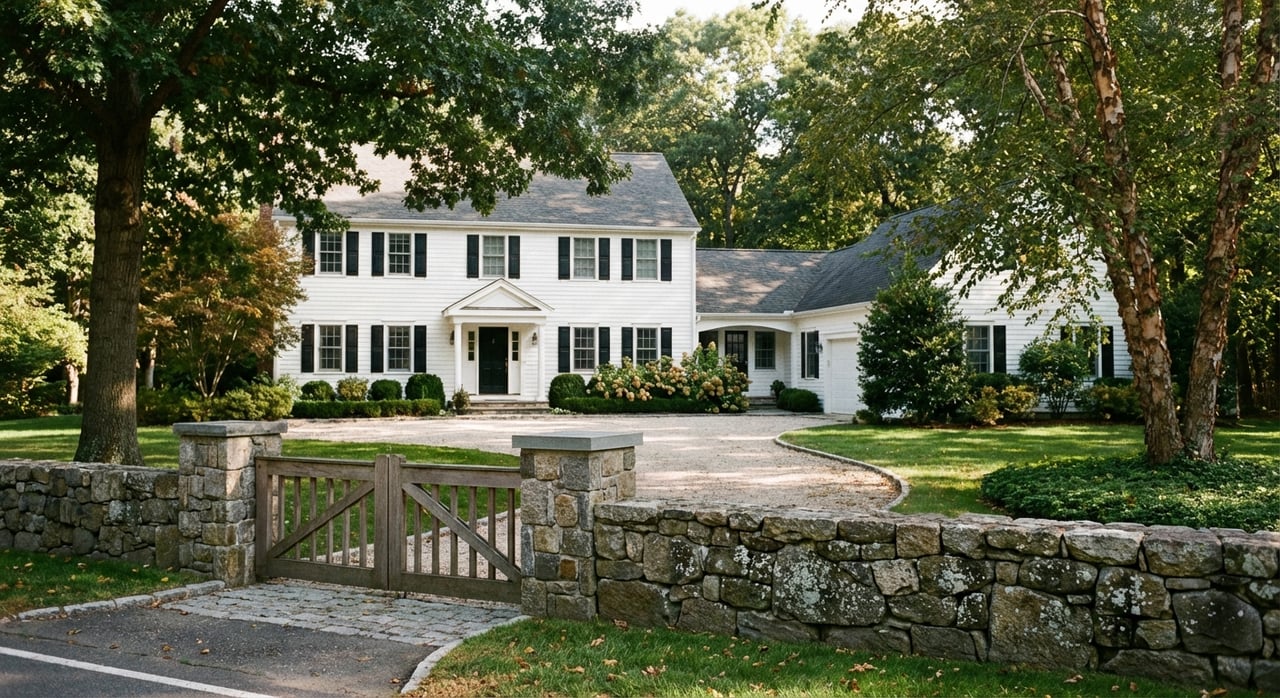
If the land you are evaluating sits along one of Fairfield’s historic or officially designated "Scenic Roads" (common in neighborhoods like Greenfield Hill or near the historic Mill Plain areas), you are buying a piece of local history that is heavily protected by municipal law. Under Fairfield town ordinances, the historic New England dry-laid stone walls that border these public rights-of-way cannot be dismantled, moved, or altered without a formal public hearing and explicit approval from the town. If your architectural plan requires cutting a wide, modern driveway entrance through a centuries-old stone wall or clearing old-growth canopy trees near the street edge to create a clear line of sight, you may face severe legal pushback from the town and local preservation boards.
While coastal and downtown Fairfield rely on municipal sewer lines, vast swaths of the town's single-family estate land depend entirely on private on-site wastewater disposal (septic systems). In Connecticut, you cannot simply build a mansion on any plot of land; the scale of your home is legally bottlenecked by the soil's absorption capacity. Before buying land in these unsewered zones, you must execute mandatory deep-hole soil testing and percolation ("perk") tests witnessed directly by a Fairfield Health Department official. If the water drains too slowly (due to dense Connecticut clay) or hits shallow bedrock too quickly, you may be restricted to a much smaller bedroom footprint than anticipated, or forced to construct an incredibly expensive, highly engineered raised "mound" septic system that alters your entire landscape aesthetic.
If the lot you are purchasing is located close to Long Island Sound—such as the highly competitive Southport or Fairfield Beach corridors—it falls entirely under the jurisdiction of the Connecticut Coastal Area Management (CAM) Act. Developing an open coastal lot means your site plan must undergo a rigorous municipal CAM review to prove the project will not impair coastal resources, block historic public vistas, or disrupt delicate intertidal flats. Furthermore, you must determine if the land sits in a FEMA AE Zone (rising floodwaters) or a VE Zone (high-velocity wave action). Building a custom home in a VE zone legally mandates that the structure be engineered on open break-away pilings or piers rather than a traditional foundation, fundamentally dictating your architectural options and dramatically impacting your long-term builder’s risk and flood insurance costs.
Finding the right lot is the first step toward building exactly what you want — and Fairfield has some exceptional options. Whether you're just starting to explore or you already have a vision in mind, Jillian Klaff can help you find the land that makes it possible. Reach out today and let's talk about what you're looking for.
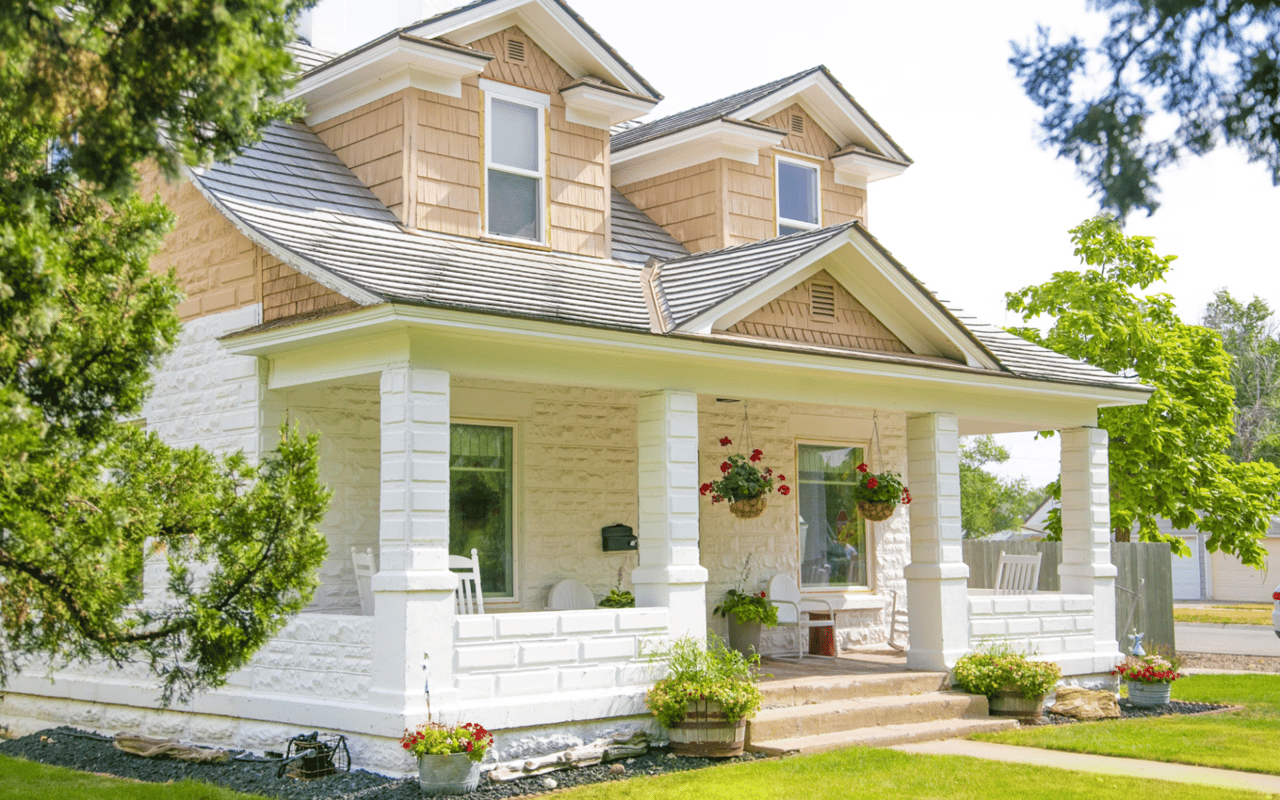
Fairfield, CT has a lot going on — from its shoreline parks and historic downtown to some of Connecticut's top-rated schools. Whether you're drawn to the walkable village feel of Southport or the energy of Black Rock, every corner of Fairfield has its own character. Before you start your search, it helps to know the neighborhood. Browse our Fairfield guide to get a closer look at the communities, lifestyle, and local market that make this town worth calling home.