What draws you to a place by the water? If your answer is a small harbor, classic New England homes, and a village you can stroll in an afternoon, Southport might be your perfect fit. You want history with convenience, beauty with practicality, and a community that still feels like a true village. In this guide, you’ll learn what it’s like to live in Southport, how the housing stock and historic rules work, what the commute looks like, and the key checks to make before you buy. Let’s dive in.
Southport at a glance
Set along Long Island Sound between the Mill River and Sasco Brook, Southport is a coastal village within the town of Fairfield, neighboring Westport to the west. It’s compact and centered on a working harbor with a small Main Street and Harbor Road district. The Southport census-designated place has a population in the 1,700 to 1,800 range, which helps explain the intimate, walkable feel of the core. You can confirm the village’s location and scale on the Southport page on Wikipedia.
Historic preservation shapes everyday life here. The village center is both a local historic district and a listed district on the National Register of Historic Places, added in 1971. That designation covers roughly 200 acres and helps maintain the area’s period character and cohesive streetscapes. For historical context and the district’s scope, see the Southport Historic District entry.
Historic character you can feel
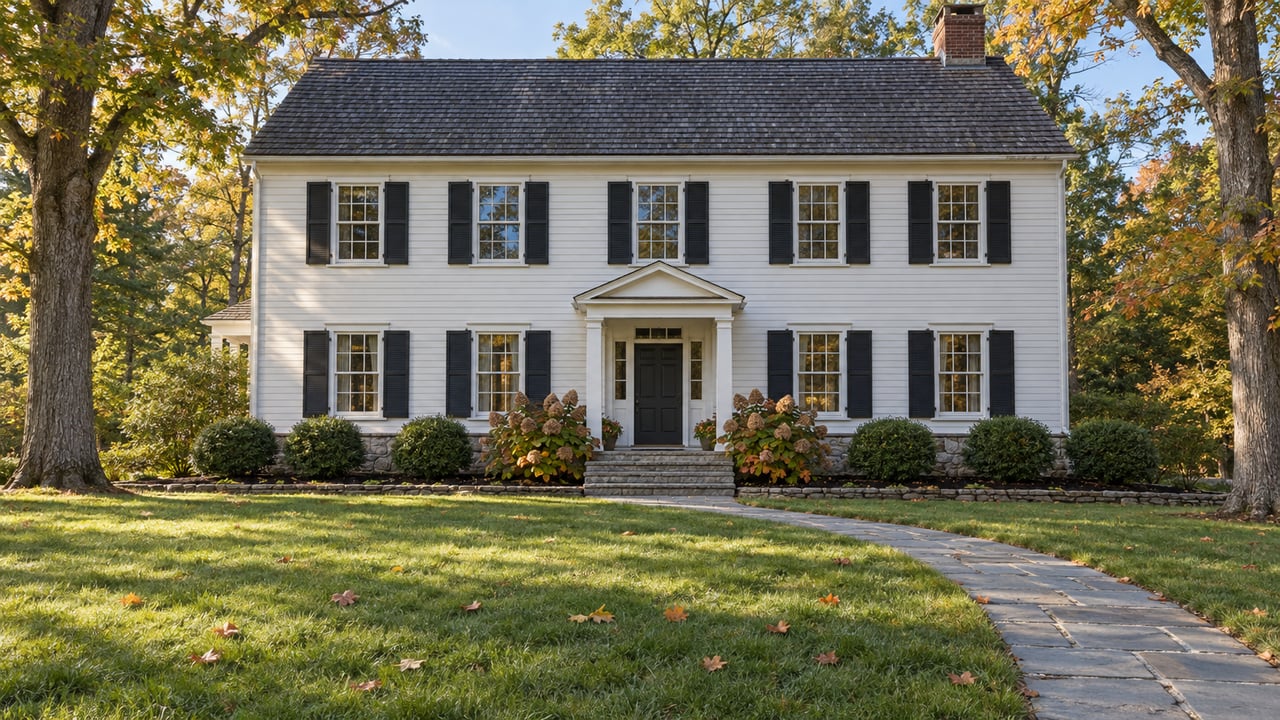
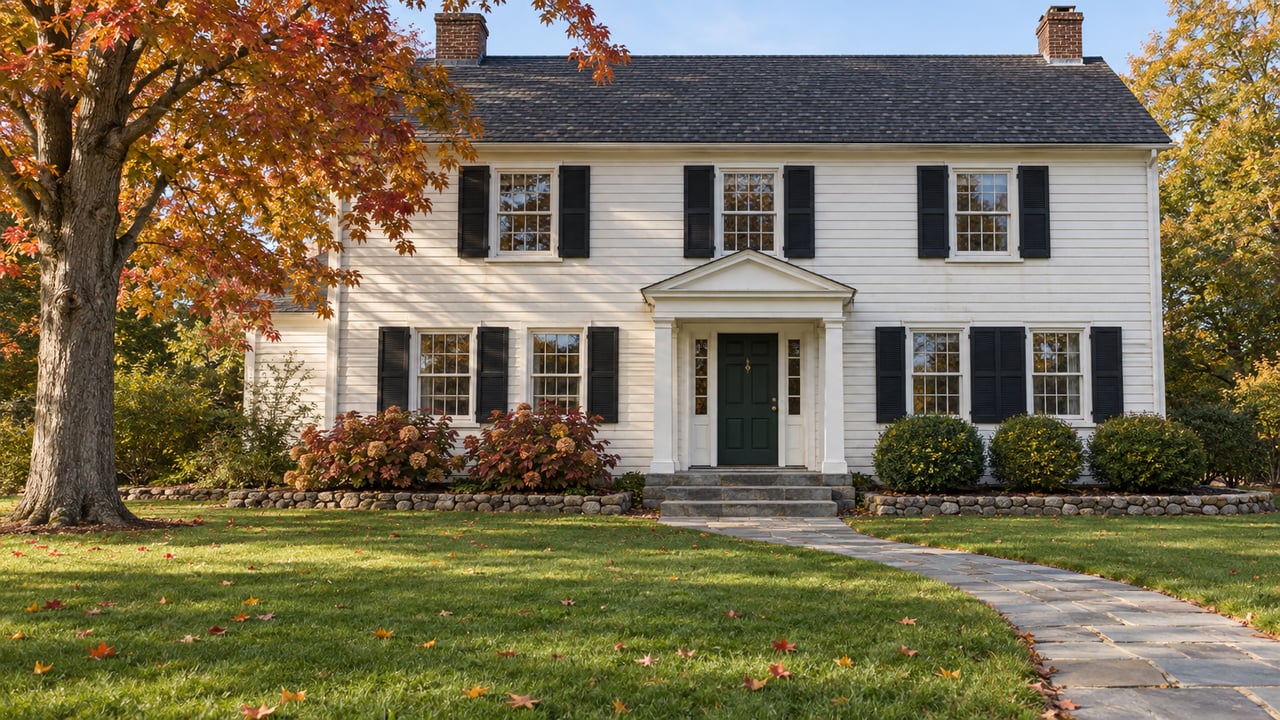
Walk Southport’s lanes and you’ll see a broad mix of 19th and early 20th century architecture. Buyers often notice refined Greek Revival and Federal-era homes, later Victorian influences, and Romanesque details in some institutional buildings. This variety reflects a long maritime past and a post-1779 rebuilding period after British raids, which is why most houses you see are post-Revolutionary. A succinct architectural overview is available on LivingPlaces.
Pequot Library: culture on the green
Set on a village green, the Pequot Library is a late-19th-century Romanesque landmark and a cultural anchor. You can expect year-round events, lectures, exhibitions, and children’s programs that make the village feel vibrant in every season. Explore its story and programs on the Pequot Library site.
Harbor rhythm and village strolls
Life revolves around the harbor. Summer brings sailboats, dinghies, and waterfront energy. Colder months feel quieter and scenic, with peaceful views along Harbor Road and the greens. If you enjoy walking, the Southport Conservancy’s self-guided notes highlight routes that connect the library, village greens, and water views.
Homes and neighborhoods: what to expect
You’ll find three common property types in and near the village core:
- Small historic cottages and village houses within walking distance of the harbor.
- Larger harborfront homes and estates along Harbor Road and nearby streets.
- A handful of townhouses or condos a bit farther from the water.
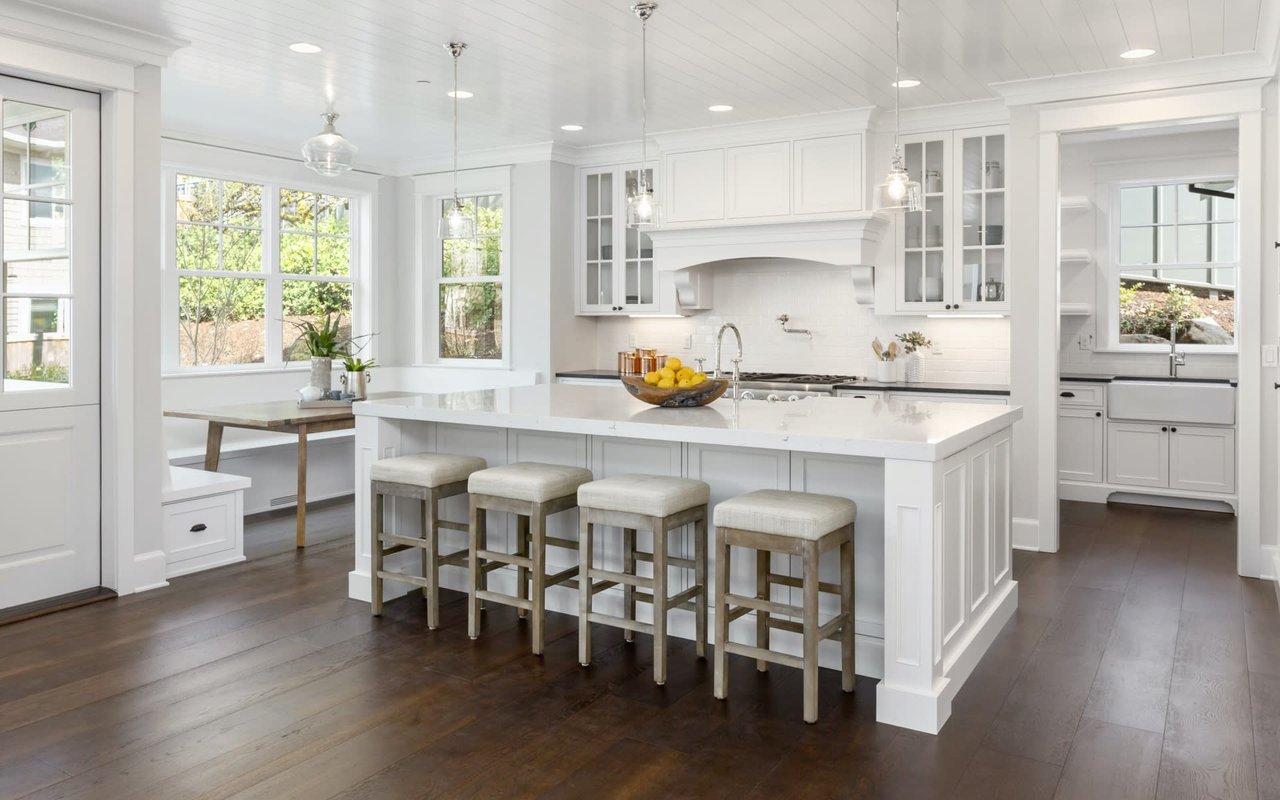
Many listings blend preserved exteriors with updated interiors. In the wider 06890 area, single-family properties often trade in the seven-figure range, with occasional smaller homes or condos below that mark. Prime harborfront and Pequot Avenue homes frequently command prices well above 1 to 2 million based on recent public listing snapshots. For the most current comps and property-specific guidance, a local market analysis will serve you better than any general rule of thumb.
Renovation and historic-district rules
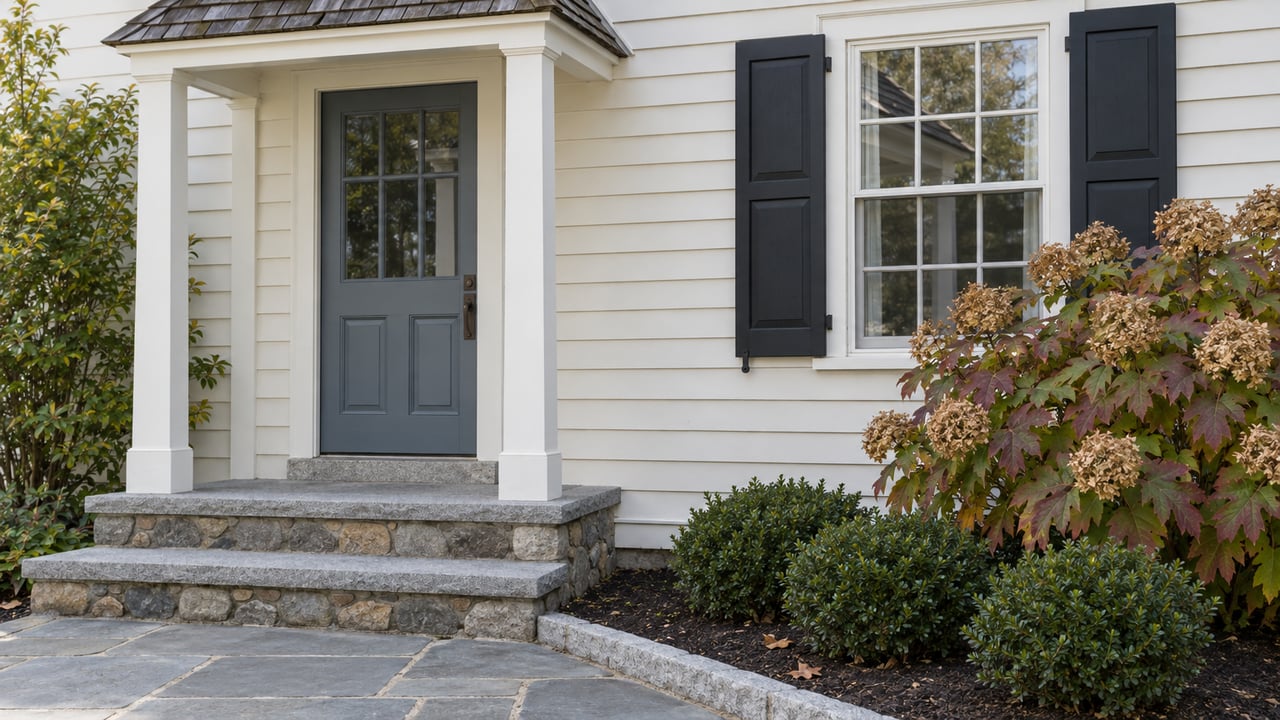
If you plan to renovate, be aware that exterior changes in the village core may require design review under local historic-district guidelines. That can influence materials, additions, and visible alterations. The Southport Historic District overview offers context for boundaries and character. Before you draw up plans, confirm permit steps and design expectations with town staff and your agent.
Coastal due diligence: flood and insurance
Proximity to the harbor and Long Island Sound is a major draw, but it comes with coastal considerations. Parcels near the water may sit in flood zones, which can affect building elevation requirements and insurance costs. Always pull your property’s flood designation and base-flood elevation on FEMA’s Flood Map Service Center during due diligence.
Getting around: rail and road
Southport has its own station on Metro-North’s New Haven Line, a practical perk for NYC or Westchester-bound commuters. Facilities are straightforward and service patterns vary by time of day, so check current details on the MTA’s Southport Station page. Typical one-seat runs to Grand Central often fall in the 75 to 95 minute range depending on whether you catch a local or a faster option. Recent timetable updates have added select quicker trips on the corridor, as reported by the Milford Mirror. For exact trains, use MTA’s TrainTime app before you go.
By car, Southport sits between Fairfield and Westport with access to I-95 and local arterials. Midtown Manhattan is roughly 50 to 55 miles away by road. Drive times vary widely with traffic, so plan weekday trips carefully if you commute by car.
Daily life by the water
Southport’s core retail and dining feel curated rather than crowded. You’ll see antiques, small galleries, and a few destination cafes or restaurants instead of big chains. Summer can feel social with waterfront foot traffic and outdoor tables. Off-season brings quiet streets, harbor views, and a slower pace that many buyers appreciate.
Community programming adds to the rhythm year-round. Alongside the library’s events, the Wakeman Boys & Girls Club’s Southport Clubhouse offers youth sports and activities that keep schedules lively across ages. Learn more about its mission and programs at Wakeman Boys & Girls Club.
Who loves Southport
If you want a walkable, historic village and easy access to Long Island Sound, Southport may feel tailor-made. It appeals to design-minded buyers who value period architecture, to commuters who want one-seat rail access to NYC, and to anyone who prefers a small-scale, coastal lifestyle over a busy downtown. You get the benefits of Fairfield’s larger town amenities nearby while living in a distinct, close-knit village setting.
Buyer checklist for Southport
Use this quick list to keep your search focused and your risk in check:
- Historic-district review: If your target home sits within the district, confirm design-review triggers for exterior work and visible additions. Start with the district overview and speak with town staff.
- Flood and elevation: Pull parcel-specific maps and base-flood elevations on FEMA’s Flood Map Service Center. Discuss insurance implications with your lender and agent.
- Commute planning: Verify train options on the MTA Southport page or TrainTime. Note that schedule changes can add or remove faster runs, as the Milford Mirror reported.
- Property type and scope: Decide if you want a historic home near the harbor, a larger estate setting, or a lower-maintenance condo farther inland. That choice drives budget and timelines.
- Renovation appetite: Factor in historic guidelines, coastal building standards, and contractor availability if you plan updates. Set realistic budgets and timelines before you bid.
- Current comps and taxes: Ask for a tailored market analysis and recent sale data in 06890 to anchor your offer strategy.
How we help you buy well in Southport
Choosing a home in a historic coastal village calls for equal parts lifestyle fit and financial clarity. With decades of local experience across Lower Fairfield County and a CPA-informed approach to pricing and negotiation, our team brings the rigor you need for high-stakes decisions. You can expect concierge-level coordination, sharp valuation work, and a vetted network of local partners to navigate inspections, flood and elevation checks, and historic-district considerations.
If Southport is on your shortlist, we’ll help you compare neighborhoods, evaluate commute trade-offs, and target properties with the most durable resale value. When the right home appears, we’ll structure a compelling offer and manage due diligence to the finish line. Ready for a personalized plan? Connect with Jillian Klaff to get started.
FAQs
What is Southport, CT and where is it located?
- Southport is a coastal village within Fairfield, set on Long Island Sound between the Mill River and Sasco Brook, bordering Westport. The CDP has roughly 1,700 to 1,800 residents and a compact, walkable core, as outlined on Wikipedia.
What kinds of homes will I find in Southport?
- You’ll see historic cottages and village houses near the harbor, larger waterfront estates along Harbor Road, and some townhomes or condos farther from the water. Many properties are renovated historic homes or high-end coastal rebuilds reflecting the village’s preserved character.
How long is the Southport-to-NYC commute by train?
- Southport has a Metro-North station on the New Haven Line with one-seat service to Grand Central. Typical runs often range around 75 to 95 minutes depending on the train. Check the MTA’s Southport page or TrainTime for exact schedules, and see the Milford Mirror’s coverage of recent faster trips.
Are there rules for renovating historic homes in Southport?
- Yes. The village core is a local and nationally listed historic district, and exterior changes may require design review. Review the Southport Historic District overview and confirm permit steps with the town before planning visible alterations.
Should I worry about flood zones when buying near the harbor?
- Many waterfront-adjacent parcels are in mapped flood zones, which can affect insurance and building requirements. Use FEMA’s Flood Map Service Center for parcel-level designations and discuss implications with your lender and agent.
What community and cultural resources stand out in Southport?
- The Pequot Library offers year-round programs in a distinctive Romanesque building on the green, and the Wakeman Boys & Girls Club’s Southport Clubhouse provides youth sports and activities. Learn more at Pequot Library and Wakeman Boys & Girls Club.