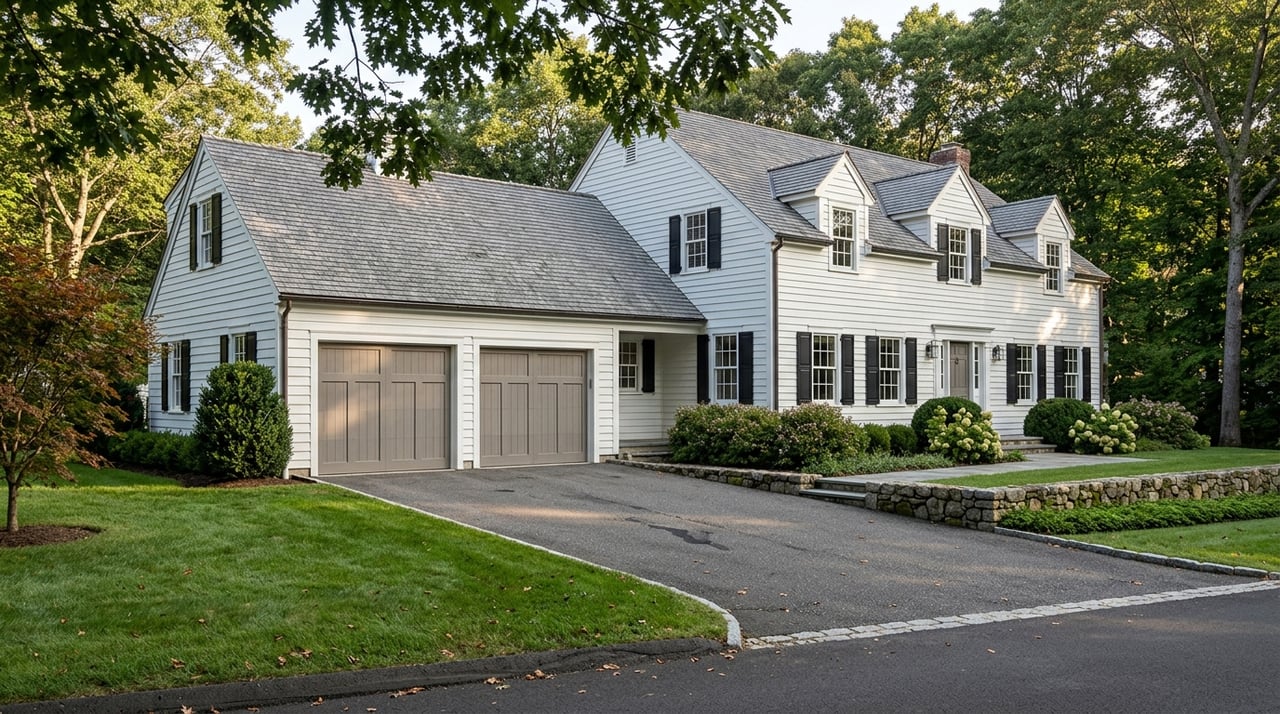
If you are deciding between Weston and Westport, you are really deciding how you want your daily life to feel. One town leans more toward land, privacy, and a quieter residential setting, while the other offers an easier commute and more convenience built into everyday routines. If you want to make a smart move without second-guessing the tradeoffs, this guide will help you compare both towns in a practical way. Let’s dive in.
Start With the Core Tradeoff
When buyers compare Weston and Westport, the biggest difference usually comes down to space versus commute. Both towns are largely single-family markets, but they offer that lifestyle in different ways.
Weston is more consistent if your goal is larger lots, fewer commercial areas, and a more private setting. Westport also offers single-family living, but with a broader range of locations that can include larger lots as well as homes closer to downtown, transit, and commerce.
Why Weston Appeals to Space-First Buyers
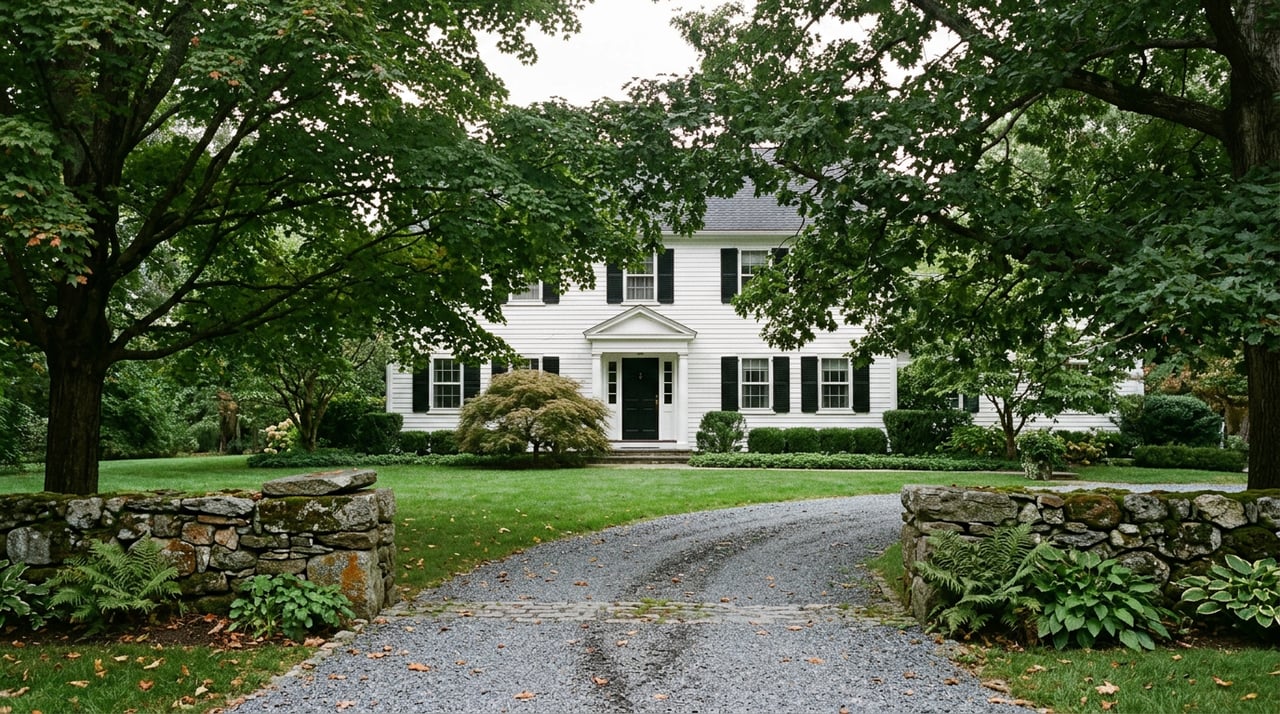
Weston describes itself as a residential community with two-acre property zoning and minimal commercial development. That creates a lower-density feel that many buyers notice right away.
If your version of home includes more breathing room, fewer nearby commercial nodes, and a setting that feels more rural, Weston often stands out. Its zoning pattern reinforces that large-lot, detached residential character.
Lot Size Consistency in Weston
One of Weston’s clearest advantages is consistency. If you are searching for acreage, privacy, and a more uniform residential environment, Weston gives you a stronger match across the town as a whole.
That matters because your day-to-day experience is shaped by more than your own property. It is also shaped by what surrounds it, including density, traffic patterns, and the amount of nearby commercial activity.
Why Westport Appeals to Flexibility
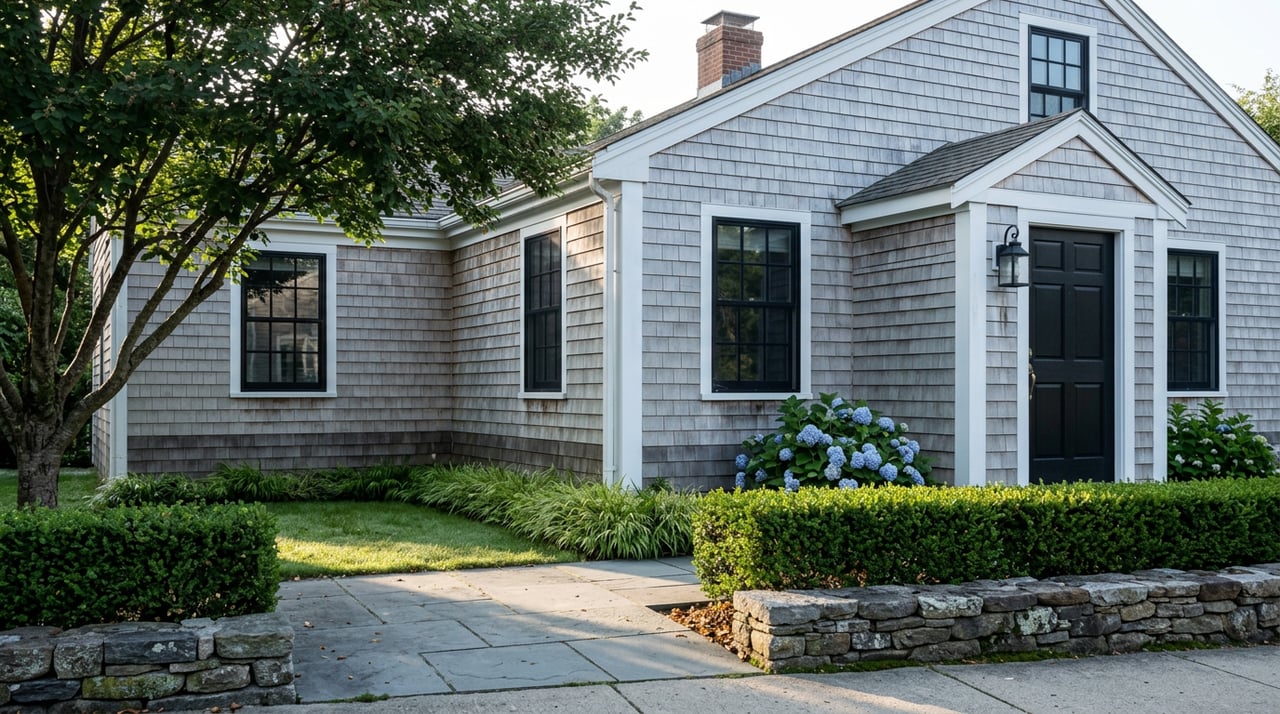
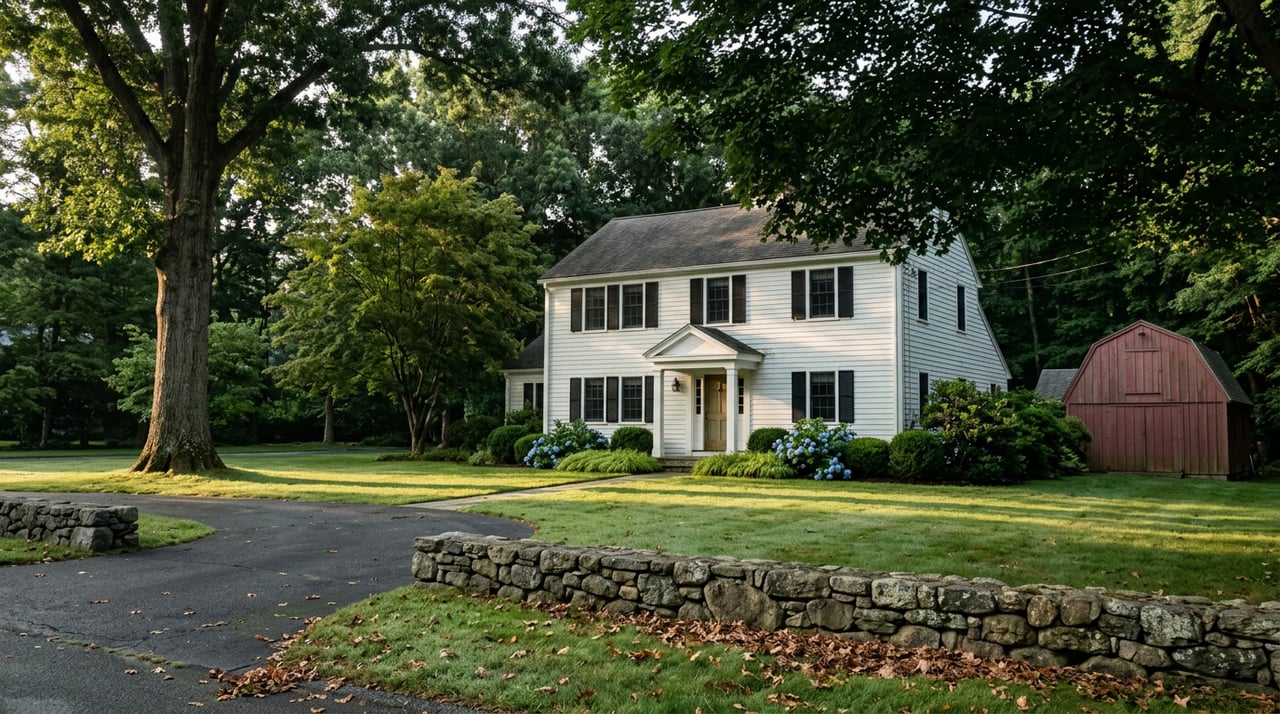
Westport also skews toward single-family homes, and the town describes its housing stock as primarily 1- and 2-acre lot properties. At the same time, Westport offers a wider mix of settings, including areas closer to downtown, transit, and commerce.
That flexibility can be a major benefit if you want choices. You may prefer a larger lot, or you may want a home that still feels residential but places you closer to restaurants, shops, parking, and train access.
More Ways to Define Space
In Westport, space does not always mean the same thing. For some buyers, it means land and privacy. For others, it means having a detached home while still being able to reach key destinations more easily.
That range gives Westport a more varied feel than Weston. If you want options rather than one dominant pattern, Westport may fit your search more closely.
Commute Matters More Than Many Buyers Expect
A home can look perfect on paper, but your weekday routine often reveals the better choice. If you commute regularly, transportation access deserves a close look early in your decision process.
This is where Westport has the clearer edge. The town says it has two Metro-North stations, a commuter shuttle to those stations, access to the Coastal Link bus, and door-to-door service. Westport also highlights access to I-95, U.S. 1, and the Merritt Parkway.
Westport for Rail and Road Access
If your schedule includes travel to New York City, Stamford, or other job centers, Westport offers a transportation pattern that supports that lifestyle. Rail access and major road connections are built into the town’s everyday function.
That does not mean every commute is easy, but it does mean the town is structured around commuter convenience in a way that many relocating buyers value. For busy professionals, that can reduce friction over time.
Weston’s More Car-Dependent Routine
Weston presents a different reality. The town’s transportation information says there is no bus service in Weston, and its Dial-A-Ride service is limited to seniors and disabled residents, primarily for local medical appointments.
In practical terms, Weston is much more car-dependent for commuting and errands. If you are comfortable driving as part of daily life, that may not be a drawback. If you want transit support, it is an important distinction.
Everyday Convenience Feels Different
Beyond the commute, think about what you want a normal Tuesday to look like. Running errands, picking up dinner, meeting someone for coffee, or handling small tasks can feel very different in these two towns.
Westport has the stronger town-center ecosystem. The town points to Main Street Downtown, Saugatuck Center, more than 70 restaurant options, and maintained downtown parking lots and on-street parking.
Westport’s Built-In Convenience
If you like having more services and dining options nearby, Westport offers a broader convenience base. You can often accomplish more of your weekly routine without leaving town.
That wider mix of retail, dining, and transportation services can be especially attractive if you have a full work schedule. It also appeals to buyers who want a more active town-center experience.
Weston’s Essentials-First Town Center
Weston’s town center is more compact and more utility-focused. The town describes it as the primary commercial destination and meet-up spot, with essentials such as a food market, bank, dry cleaner, post office, spirits shop, restaurant, and gas or service station.
Weston is also investing in sidewalks, crosswalks, and traffic improvements around town center. Even so, the convenience profile remains smaller than Westport’s, which is worth keeping in mind if daily accessibility is high on your list.
Which Town Fits Your Lifestyle?
A helpful way to decide is to picture not just your home, but your week. The better town is usually the one that matches how you want to move through daily life.
If you value privacy, larger-lot living, and a quieter setting more than commuter infrastructure, Weston may feel like the better long-term fit. If you want stronger transit support, easier access to major routes, and a fuller downtown experience, Westport may offer more day-to-day ease.
Choose Weston If You Want:
- More land and a lower-density feel
- A more private residential setting
- Minimal commercial development nearby
- A lifestyle where driving is a normal part of errands and commuting
Choose Westport If You Want:
- Easier rail-based commuting
- Access to major roads and transit support
- More convenience around shops, dining, and services
- Flexibility between larger lots and more in-town settings
A Practical Way to Decide
If you are still torn, start with two questions. First, ask yourself how often you need to commute and how much convenience matters during the workweek. Second, define what “space” really means to you.
If space means acreage, privacy, and a quieter residential environment, Weston usually has the stronger case. If space means having options, including homes with easier access to transit and town amenities, Westport often comes out ahead.
For many relocating executives, Westport is the lower-friction weekday choice. For buyers who prioritize acreage and a more secluded residential feel, Weston is often the better answer.
If you want help weighing these tradeoffs in the context of your budget, timing, and home search priorities, Jillian Klaff can help you compare Weston and Westport with a local, data-driven lens.
FAQs
Is Weston or Westport better for commuting to New York City?
- Westport is generally the easier choice for commuting because the town says it has two Metro-North stations, a commuter shuttle, and access to major roadways.
Does Weston have larger lots than Westport?
- Weston is typically the more consistent large-lot option because the town emphasizes two-acre property zoning, while Westport offers a mix that includes primarily 1- and 2-acre lot properties plus areas closer to downtown and transit.
Is Westport more convenient for errands and dining than Weston?
- Yes. Westport has a larger downtown and commercial ecosystem, including Main Street, Saugatuck Center, maintained parking, and more than 70 restaurant options.
Is Weston a good fit if you want a quieter residential setting?
- Yes. Weston describes itself as a residential community with minimal commercial development, which supports a quieter and more private feel.
What is the biggest difference between Weston and Westport for buyers?
- The biggest difference is usually the balance between space and commute. Weston tends to favor privacy and acreage, while Westport tends to favor transit access and everyday convenience.