You want great schools, a smooth weekday routine, and a home that fits your family now and later. If Wilton, CT is on your list, you’re likely weighing academic strength, commute time, and the day-to-day details that make life easier. In this guide, you’ll get a clear picture of Wilton’s school structure and performance, neighborhood patterns, commute tradeoffs, and what to watch in the market so you can buy with confidence. Let’s dive in.
Why school-focused families choose Wilton
District structure at a glance
Wilton Public Schools operates four schools across a simple grade progression: Miller-Driscoll (PreK–2), Cider Mill (3–5), Middlebrook (6–8), and Wilton High School (9–12). This setup is easy to understand and keeps students moving through a cohesive system. Always confirm a property’s address-specific school assignment, bus service details, and bell times directly with the district. You can find current information on the Wilton Public Schools site.
Performance and program strengths
Wilton is widely recognized as a high-performing district. The community takes pride in strong state assessment results, high Advanced Placement participation and pass rates, and statewide recognition in music education. Local coverage has highlighted Wilton High School’s placement on state “best high schools” lists, a useful data point for families benchmarking districts across Fairfield County. For an example of recent coverage, see Good Morning Wilton’s report on U.S. News rankings.
If you want context on school size and staffing, the NCES profile for Wilton High School shows a mid-to-large suburban high school with student-to-teacher ratios in the low teens. That balance often supports both academic rigor and program breadth.
Coursework, arts, and extracurriculars
AP coursework and high AP success rates are a signature of the district. Families also point to strong science results on state NGSS tests, active arts and music programs, and a broad menu of clubs and athletics. For the most current course catalogs and offerings by subject, check the district’s program pages as you compare homes.
Neighborhoods and housing fit for schools
Quick orientation to town areas
- Wilton Center: A walkable village core near the Wilton station with shops and services. Lots here tend to be smaller, and access to schools and errands is simple.
- Cannondale: A small historic village with its own Metro-North stop and a distinct, classic New England feel.
- Middlebrook Farms and the school corridor: Close to the Middlebrook and Wilton High campus, appealing if you want short school-day drives.
- South Wilton and Route 7 corridor: Convenient to major roads and business centers to the south.
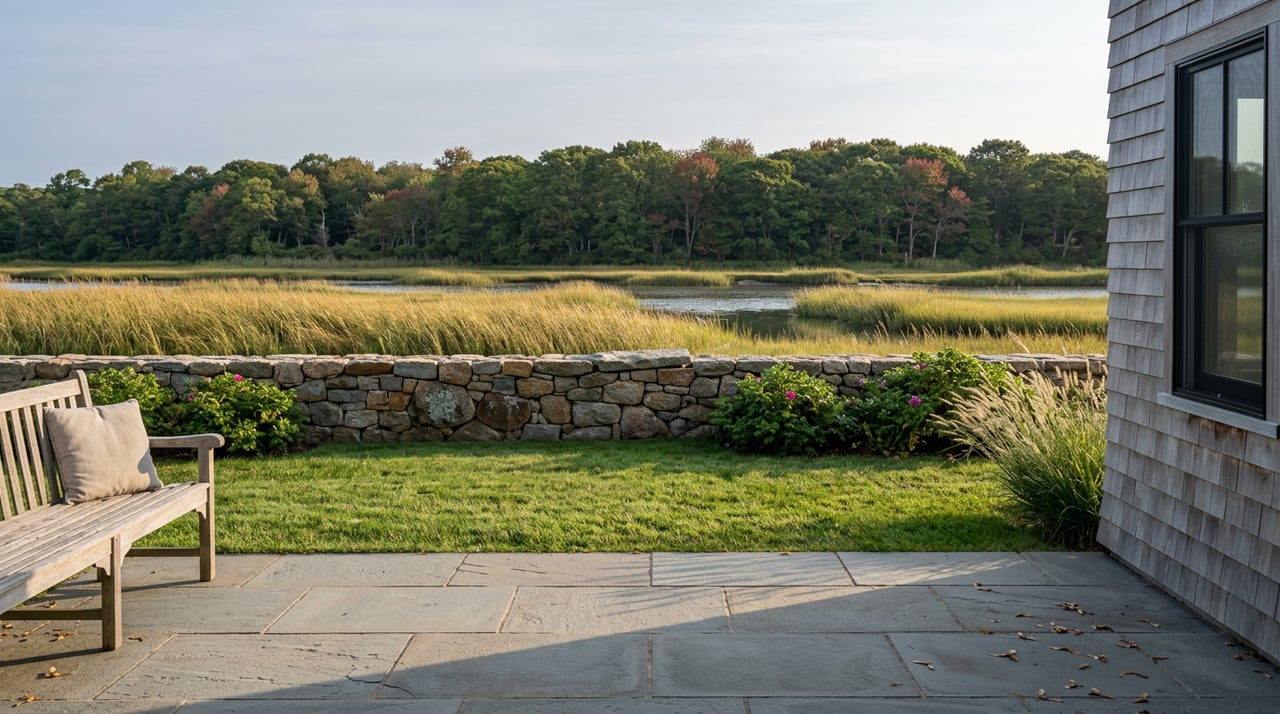
- North Wilton and Georgetown: Larger lots and a more rural setting; Georgetown has its own village character and crosses several town lines.
Each area has block-by-block nuance. As you tour, focus on your daily patterns: school runs, after-school activities, and how you will access rail or main roads during peak times.
Home styles, lot sizes, and tradeoffs
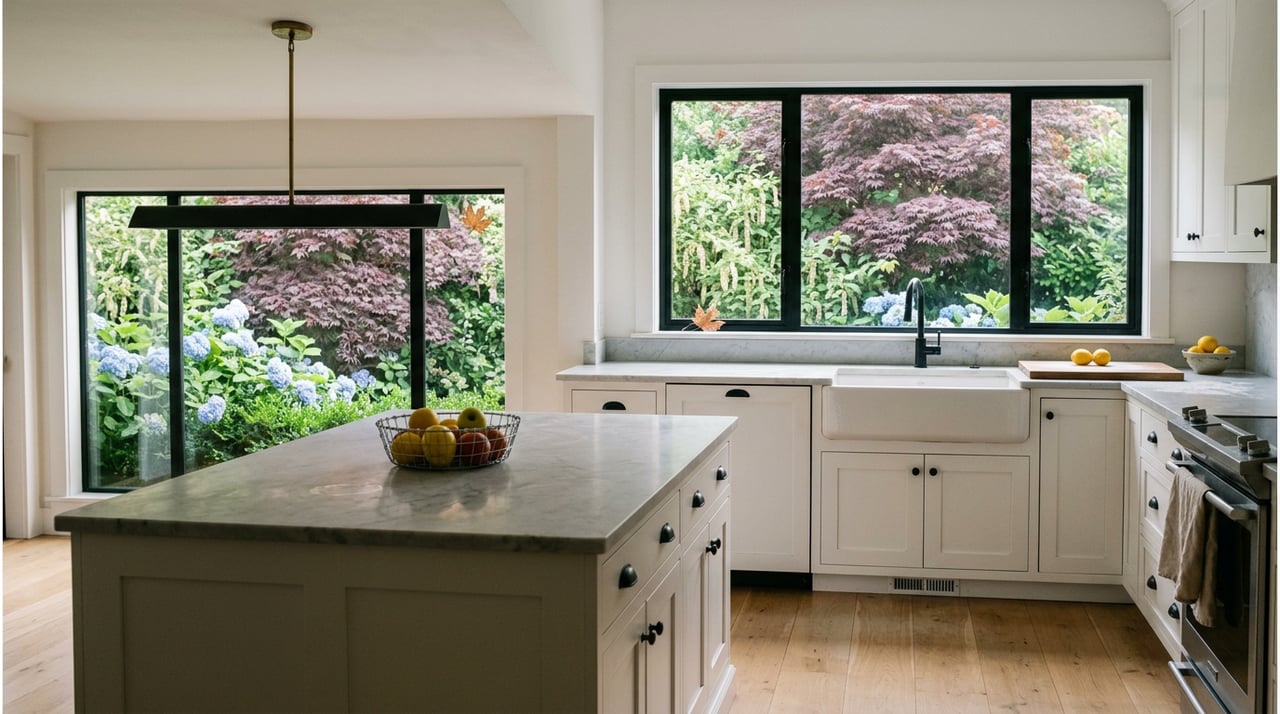
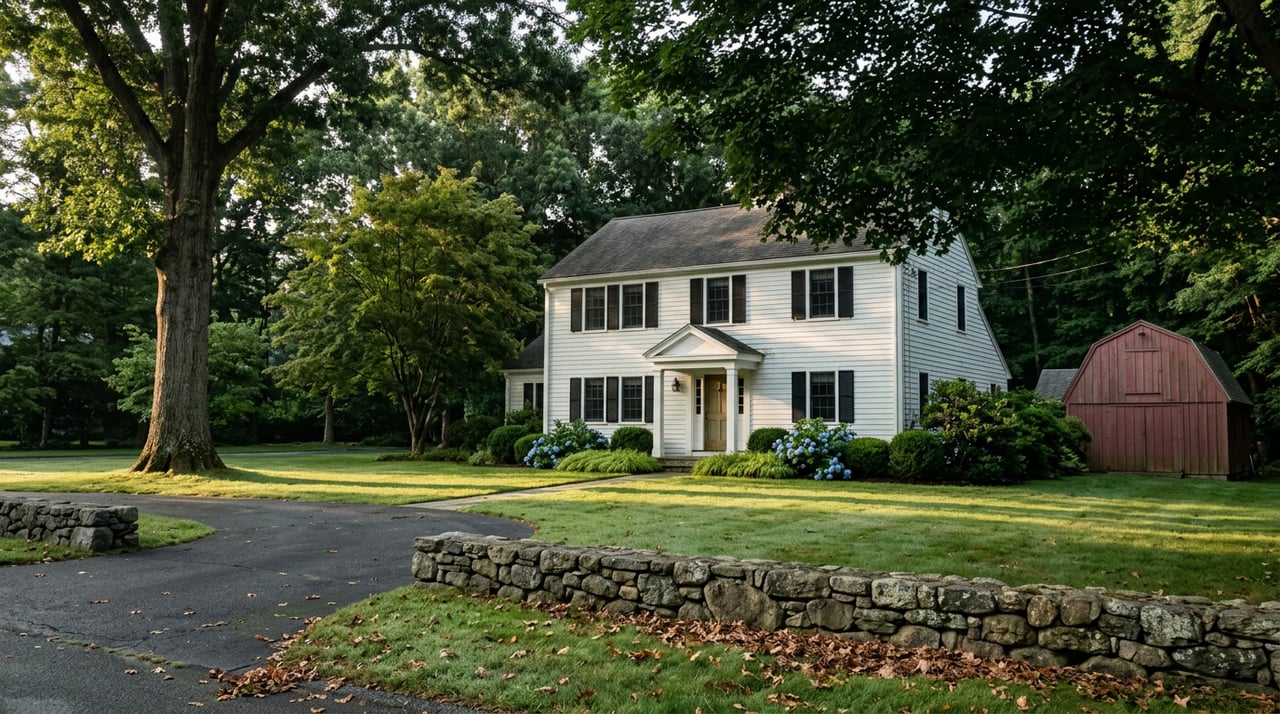
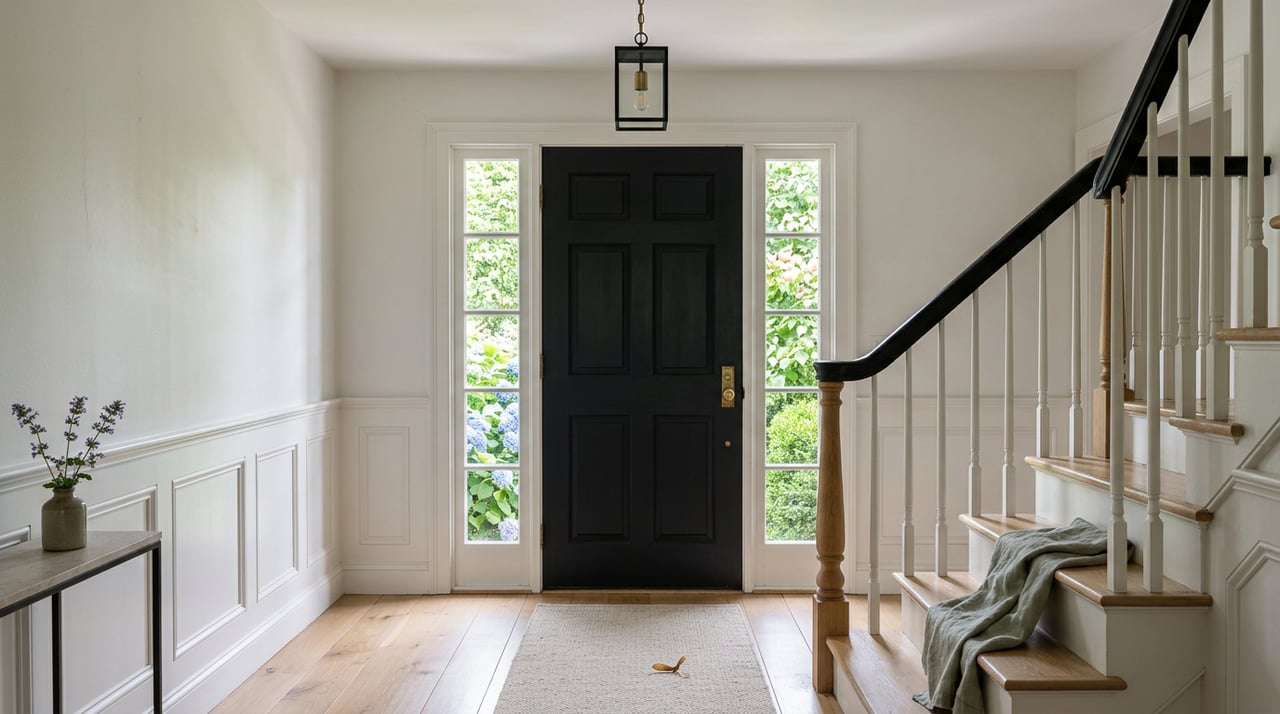
Wilton’s housing stock spans classic farmhouses and Colonials, mid-century Colonials and ranches, updated and expanded homes, and custom estates. Many properties sit on one acre or more, especially as you move away from the village. If you value walkability to school or rail, you may find smaller lots near Wilton Center or Cannondale appealing. If you want more privacy and yard space, look north or toward Georgetown.
Market snapshot and what drives price
Market portals and broker reports from 2024 through mid-2025 place Wilton’s typical sale and home value figures in the roughly 1.1 to 1.3 million dollar band, with wide variation by lot size, finished square footage, and proximity to schools or rail. Smaller or older 2–3 bedroom homes sometimes list below 800 thousand dollars. Many 3–4 bedroom homes fall into the 1.0 to 1.6 million dollar range, and larger renovated estates or new builds often exceed 2 to 3 million dollars. Inventory has been tight relative to demand, so the best-prepared buyers move quickly when the right home appears.
Homes within easy walking distance of the Middlebrook and Wilton High campus or the Wilton and Cannondale stations often command a convenience premium. The exact premium shifts with the market, so review recent sold comparables within a half-mile radius of your target school or station when you are serious about an address.
Commute and weekday logistics
NYC rail options and timing
Wilton and Cannondale sit on Metro-North’s Danbury Branch. The line has limited through-service to Grand Central. Most weekday riders transfer at South Norwalk to the New Haven Line for faster service into Manhattan. Door-to-door travel typically ranges from about 75 to 95 minutes depending on where you live in town, transfer timing, and first/last-mile logistics. Review the Metro-North line map and schedules as you plan test commutes.
Some families who need a shorter daily train time drive to express stations like Stamford or Westport. If that is your strategy, factor in station parking rules and predictable drive times during the AM and PM peaks.
Stations and parking basics
Wilton station and Cannondale station both offer town-managed commuter parking with permit systems. Policies, permit availability, and enforcement change, so always check current guidance with the Town of Wilton before you assume a space. For general station context, see the pages for Wilton station and Cannondale station.
Driving to Stamford and local commutes
Many residents who work in Stamford report a 20 to 35 minute drive depending on location in Wilton and live traffic conditions. If you expect to commute by car, map your prospective home to the Merritt Parkway or I-95 approaches and run sample routes at typical peak times before you finalize a choice.
School-day schedules and bus planning
Wilton’s grade configuration means students transition at grades 3 and 6, which can create staggered drop-off and pick-up windows for families with kids in multiple schools. Review bell times, bus routes, and after-care options on the district site so you can plan a realistic weekday routine.
Amenities that support family life
Parks, arts, and outdoor time
Weir Farm National Historical Park is a signature local amenity with artist studios, family-friendly programming, and a scenic trail network. It is a rare national park experience in a suburban setting and a favorite for weekend outings and school breaks. Learn more about the site’s programs and history from the National Park Service.
Beyond Weir Farm, Wilton’s town preserves and the Norwalk River Valley Trail offer hiking and biking options that fit well with after-school time and unstructured weekend play.
Community culture and school support
Wilton’s community shows strong engagement in school life, from active PTAs to visible support for arts and music. That sense of partnership between schools and families helps sustain a broad menu of enrichment activities and events. Check the district pages for current calendars and highlights.
Taxes and town services
Property taxes affect long-term ownership costs. Mill rates and assessments can change with budget cycles, so confirm current numbers with the Town Assessor’s office. The First Selectman’s office publishes regular updates that provide context on town finances and services. You can scan recent notes on the Town of Wilton site.
Private and alternative school options
Many Wilton families are satisfied with the public schools, but if you want optionality, several day schools sit within roughly 15 to 40 minutes by car. Examples include King School in Stamford and Greens Farms Academy in Westport. Tuition varies by grade and can reach into the tens of thousands per year. If private school may be part of your plan, review tuition and admissions timelines early. You can check current tuition information on King School’s admissions page and explore a profile of Greens Farms Academy on Niche.
Smart home search checklist
- Confirm the assigned schools for the exact street address and review bell times, bus routes, and after-care on the Wilton Public Schools site.
- Map your daily routine: test the morning drive to school and the evening return at typical times. Include pick-up windows for multiple schools if needed.
- Run two NYC test commutes: one from Wilton or Cannondale via transfer at South Norwalk, and one from an express hub like Stamford. Use the MTA line map to compare.
- Check town-managed station parking rules and waitlists before you rely on a specific station.
- Review recent sold comparables within a half mile of your target school or station to understand location premiums.
- Evaluate lot size and outdoor space. If you want play areas at home, larger lots in North Wilton or Georgetown may fit better than village lots.
- Walk to parks and trailheads you plan to use on weeknights. Proximity often decides how often you actually go.
- If private school is a possibility, factor tuition, admissions timing, and drop-off logistics into your budget and calendar.
- Confirm current property taxes with the Town Assessor and understand how mill rate changes could affect long-term affordability.
How we help school-focused buyers
You want a home that supports your family’s goals today and your financial plan for the future. That calls for local knowledge, clear analysis, and strong representation. With decades of experience across Lower Fairfield County and a CPA-informed approach, our team pairs market intelligence with hands-on service to help you compare neighborhoods, quantify commute and location premiums, and move decisively when the right home appears.
If you’re considering a move to Wilton, let’s talk about your wish list, timelines, and budget. We will tailor previews, run commute simulations, review comps around your target schools, and coordinate the professionals you need for a smooth purchase.
Ready to get started? Connect with Jillian Klaff for a personalized consultation and a focused plan that fits your family.
FAQs
How does Wilton school assignment work for a specific address?
- The district assigns schools by street address; confirm your property’s assignment, transportation details, and bell times with Wilton Public Schools before you make an offer.
What is a typical home price range for families in Wilton?
- Market snapshots from 2024 to mid-2025 place many sales around 1.1 to 1.3 million dollars, with smaller homes sometimes under 800 thousand and larger estates often above 2 to 3 million.
How long is the commute from Wilton to Grand Central by train?
- Most riders transfer at South Norwalk, making the total trip commonly 75 to 95 minutes depending on schedules and first/last-mile time; review the MTA line map and schedules.
Which Wilton areas are closest to schools and rail?
- Wilton Center is closest to the Wilton station and town services, Cannondale has its own station, and the Middlebrook and Wilton High corridor clusters the schools, which can shorten daily drives.
Is station parking available at Wilton or Cannondale?
- Both stations have town-managed parking with permits; availability and rules change, so check current permit details with the Town of Wilton and review general context for Wilton station and Cannondale station.
What private school options do Wilton families consider nearby?
- Popular choices include King School in Stamford and Greens Farms Academy in Westport; review King School tuition and the Greens Farms Academy profile and factor commute and admissions timelines into your planning.