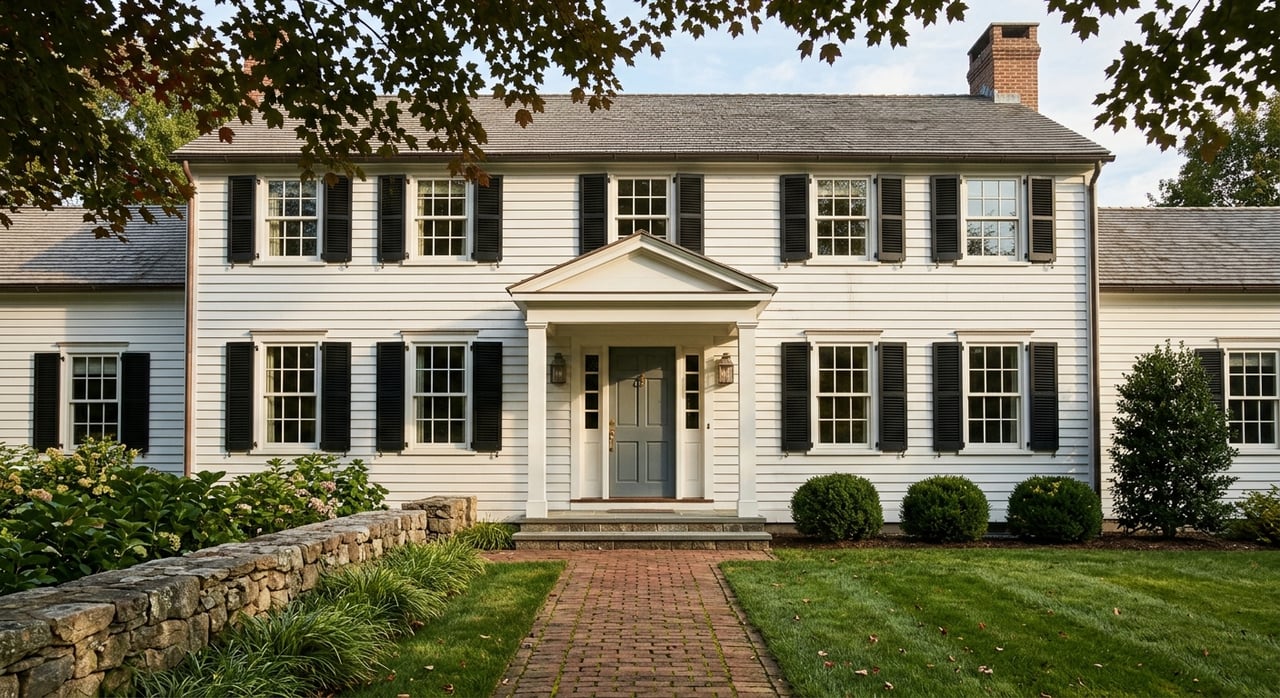
If you are drawn to Westport, you are probably not just choosing a town. You are choosing a daily rhythm. Some buyers picture beach mornings and shoreline views, others want coffee, errands, and train access within easy reach, and some want more land, privacy, and a quieter residential setting. This guide will help you compare Westport’s three main lifestyle patterns so you can decide which one fits the way you actually want to live. Let’s dive in.
Westport offers three lifestyles
Westport is not a one-note market. The town’s planning framework reflects that, with distinct attention paid to coastal areas, strong centers, residential development, open space, and transportation options. In practical terms, that means buyers often compare three broad ways of living in town: beach and shoreline, downtown and Saugatuck, or inland larger-lot areas.
Westport is located on Long Island Sound in Fairfield County, about 40 miles from New York City. The town describes itself as a live, work, play community with access to Interstate 95, U.S. 1, the Merritt Parkway, commuter transit, and a shoreline-based identity. For many relocating buyers, that mix is exactly what makes Westport worth a closer look.
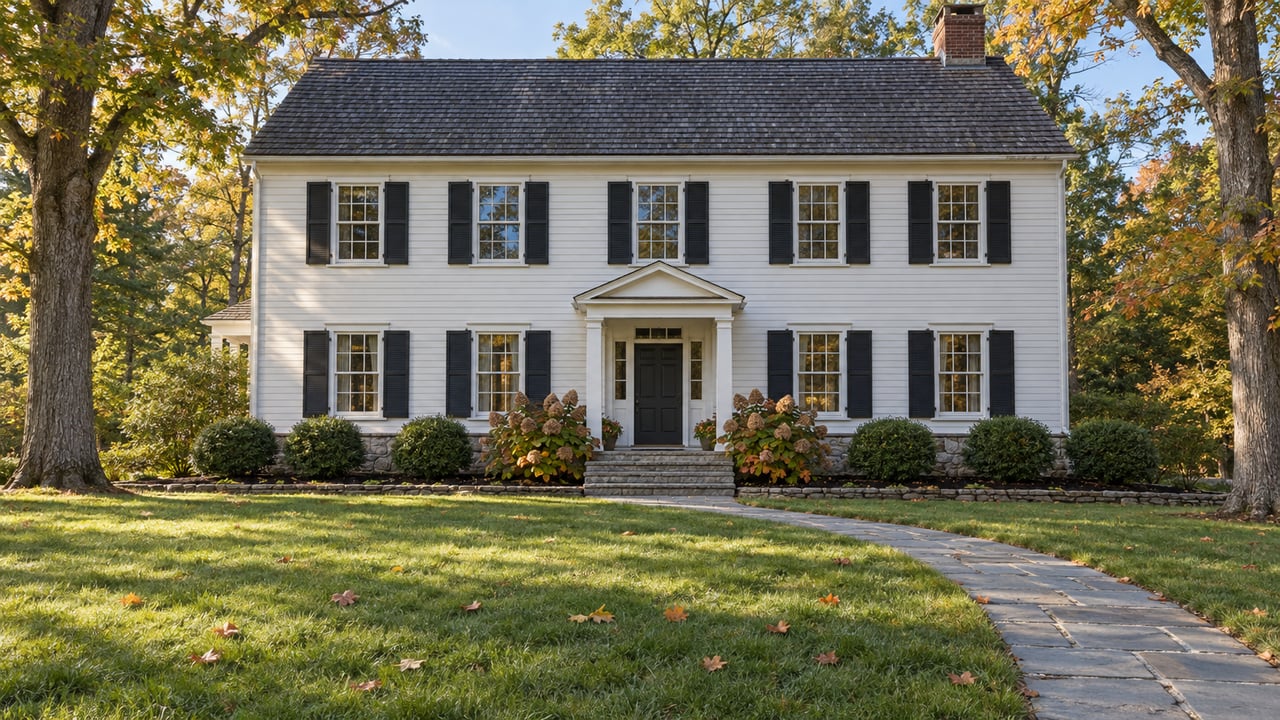
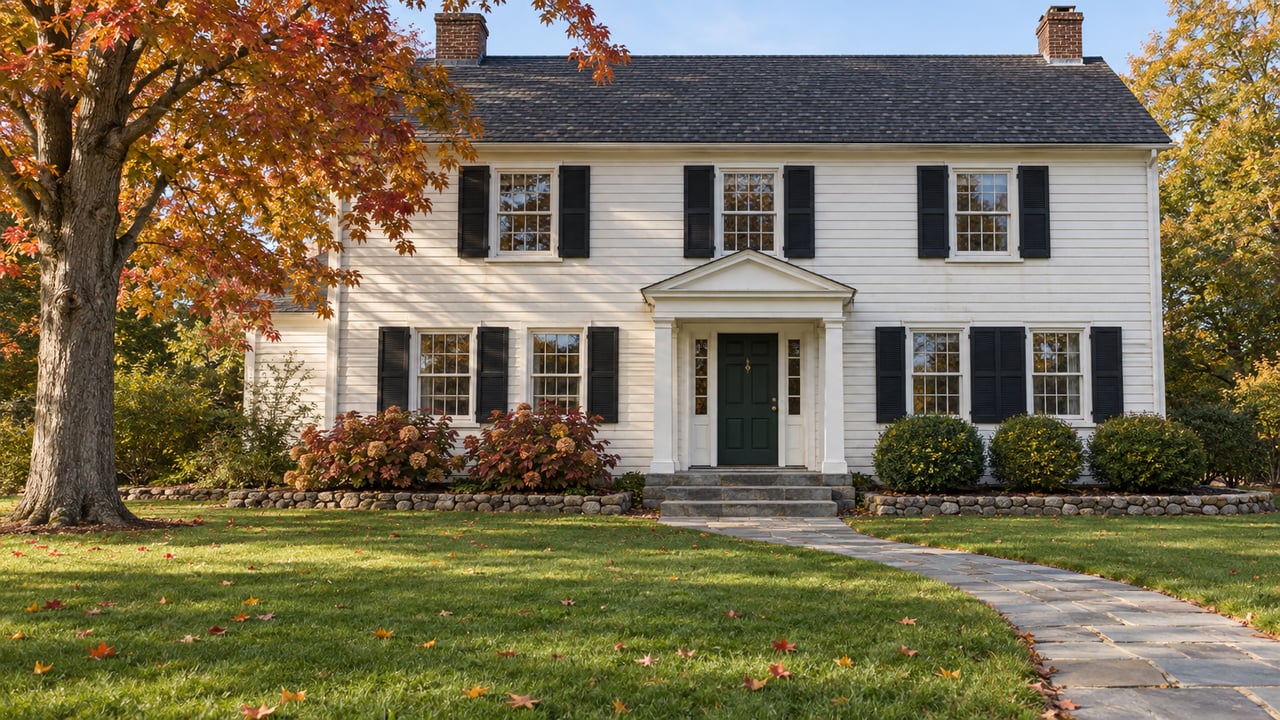
The town also remains largely a single-family home community. Some homes are close to the center with walkability to shopping and dining, while others sit on 1- and 2-acre lots or similar settings that feel more private and removed. That range gives you real choice, but it also means your best fit depends on lifestyle, not just square footage.
Beach and shoreline living
If you want Westport to feel like a true coastal town, the shoreline areas are often the first places to consider. Westport says there is a significant volume of beachfront property near Compo Beach and Saugatuck Shores, along with riverfront properties and historic homes. That makes beach living here broader than one address or one stretch of sand.
Compo Beach is the town’s most full-service beach setting. It is a 29-acre park on Long Island Sound with a sand beach, boardwalk, pavilion, concession stand, volleyball courts, playscape, restrooms, lockers, and an adjacent marina. If your ideal routine includes beach walks, water views, and easy access to shoreline recreation, this part of Westport may feel especially compelling.
That said, shoreline living comes with practical considerations. Summer parking at Compo Beach is managed through beach emblems or daily fees, and daily passes are limited to 125 vehicles per day. The town also notes that beach access can close when parking is full or when public safety requires it.
Westport’s beach policies also shape the seasonal experience. Lifeguard service is provided at Compo and Burying Hill from Memorial Day through Labor Day, and swimming is limited to designated areas. For some buyers, those details simply become part of the rhythm of living near the water.
If you prefer something smaller and quieter, Old Mill Beach offers a very different kind of shoreline setting. It is a 1.8-acre beach park with limited parking, no restroom or changing facilities, and no lifeguards on duty. That contrast is helpful because it shows how varied “beach living” can be within Westport itself.
Who beach living fits best
Shoreline areas often suit buyers who want:
- A stronger connection to the water
- Beach access and marina-adjacent recreation
- A seasonal coastal atmosphere
- Waterfront or near-water property options
- A lifestyle shaped by summer use patterns and beach rules
What to review near the water
If you are considering shoreline or riverfront property, flood due diligence should be part of the normal process. Westport maintains floodplain and flood-protection resources, along with flood-map information and insurance references. Near the water, that review is standard and important, not an unusual extra step.
Downtown and Saugatuck convenience
If your ideal day involves walkability, errands, dining, and rail access, downtown Westport and Saugatuck may be your strongest match. Westport Center has an official Village District Overlay Zone designed to protect the area’s character while encouraging a mixed-use, walkable district. That helps explain why this part of town feels distinctly different from shoreline or inland areas.
The town says retail and fitness uses are concentrated in downtown Westport and along Post Road East and West. It also notes that downtown Saugatuck, next to the railroad station, includes stores and restaurants in a historic transportation and commerce setting with revitalized retail and dining destinations. If convenience is a top priority, this part of town often delivers it in a very practical way.
Downtown Westport also has civic anchors that shape everyday life. The town highlights the Westport Library as a community resource with programs and events, and it notes that public parking lots are available around town. For many buyers, that translates to a routine built around short trips and easy access rather than longer drives.
For commuters, station access is a major advantage in this lifestyle category. Westport’s transit district says Wheels2U offers on-demand, door-to-door service between Westport homes or offices and the Saugatuck and Greens Farms train stations. The town also notes that Saugatuck is the local name for the official Westport Metro-North station.
Westport and Green’s Farms are both on the Metro-North New Haven Line. The Westport station is fully accessible, while Green’s Farms is ramp-accessible but does not have an accessible path between the platforms. If train access will shape your weekly schedule, those details matter.
Who downtown living fits best
Downtown and Saugatuck often appeal to buyers who want:
- A more walkable daily routine
- Easy access to shops, restaurants, and services
- Proximity to library programs and community activity
- Faster access to Metro-North stations
- Less emphasis on larger lots and more emphasis on convenience
Inland and estate-style areas
If you picture Westport as more private, leafy, and residential, the inland larger-lot areas may be the right fit. Westport describes itself as largely a single-family home community, with some homes on two acres and many 1- and 2-acre lot properties. This is the part of the market that often appeals to buyers who want space to spread out.
For this conversation, “estate-style” does not mean one formal estate district. It is better understood as the larger-lot, more private end of Westport’s housing spectrum. In real life, that usually means more yard space, more separation from the commercial core, and a more car-dependent routine.
The town’s long-range planning supports this balance. Westport is intentionally shaped around strong centers, coastal management, residential development, open space, and transportation improvements. That is why you can find both walkable center-town options and more secluded inland properties within the same town.
For many buyers, this category is less about being close to one destination and more about the feel of home itself. If privacy, land, and a quieter pace are high on your list, this side of Westport may align best with your priorities.
Who inland living fits best
Inland larger-lot areas often suit buyers who want:
- More land and outdoor space
- Greater privacy from the commercial core
- A quieter residential pace
- A single-family setting with more separation between homes
- Flexibility to prioritize home and lot over walkability
How to choose your Westport fit
The best choice usually comes down to your routine, not just your wish list. If you want summer access, shoreline recreation, and a coastal atmosphere, the beach areas may feel most natural. If you are train-first and convenience matters every day, downtown or Saugatuck may be the better match.
If privacy and lot size matter more than being near shops or the shoreline, inland Westport may be where you feel most at home. This is especially true for buyers who want a more residential setting and are comfortable relying more on a car. In a town with several strong lifestyle options, clarity about your day-to-day needs can make the search far more efficient.
It can also help to think in terms of tradeoffs. A shoreline setting may offer a unique coastal experience, but it also comes with seasonal rules and flood review. A downtown location may simplify commuting and errands, but it usually offers less land than inland areas.
Westport has the range to support very different priorities, which is one reason buyers continue to look closely at it. The key is matching the property to the life you want to live once the move is complete. If you want help comparing Westport neighborhoods through both a lifestyle and value lens, Jillian Klaff can help you narrow the options with clear, local guidance.
FAQs
Which part of Westport is most walkable?
- Downtown Westport and the Saugatuck area are generally the most walkable because the town formally promotes Westport Center as a mixed-use walkable district and places key retail and dining concentrations in downtown and near the station area.
Which part of Westport feels most like a beach town?
- The Compo Beach area and nearby shoreline pockets often feel most connected to Westport’s beach-town identity, especially because the town identifies significant beachfront property near Compo Beach and Saugatuck Shores and Compo offers the most complete beach amenities.
Which part of Westport offers the most privacy and land?
- Westport’s inland larger-lot areas usually offer the most privacy and land, since the town describes parts of its housing stock as 1- and 2-acre lot properties, with some homes on two acres.
How should Westport commuters think about station access?
- Commuters should focus on the Saugatuck and Greens Farms station areas, since those are the key local Metro-North nodes and the town’s Wheels2U service is designed to connect Westport homes and offices to those stations.
What should buyers review before buying near the water in Westport?
- Buyers considering shoreline or riverfront homes should review floodplain and flood-protection information early, because Westport maintains dedicated flood resources and flood due diligence is a normal part of buying near the water.