61,737 people live in Fairfield, where the median age is 40.4 and the average individual income is $71,996. Data provided by the U.S. Census Bureau.
Total Population
Median Age
Population Density Population Density This is the number of people per square mile in a neighborhood.
Average individual Income
Fairfield sits on Long Island Sound about 55 miles from Manhattan, and that geography explains most of what makes the town work. Five miles of public shoreline give residents beach access that towns just inland can't match, while two Metro-North stations put Grand Central roughly 75 minutes away. The result is a community that functions as a genuine year-round town rather than a commuter dormitory — one with a walkable downtown, more than 1,100 acres of protected open space, and two universities (Fairfield University and Sacred Heart) that keep the cultural calendar unusually full for a town of this size.
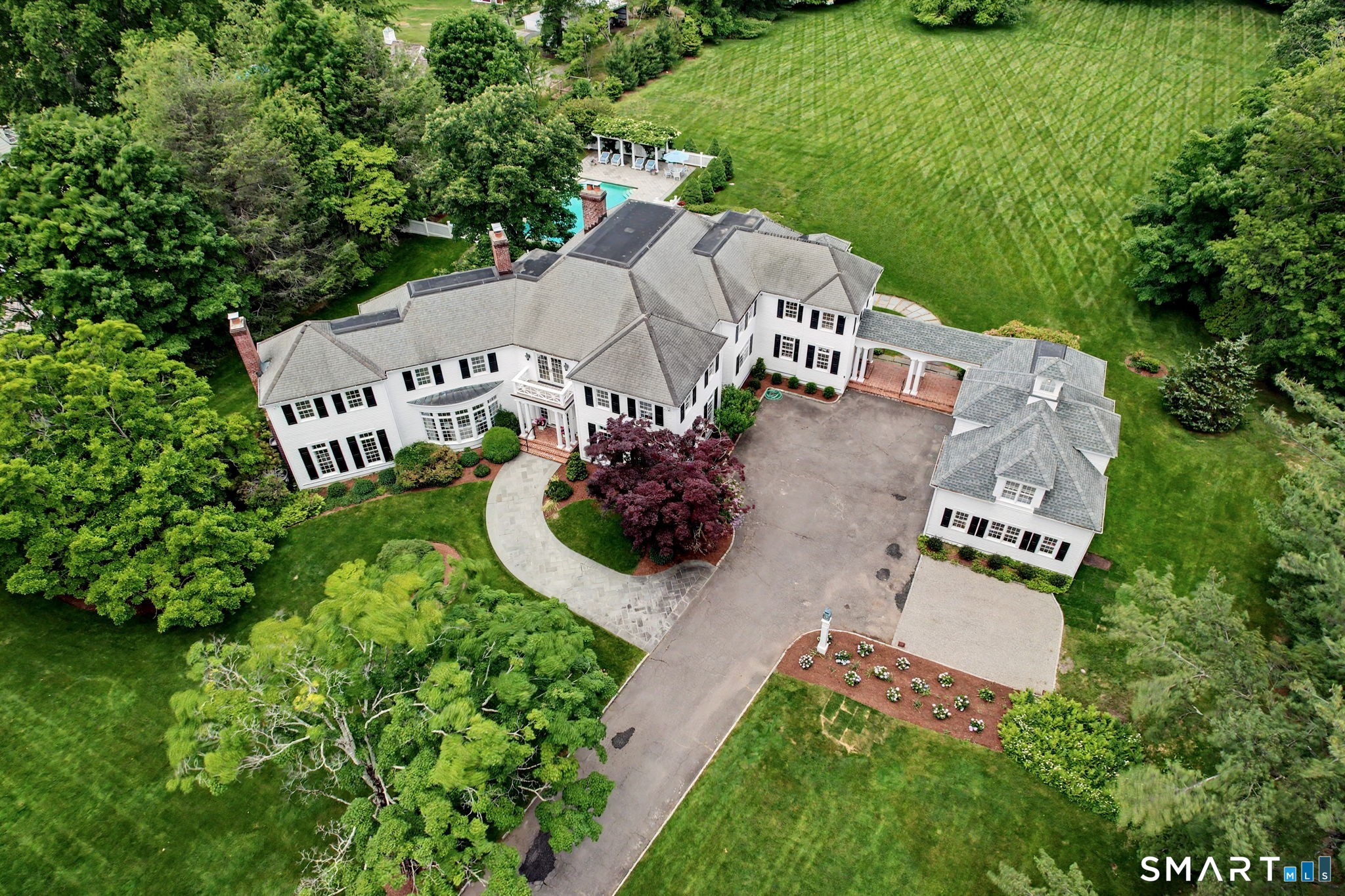
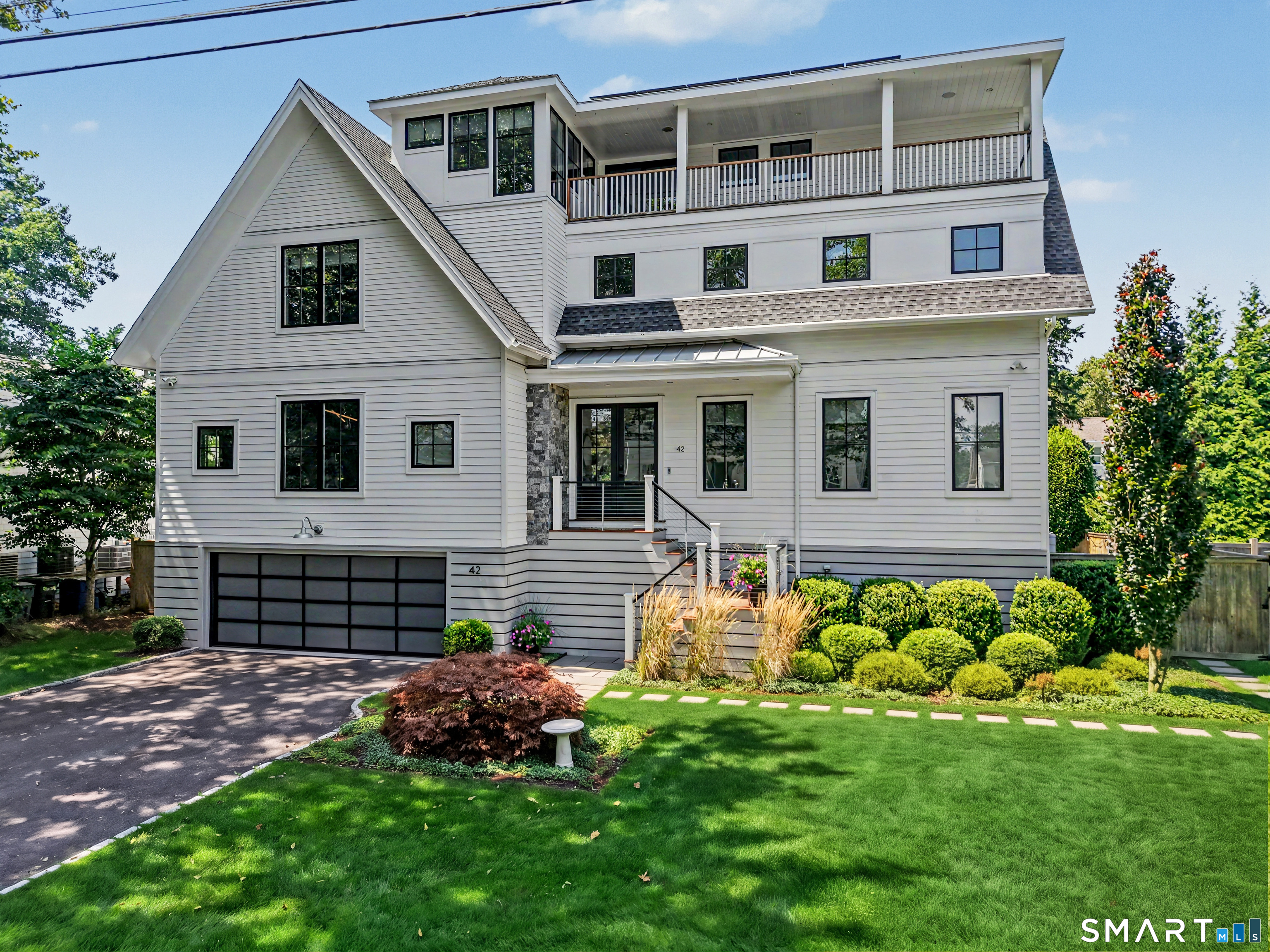
What buyers notice first is the range. Fairfield contains coastal cottages, 18th-century Federal houses in Southport, two-acre estates in Greenfield Hill, 1930s Tudors in Stratfield, and transit-adjacent condos near Black Rock. Few Fairfield County towns offer that much variety inside one tax base and one school system. It also sits at a useful price point: meaningfully below Westport and Greenwich, meaningfully above Stamford and Norwalk, with the amenities to justify the position.
Fairfield was established in 1639, when Roger Ludlow purchased land from the indigenous Unquowa people following the Pequot War — making it one of the earliest English settlements in Connecticut. That founding still shows up in the street grid and in the historic district around the Town Green.
The defining event came in 1779, when British forces under Major General William Tryon and Commodore George Collier burned nearly the entire town to punish patriot sympathizers. Almost everything standing today postdates that fire, which is why "pre-Revolutionary" housing stock is rarer here than the town's age would suggest.
Through the 19th century, Southport Harbor became a working shipping port, moving local agricultural goods — famously onions — along the Atlantic coast. The village's Federal and Greek Revival houses are the direct legacy of that merchant wealth. The last transformation came mid-century, when the Merritt Parkway and I-95 turned an agrarian and maritime town into a commuter suburb. Understanding those three phases helps buyers read the housing stock: colonial rebuilds, maritime-era village architecture, and post-war suburban expansion all sit within a few miles of one another.
Fairfield is best understood as a collection of distinct pockets, each with its own price band, commute pattern, and daily rhythm.
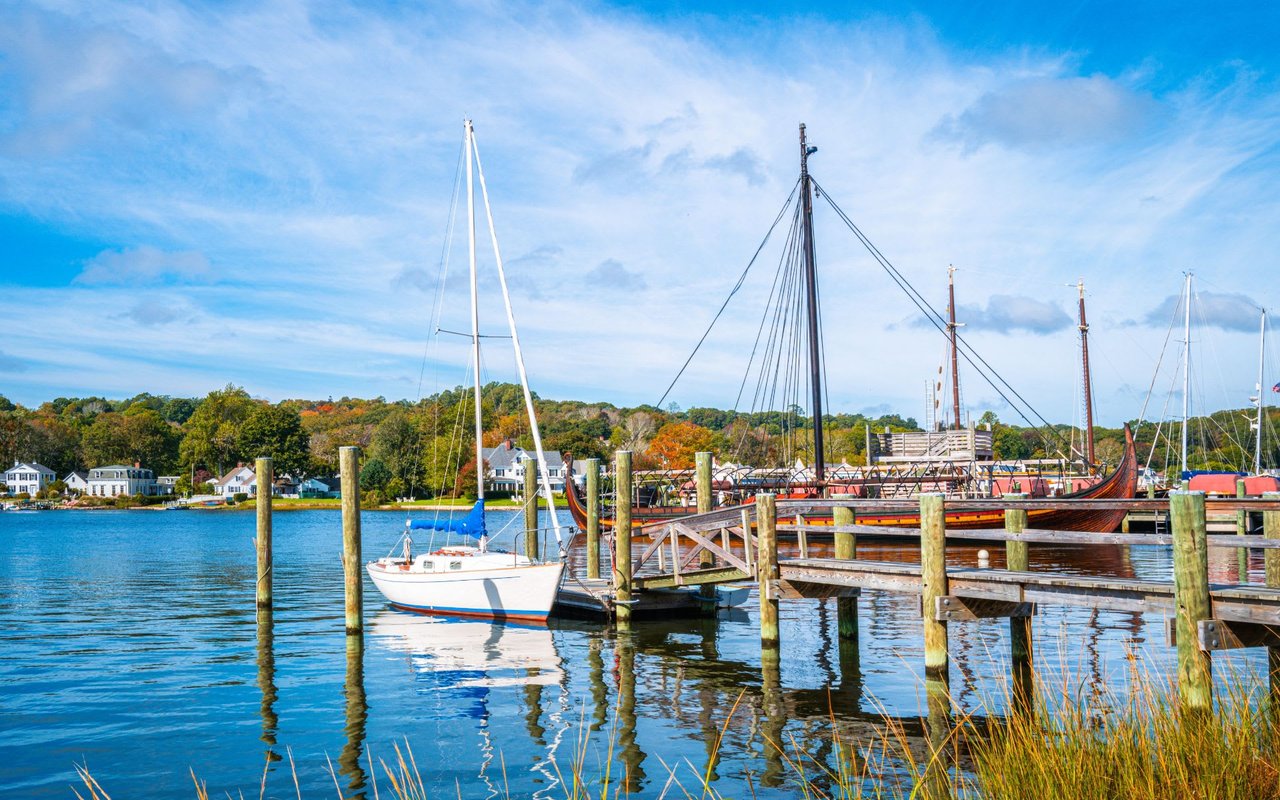
Southport Village is the historic coastal enclave — harbor views, a private yacht club, village shops, and 18th- and 19th-century Federal and Greek Revival homes alongside custom estates. It has its own ZIP code (06890) and Metro-North station within walking distance, though it shares Fairfield's government, tax rate, and schools.
Sasco Hill is the town's most exclusive address: a coastal peninsula overlooking Southport Harbor and the Sound, dominated by sprawling multi-million-dollar waterfront estates. Inventory here is thin and often trades quietly.
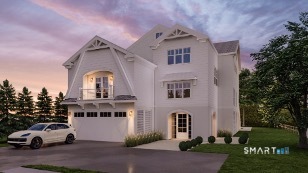
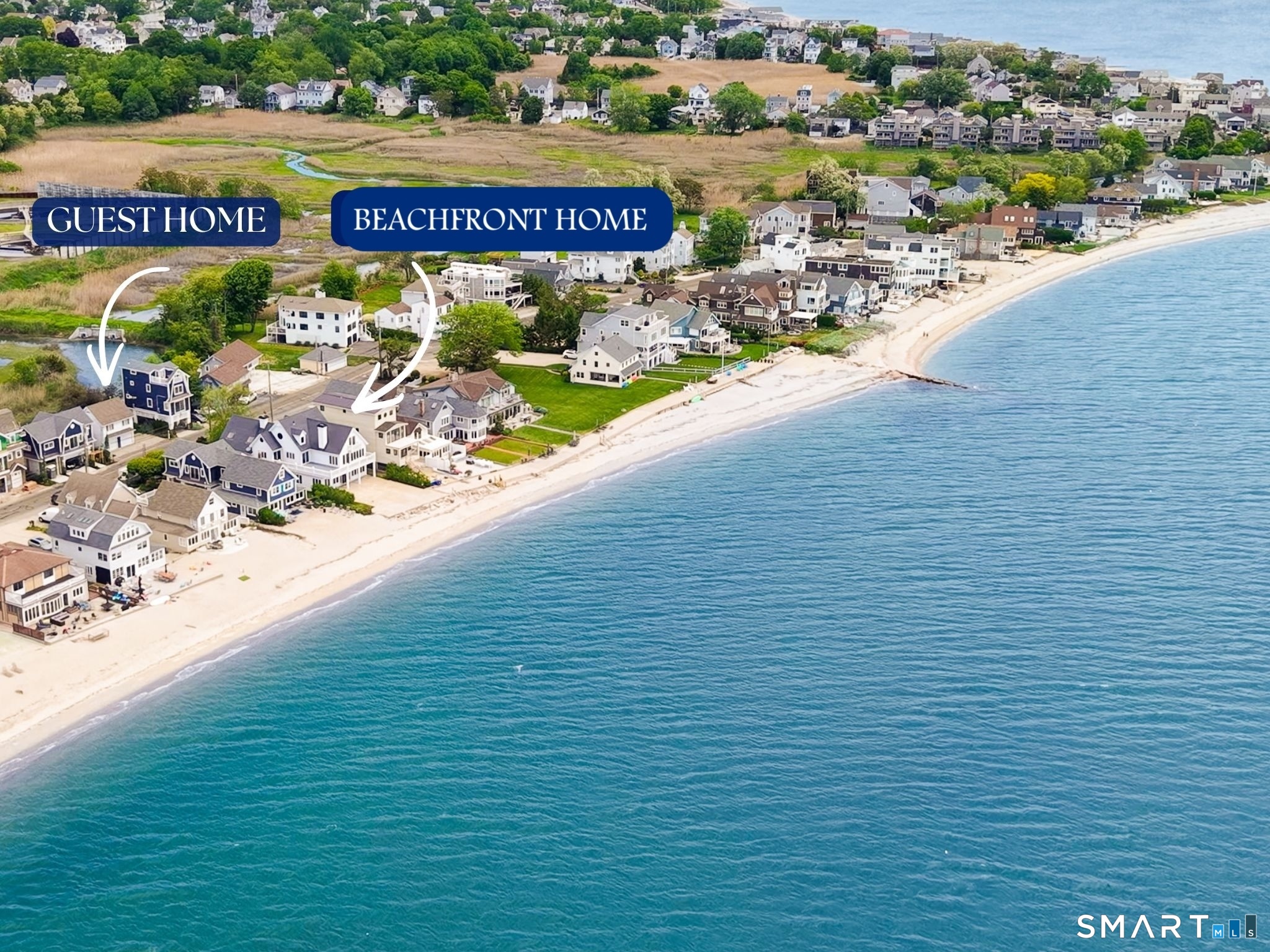
Fairfield Beach is the high-energy shoreline neighborhood near Jennings Beach — Nantucket-style builds, coastal Capes, and beach cottages, with walk-or-bike access to both downtown and the train. It draws a younger, more social buyer than the rest of town.
Greenfield Hill is the inland counterweight: two-acre minimum zoning, horse trails, dogwood-lined roads, expansive Colonials and equestrian properties. Merritt Parkway access is easy; the beach is a drive.
Stratfield occupies the northeastern quadrant and offers the best value in classic architecture — 1920s–1940s Colonials and Tudors, parks, golf, and a strong neighborhood identity, with quick access to the Merritt and Black Rock Turnpike.
Grasmere and the Black Rock area is the transit-oriented side of town: condos, townhomes, and multi-family units near retail corridors and the Fairfield Black Rock station, which has the faster express times to the city.
Fairfield is a competitive seller's market, and has been for several years. Limited inventory meets steady demand from buyers who want coastal suburban life within commuting distance of Manhattan.
Overall home values average roughly $1,000,000 to $1,020,000. Single-family homes carry a higher median near $1,175,000, while condominiums sit around $563,000 — a spread that matters, because the condo market is often the only realistic entry point for first-time buyers here.
The pace is the part buyers underestimate. More than 60% of homes sell above list price, and well-positioned listings typically go pending within 11 to 32 days. In practice, that means pre-approval, a clear price ceiling, and a decided-in-advance inspection strategy before you tour anything. Waiting a weekend to "think about it" costs deals in this market.
Town | Median Sale Price |
|---|---|
Greenwich | $3,100,000+ |
Westport | $2,270,000+ |
Fairfield | $1,000,000–$1,020,000 |
Stamford | $802,000 |
Norwalk | $780,000 |
Rentals average roughly $3,300 to $3,500 per month, supported in part by the Fairfield University and Sacred Heart student populations — a dynamic worth knowing if you're evaluating investment property, since it tightens supply near campus and shapes lease timing around the academic year.
Housing stock is one of Fairfield's real advantages, and style tends to track neighborhood closely.
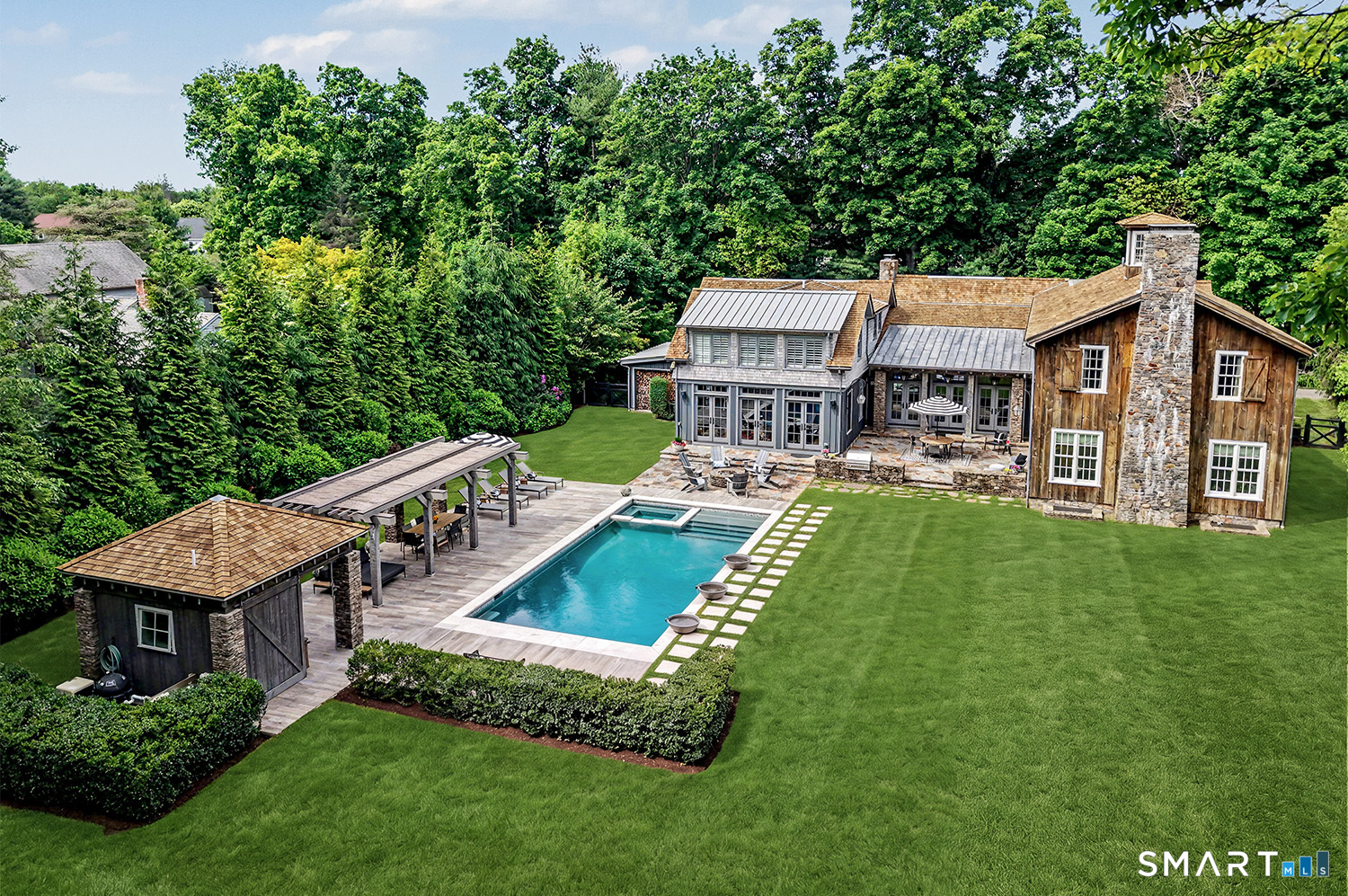
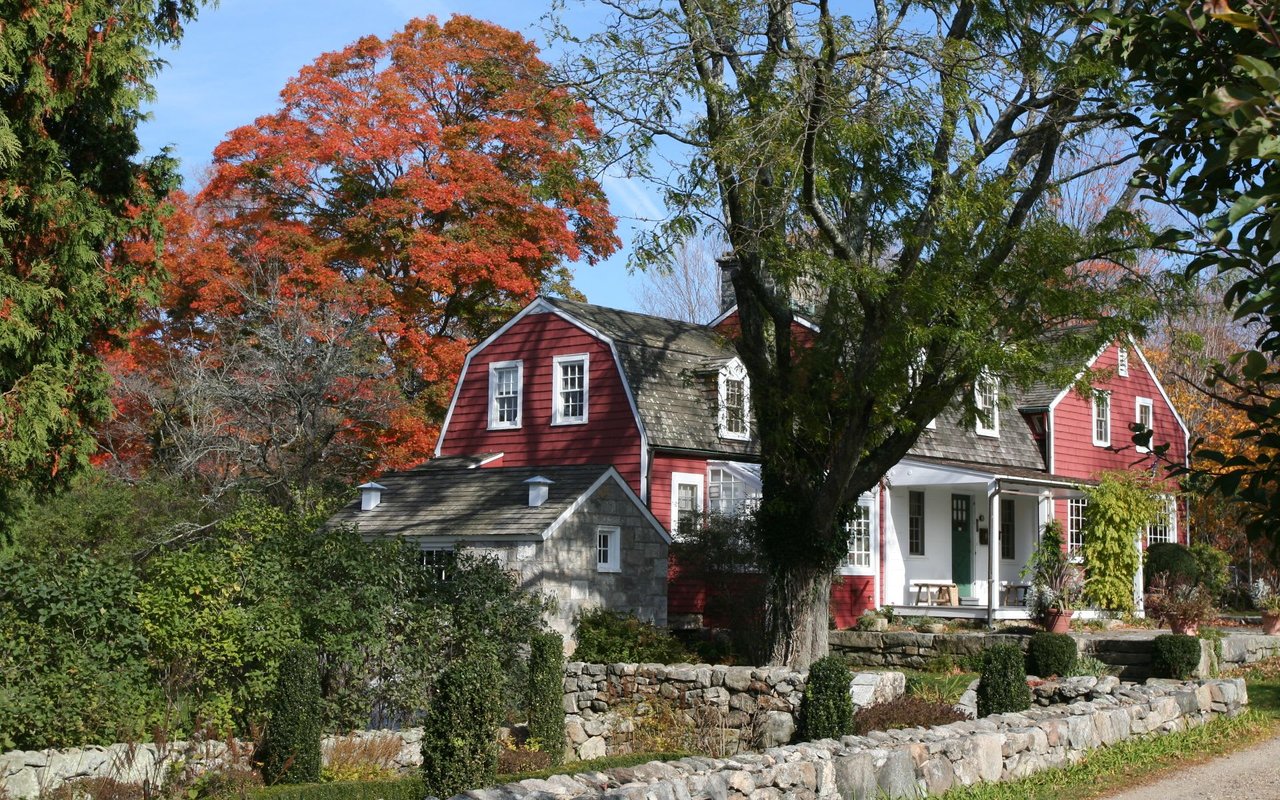
Colonial and Federal homes anchor Greenfield Hill, the Historic District, and Stratfield — symmetrical facades, multi-pane windows, central chimneys, two-story layouts. Examples range from mid-1700s originals to faithful modern builds, so verify age rather than assuming from the exterior.
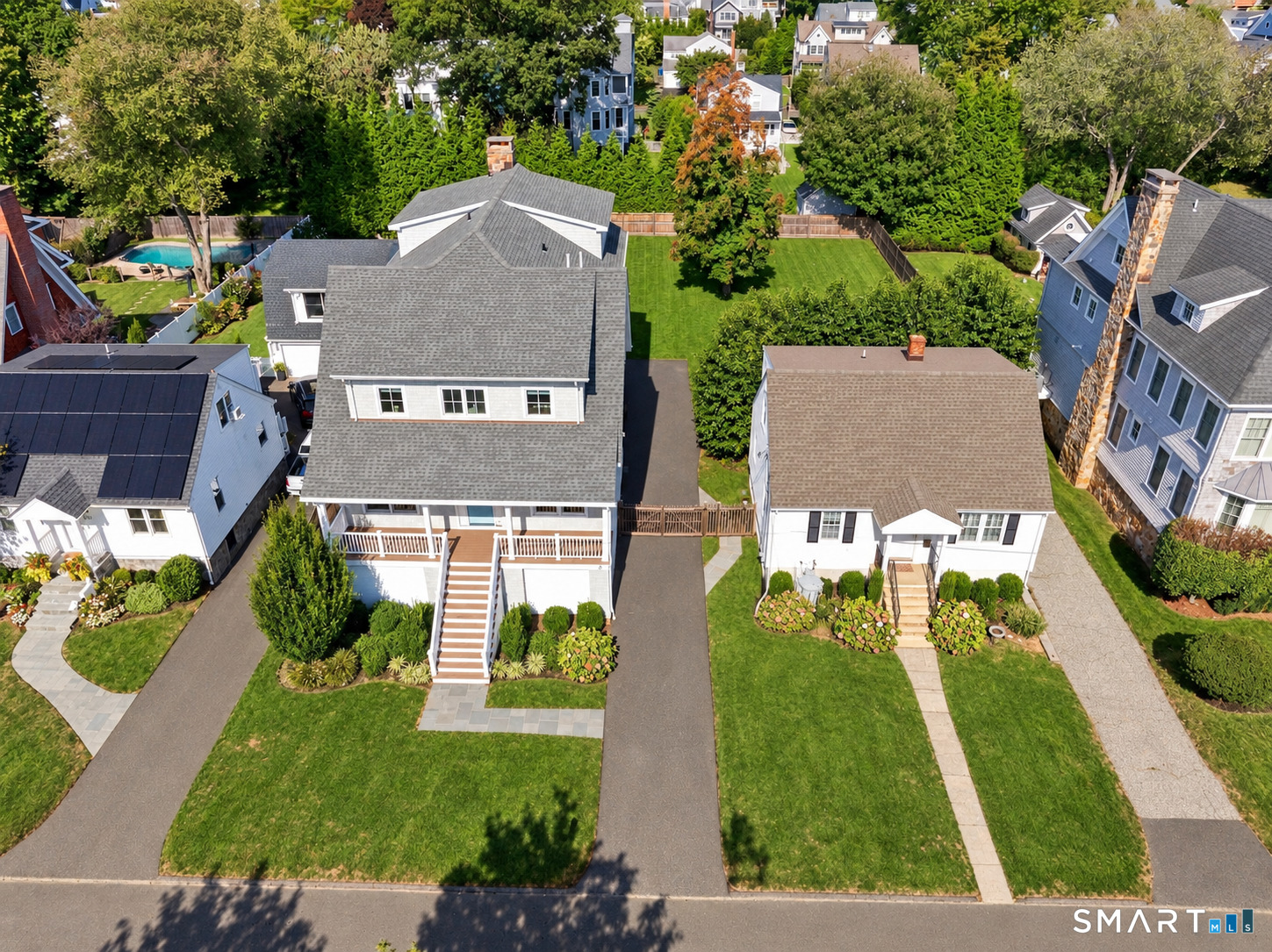
New England Cape Cods cluster in Fairfield Beach, Grasmere, and Tunxis Hill: 1.5 stories, steeply pitched gables, dormers. These are the town's most common expansion candidates, and a well-executed dormer or rear addition often returns well.
Shingle and coastal custom homes define Southport Village, Sasco Hill, and the beach area — cedar siding, stone accents, wraparound porches, and wide glass walls oriented toward the Sound.
Tudor Revival appears most in Stratfield and Greenfield Hill, with half-timbering, prominent gables, and masonry facades. It's a distinctive look with a loyal buyer pool.
Mid-century ranches and split-levels dominate the Lake Mohegan area, Stratfield, and North Fairfield. These are the properties most frequently taken down to the studs or rebuilt as full two-story Colonials — which makes them the town's most active renovation and new-construction opportunity.
Fairfield Public Schools operates 15 schools serving roughly 9,300 students and ranks consistently among Connecticut's strongest districts.
Eleven elementary schools (K–5) anchor individual sub-neighborhoods, which is why school assignment often drives street-level buying decisions here. Sherman, Dwight, Burr, and Riverfield regularly post math and reading proficiency in the top 10% statewide. Three middle schools — Roger Ludlowe, Fairfield Woods, and Tomlinson — feed into two comprehensive high schools, Fairfield Ludlowe and Fairfield Warde, both offering extensive AP coursework, competitive athletics, and well-developed arts programs.
On the independent side, families have unusually good options without leaving town. Fairfield Country Day School is an all-boys K–9 day school. Fairfield College Preparatory School — Fairfield Prep — is a Jesuit all-boys high school on the Fairfield University campus. Notre Dame Prep is co-educational Catholic college prep affiliated with Sacred Heart. And Greens Farms Academy, a co-ed PK–12 independent school, sits right on the Fairfield/Westport line.
One practical note: district boundaries have shifted historically, and elementary assignment can differ between houses on the same block. Confirm current assignment for any specific address before you make an offer.
Five public beaches line Fairfield's shoreline, and the access rules vary enough to affect where you buy.
Beach | Best For | Access |
|---|---|---|
Jennings Beach | Large gatherings, events, swimming | Open to public; resident sticker or daily fee ($40 weekday / $50 weekend) Memorial Day–Labor Day |
Penfield Beach | Family swimming, picnics, rentals | Open to public; same daily fee structure |
Sasco Beach | Quiet walks, sunsets | Fairfield resident sticker only in season |
Southport Beach | Low-key outings, harbor views | Fairfield resident sticker only in season |
South Pine Creek | Neighborhood beach days | Fairfield resident sticker only in season |
Jennings is the largest, with sand volleyball, a concession stand, a pavilion, and a skate park. Penfield offers two accessible sun-sheltered pavilions, grill areas, a playground, and sailboat lockers. The three resident-sticker beaches are the quiet ones — Sasco in particular is a favorite for evening walks.
From Labor Day through Memorial Day weekend, all beaches offer free parking and open access, and leashed dogs are permitted. That off-season window is genuinely one of the better perks of living here, and it's the part most non-residents never see.
Inland Fairfield holds more than 1,100 acres of protected open space, which balances out the coastal side of town.
Lake Mohegan Open Space is the centerpiece — 170-plus acres with a swimming beach, splash pad, 2.5 miles of dirt trail along the Mill River cascades, and designated off-leash dog zones. It's the closest thing Fairfield has to a second summer hub.
Brett Woods Open Space in North Fairfield is the largest single protected tract at over 300 acres, with marked forest trails used for hiking, cross-country skiing, and horseback riding. The Larsen Wildlife Sanctuary, run with the Connecticut Audubon Society, covers 155 acres with seven miles of boardwalk and footpath through wetlands and mature forest, plus an optics center and raptor rehabilitation flight cages.
For everyday recreation, Gould Manor Park delivers a 15-acre neighborhood mix of fishing pond, playground, ball fields, and tennis and pickleball courts. H. Smith Richardson Golf Course is the town-owned 18-hole championship layout with a driving range and clubhouse dining — a real asset, and one reason Stratfield and North Fairfield hold their value.
Downtown Fairfield runs along Post Road, Unquowa Road, and the Brick Walk, and it functions as the town's actual center rather than a strip of chain retail.
The food scene skews independent. Fairfield takes Connecticut bar pie seriously — Colony Grill for thin-crust hot oil pies, Sally's Apizza as the New Haven outpost, and Sophie's Pizza Bar. Downtown dining is anchored by Centro Ristorante, Old Post Tavern, Molto, Brick Walk Tavern, and Barcelona Wine Bar. The Firehouse Deli near Sherman Green is the local institution for breakfast and sandwiches, with Oggi Gelato and a handful of artisanal coffee shops filling in the rest.
Retail follows the same pattern. The Brick Walk is a European-style open-air center with boutiques, home decor, and patio dining, while shops like Marea, The Beehive, Apricot Lane, and Loom Vintage line Post Road and Unquowa. From June through October, the Fairfield Farmers Market brings more than 25 Connecticut farms and producers to Sherman Green every Sunday morning.
For buyers weighing neighborhoods: the walkability difference between downtown-adjacent streets and North Fairfield is significant, and it shows up in resale.
Fairfield punches above its weight culturally, largely because two universities and a strong nonprofit arts sector share the same small footprint.
The Fairfield Theatre Company on Sanford Street runs a multi-stage complex — The Warehouse and StageOne — booking indie rock, acoustic sets, comedy, and film year-round. The SHU Community Theatre on Post Road is a restored 1920s cinema now hosting live theater, concerts, lectures, and classic film. On the Fairfield University campus, the Quick Center for the Arts brings in classical performance, ballet, theater, and guest speakers. The Fairfield Museum & History Center on Beach Road handles regional history, walking tours, and seasonal exhibitions.
Town traditions matter just as much. The Sherman Green Gazebo hosts the free Summer Concert Series and the Peanut Butter Jam children's shows. The Greenfield Hill Dogwood Festival each May is a decades-old spring event built around historic walking tours, plant sales, and artisan booths under blooming dogwoods. July brings the Sidewalk Sale & Street Fair across Post Road, and December closes the year with the Holiday Lighting on the Green.
Fairfield sits on Metro-North's New Haven Line with two stations inside town limits, and the choice between them is a real factor in where people buy.
Fairfield Station (Downtown) | Fairfield Black Rock (Metro) | |
|---|---|---|
Location | Unquowa Road, downtown | Ash Creek Blvd, east Fairfield/Grasmere |
Peak express to NYC | ~75–80 minutes | ~70–75 minutes |
Frequency | Every 20–30 min at rush hour | Every 20–30 min at rush hour |
Parking | Day lot plus annual permit lot | 1,400+ space garage and surface lot |
Walkability | High — step into downtown | Medium — transit-oriented development nearby |
Peak single-ride tickets run roughly $16 to $20, with monthly unlimited passes for daily commuters. All trains run into Grand Central Terminal, with select peak trains connecting toward Penn Station. Black Rock is the pragmatic choice — slightly faster, far easier parking. Downtown Fairfield is the lifestyle choice, since you can walk to dinner from the platform.
By car, I-95 serves the coastal and southern side of town at Exits 19 through 24 and is the fastest route to Manhattan when it's moving — but it congests hard from 6:30–9:30 AM and 4:00–7:00 PM. The Merritt Parkway (Route 15) serves northern Fairfield and Greenfield Hill at Exits 44 and 45. It bans trucks and commercial vehicles entirely, which makes it the more pleasant drive despite the peak-hour bottlenecks.
What are property taxes in Fairfield? Taxes apply the town mill rate to 70% of assessed market value. Following the 2025 revaluation, Fairfield's mill rate came down to 19.19 mills ($19.19 per $1,000 of assessed value). A home appraised at $1,000,000 — assessed at $700,000 — carries roughly $13,433 annually. Always confirm the current rate and assessment for a specific address, since revaluations shift both.
How do beach parking permits work? Residents purchase annual beach stickers through Parks & Recreation. Non-residents pay $40 to $50 per vehicle per day at Jennings and Penfield in season, and cannot park at Sasco, Southport, or South Pine Creek at all during summer — those three require a resident sticker. Off-season, everything is open and free.
Is Fairfield safe? Yes. Fairfield consistently ranks well below both state and national averages for violent crime, supported by the Fairfield Police Department and active neighborhood associations.
What's the difference between Fairfield and Southport? Southport is a village and census-designated place located entirely within the town of Fairfield. It has its own historic district, harbor, and ZIP code (06890), but shares Fairfield's municipal government, emergency services, mill rate, and public schools. A Southport address is a neighborhood distinction, not a separate town.
Do I need to be near a train station to make the commute work? Not necessarily, but it changes your morning. Greenfield Hill and North Fairfield residents typically drive 8–12 minutes to a station or use the Merritt. Beach-area and downtown residents often walk or bike. Factor the daily reality, not the map distance.
If Fairfield is on your list, you want someone who has worked this market long enough to know how each neighborhood actually trades. Jillian Klaff has spent more than 30 years in Lower Fairfield County real estate and is a consistent top producer at Coldwell Banker Realty in Westport, with over $600 million in career sales and frequent rankings among Westport's top ten Realtors®. She holds both GRI and ABR designations, and her background as a Certified Public Accountant in New York gives her an analytical edge in pricing, negotiation, and deal structure that few agents bring to the table.
Jillian's expertise runs particularly deep in land acquisition and new construction — she has collaborated with many of the region's leading builders and partnered in building two spec homes herself, which means she can speak to construction timelines, budgets, and site constraints from direct experience. That matters in Fairfield, where mid-century ranches and tear-down opportunities represent one of the market's most active segments. She works with equal fluency across condominiums, historic estates, and custom builds.
Straightforward, responsive, and relentlessly organized, Jillian serves Westport, Weston, Southport, Fairfield, Wilton, and Norwalk. Whether you're relocating from the city, upgrading within town, or preparing to list, she'll give you a clear read on where you stand.
Jillian Klaff, Realtor® — Coldwell Banker Realty
355 Riverside Ave, Westport, CT 06880
Phone: (203) 858-2095 | Email: [email protected]
License #RES0365700
Fairfield has 21,086 households, with an average household size of 2.71. Data provided by the U.S. Census Bureau. Here’s what the people living in Fairfield do for work — and how long it takes them to get there. Data provided by the U.S. Census Bureau. 61,737 people call Fairfield home. The population density is 2,065 and the largest age group is Data provided by the U.S. Census Bureau.
Total Population
Population Density Population Density This is the number of people per square mile in a neighborhood.
Median Age
Men vs Women
Population by Age Group
0-9 Years
10-17 Years
18-24 Years
25-64 Years
65-74 Years
75+ Years
Education Level
Total Households
Average Household Size
Average individual Income
Households with Children
With Children:
Without Children:
Marital Status
Blue vs White Collar Workers
Blue Collar:
White Collar:
Based on information submitted to the MLS GRID as of . All data is obtained from various sources and may not have been verified by the broker or MLS GRID. Supplied Open House Information is subject to change without notice. All information should be independently reviewed and verified for accuracy. Properties may or may not be listed by the office/agent presenting the information.
Search by Cities Search by Zip Codes