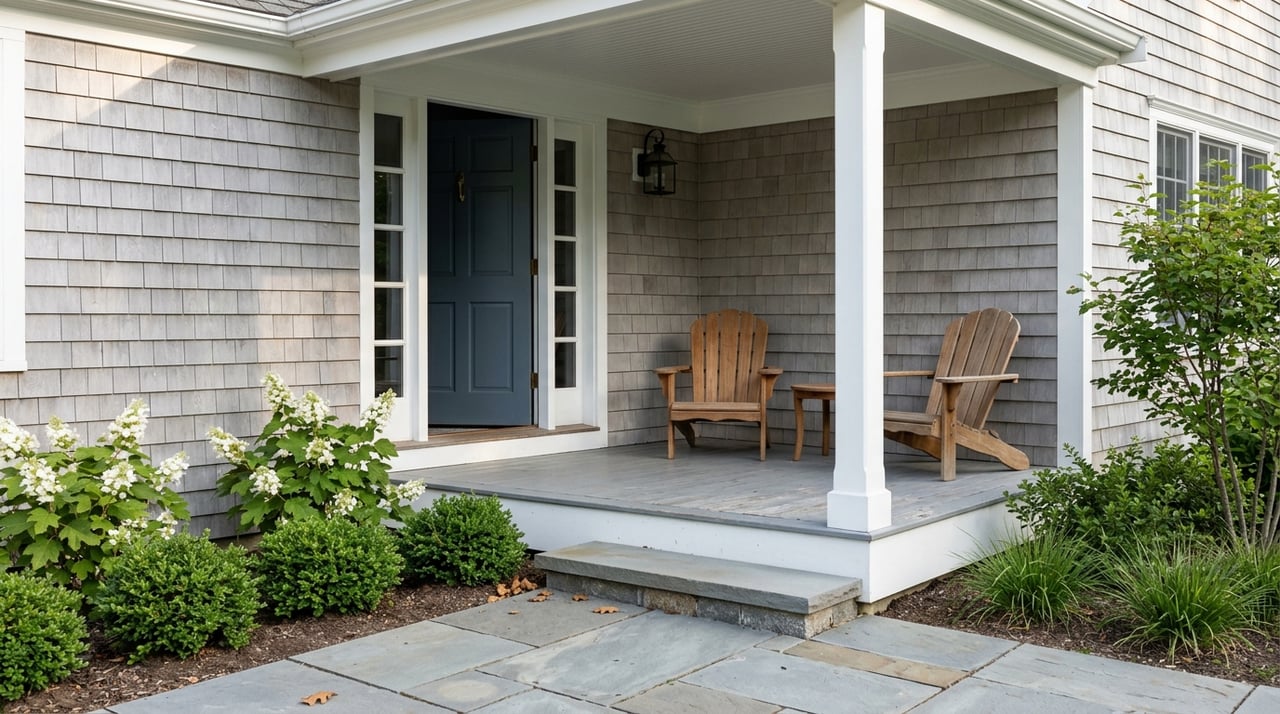
Looking for a coastal Connecticut weekend that feels polished, relaxed, and easy to picture as part of daily life? Southport offers exactly that. If you are exploring Fairfield County neighborhoods and want a place with harbor views, historic character, walkable spots, and a strong sense of place, this guide will help you see how a weekend in Southport can reveal the lifestyle behind the address. Let’s dive in.
Why Southport Stands Out
Southport Village has a distinct identity within Fairfield. The Town of Fairfield presents it as a coastal destination where shopping, dining, arts and culture, historic architecture, and a scenic harbor all come together.
That mix is a big reason Southport feels memorable. You can move from quiet residential streets to the harbor, a local library event, or dinner in the village without losing the feeling that everything is connected.
For many buyers, that is the real appeal. A weekend here gives you more than a list of amenities. It gives you a feel for pace, setting, and how your day might naturally unfold.
Start With a Walkable Village Morning
One of the easiest ways to experience Southport is on foot. Fairfield notes that visitors can walk from the Southport Metro-North station to Southport Center and Southport Harbor, which speaks to the village’s practical walkability.
That matters if you are thinking about lifestyle as much as real estate. Walkability in Southport is less about city energy and more about convenience, charm, and being able to enjoy a few key destinations without getting back in the car.
As you stroll through the center, you will notice a village-scale mix of local businesses. Fairfield highlights shops such as Tusk Home + Design, Foxtrot Home, Fairfield Women’s Exchange, J. McLaughlin, Kasson Jewelers, and Spic and Span Market, all of which help shape the local feel.
See the Historic Character Up Close
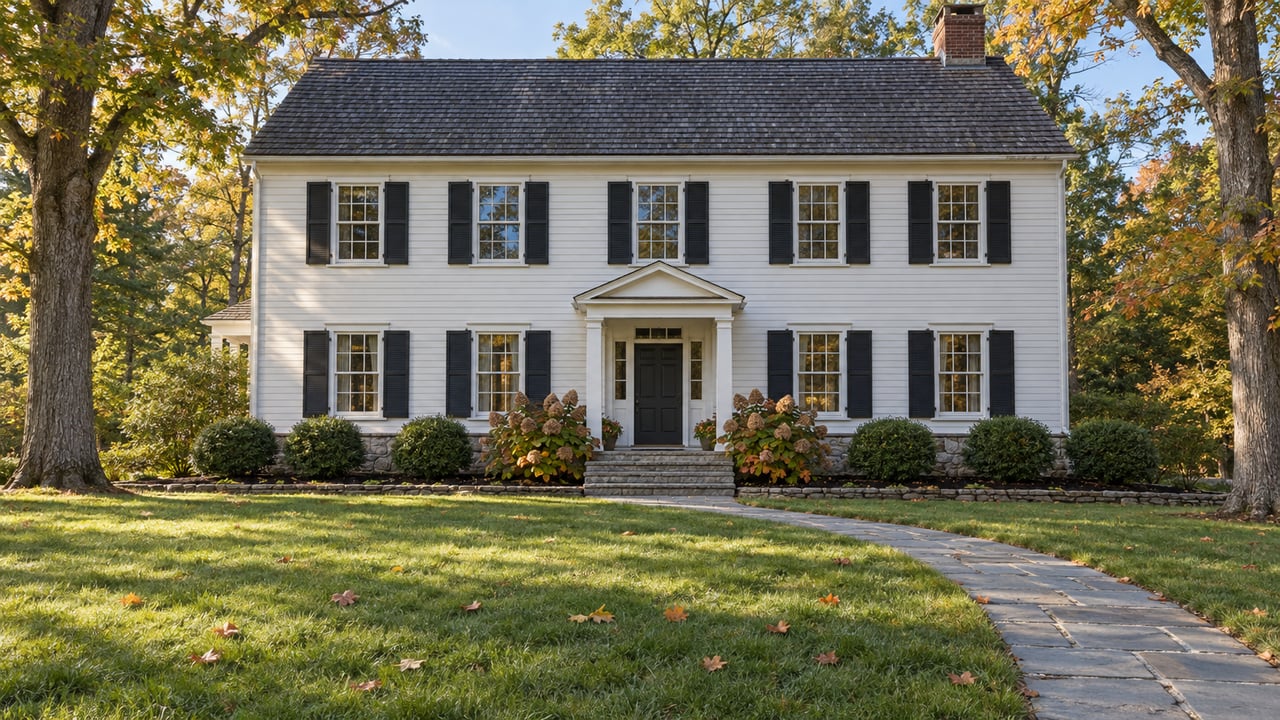
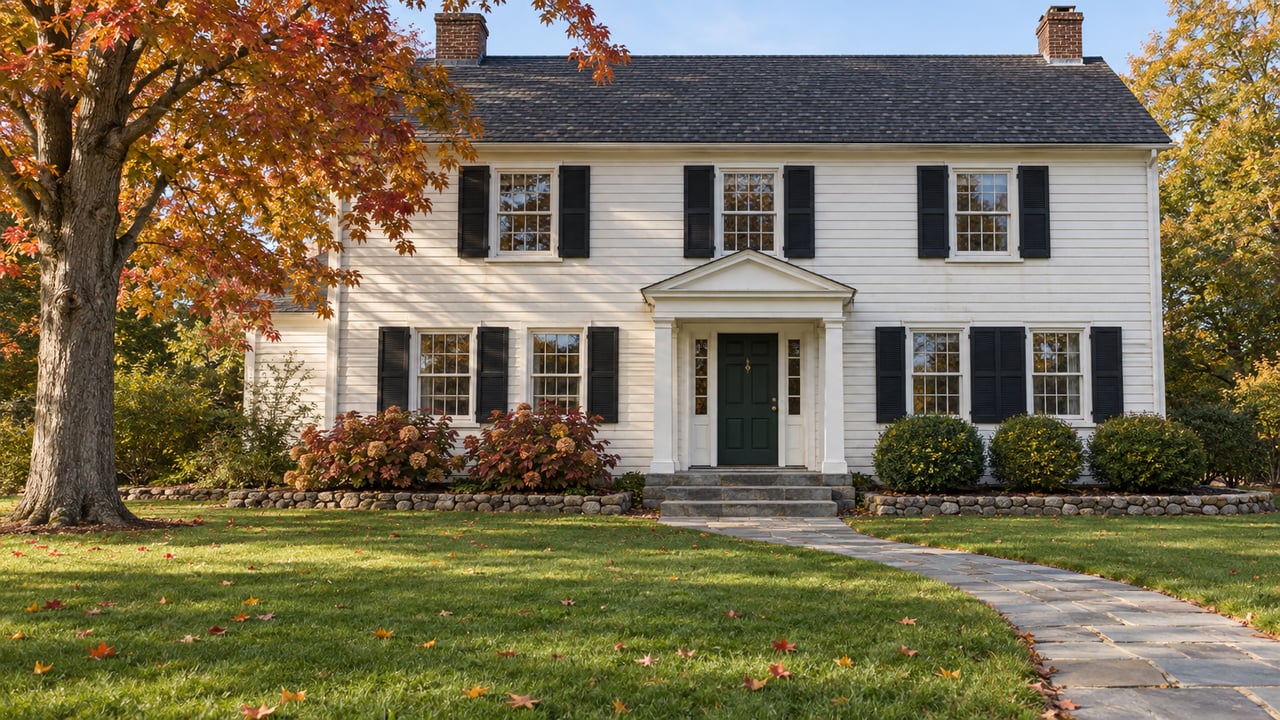
Southport’s built environment is one of its defining features. The Southport Historic District was formed in 1967 and later expanded in 2007, and it includes more than 150 buildings across eighteenth-, nineteenth-, and twentieth-century architectural styles.
You can see that history in the streetscape. Local materials describe generous lots, preserved gardens, and lawns that reflect the area’s long development pattern and its historic connection to shipping and specialized agriculture, including the onion trade.
Landmarks in the district include the Old Mill, the Samuel Bradley House, and the William Bulkley House. Along with residences, the district also includes churches, commercial buildings, and institutional buildings, which gives the area visual variety and a stronger sense of continuity.
If you are house hunting, this part of the weekend can be especially useful. It helps you understand the kinds of homes found here, from earlier houses to later Colonial Revival and Cape Cod examples, and how setting and scale contribute to value.
What Buyers Should Know About Historic District Rules
Southport’s historic character also comes with practical considerations. In the historic district, exterior changes may require approval from the Historic District Commission, including work such as reroofing, hardscape updates, and lighting changes.
For buyers, that does not need to be a drawback. It simply means you should expect a preservation-minded context and plan ahead if you are considering exterior changes after a purchase.
For sellers, this context can also be meaningful. Buyers who value architectural character often appreciate neighborhoods where preservation standards help protect the visual integrity of the area.
Spend Time at the Harbor
The harbor is central to Southport’s identity. Fairfield’s coastal planning materials describe Southport Harbor as part of an actively managed coastal area, with the Harbor Management Plan intended to guide the beneficial use and conservation of coastal resources.
In simple terms, the harbor is not just scenic. It is a working part of the community’s coastal life and long-term planning, which adds depth to the lifestyle here.
This is the kind of place where being near the water shapes the feel of the neighborhood. Even if you are not a boater, the harbor setting adds beauty, rhythm, and a sense of arrival that many buyers want in a coastal town.
Pequot Yacht Club, founded in 1920 and located in Southport, reinforces that water-centered lifestyle through sailing, racing, cruising, and junior sailing. That presence adds another layer to the area’s long connection to the harbor.
Add Outdoor Time Beyond the Water
Southport’s outdoor appeal goes beyond the harbor. Southport Park is a 12-acre nature preserve with trails, birdwatching, picnic areas, dog-walking space, and daily dawn-to-dusk access.
If you want a quieter break in your weekend, this is a great stop. It shows another side of Southport, one rooted in open space, simple routines, and easy access to nature.
Cycling is another way to experience the area. Fairfield’s bike-tour guide includes a 9.2-mile Southport Bike Tour with Long Island Sound views, old homes, Southport Center, and Southport Beach, plus a longer 15.5-mile loop that includes Southport Harbor.
That gives you a useful window into the local landscape. You are not just seeing one destination. You are seeing how shoreline, village streets, and residential areas connect.
Beach Access Tips for Weekend Planning
If the beach is part of your plan, it helps to know the local rules. Fairfield says all five town beaches are free to enter, but parking requires a beach sticker from Memorial Day Saturday through Labor Day.
The town also notes that Southport, Sasco, and South Pine Creek beaches are resident-parking-only during that season. If you are visiting in summer, that is an important detail to factor into your weekend schedule.
Plan Lunch, Dinner, and a Few Stops In Between
Southport Village offers a dining scene that feels varied without losing its small-scale appeal. Fairfield’s current dining list includes The Gray Goose, Paci, Blackstones Grille, Organika Kitchen, Hotaru, and Toscano Pizza.
That range matters because it supports different kinds of weekends. You can keep things casual, plan a polished dinner out, or mix errands and meals in a way that feels easy and local.
The shopping experience works the same way. Home-design stores, gift shops, jewelers, fashion boutiques, and specialty food stops help create a village environment that feels active but not overwhelming.
If you are evaluating Southport as a place to live, these details count. They show whether daily life can feel convenient, pleasant, and worth paying a premium for.
Make Time for Arts and Culture
A strong neighborhood lifestyle is not only about restaurants and scenery. In Southport, Pequot Library serves as a major cultural anchor.
The library is housed in a historic building on more than three acres, and its mission includes literature, music, art, science, and the humanities. Its programming includes exhibitions, lectures, performances, and special collections events.
For buyers, places like this can shape how a town feels over time. They create reasons to stay engaged locally and can turn an ordinary weekend into something richer and more connected.
What a Weekend Here Says About Real Estate
A weekend in Southport gives you a practical lens on the market. You are not just seeing attractive streets or a scenic harbor. You are seeing a place where historic housing stock, preserved setting, local businesses, rail access, and coastal amenities all overlap.
That combination is not easy to replicate. It is part of why Southport continues to stand out for buyers who want character, convenience, and a refined coastal feel within Fairfield County.
If you are considering a move, a second look at Southport is often worthwhile. The experience of spending real time here can tell you far more than a quick drive-through or an online listing search.
Whether you are preparing to buy, planning to sell, or simply narrowing your options in Lower Fairfield County, neighborhood context matters. For tailored guidance on Southport and surrounding coastal communities, Jillian Klaff can help you evaluate the lifestyle, housing context, and market fit with clarity and care.
FAQs
Is Southport, Connecticut walkable for a weekend visit?
- Yes. Fairfield says you can walk from the Southport Metro-North station to Southport Center and Southport Harbor, making it easy to explore key parts of the village on foot.
What kinds of homes are common in Southport?
- Southport is known for historic architecture, with homes in the district spanning eighteenth-, nineteenth-, and twentieth-century styles, including Colonial Revival and Cape Cod examples.
What should Southport homebuyers know about the historic district?
- In the Southport Historic District, some exterior changes may require Historic District Commission approval, including reroofing, hardscape work, and lighting changes.
What outdoor activities are available in Southport besides boating?
- Southport offers outdoor options beyond the harbor, including Southport Park’s trails and picnic areas, bike routes through the village and shoreline, and nearby town beaches.
Can you park at Southport beaches in summer?
- During the season from Memorial Day Saturday to Labor Day, Fairfield says beach parking requires a sticker, and Southport, Sasco, and South Pine Creek beaches are resident-parking-only for parking during that period.
What makes Southport Village appealing to homebuyers?
- Southport Village combines a scenic harbor, historic architecture, local shops and dining, cultural amenities, and access to the Metro-North station, which together create a distinctive coastal village lifestyle.