Thinking about trading city noise for coastal air without giving up your Manhattan career? You are not alone. Many NYC professionals choose Westport for more space, reliable rail access, and a lively downtown that still feels close to the city. In this guide, you will learn what to expect from housing, commute patterns, schools, lifestyle, costs, and the smart steps to make the move smoothly. Let’s dive in.
Why Westport appeals to NYC movers
Westport blends small-town coastal charm with the services and amenities you expect after years in the city. You get beaches and parks alongside boutiques, restaurants, and cultural programming. Hybrid work makes the commute more flexible, and the housing stock offers real variety for different stages of life.
Housing overview and neighborhoods
What you can buy
Single-family homes make up most of Westport’s market. Styles range from classic Colonial and Victorian to mid-century modern and newer custom builds. You will also see historic cottages and village homes near downtown and Saugatuck, which appeal if you want walkability. Condos and townhouses exist in smaller numbers, mainly around downtown, Saugatuck, and a few newer developments, which can suit buyers seeking lower-maintenance living.
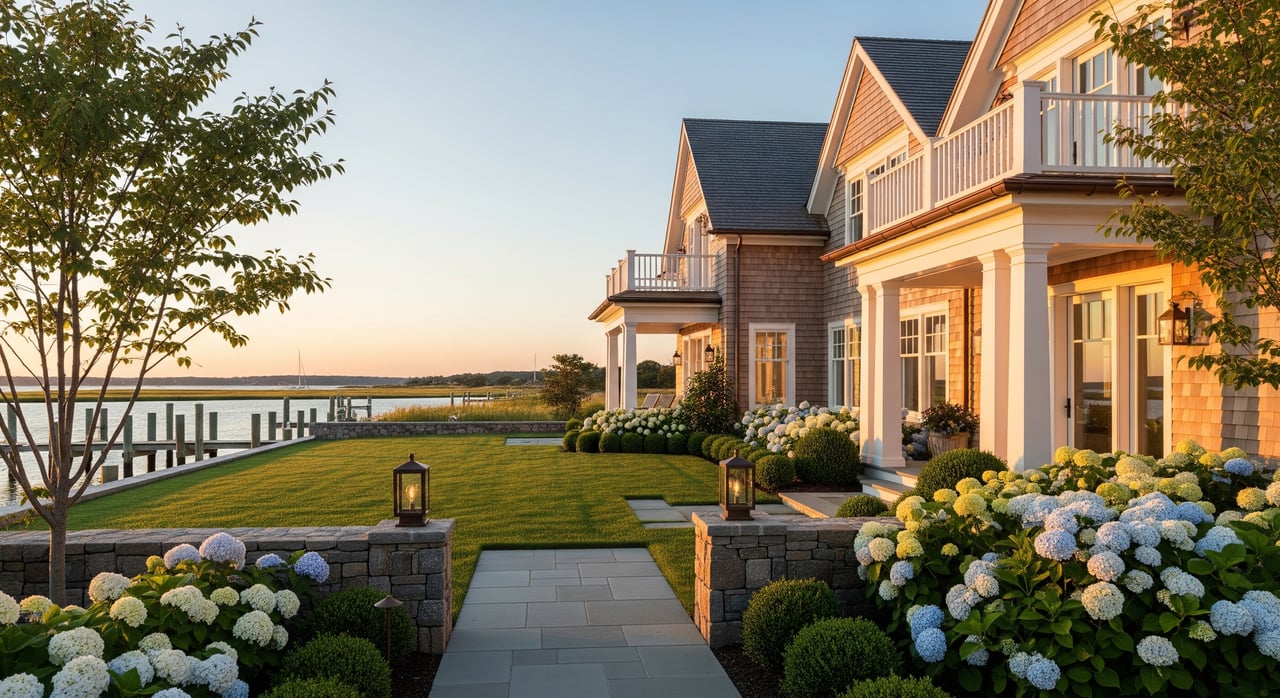
Waterfront and riverfront properties sit at the top of the market. They offer standout views and access, but they also bring added insurance and maintenance considerations. If you have been in a NYC apartment, plan for the jump in systems and upkeep when moving to a larger home.
Neighborhood snapshots
- Downtown/Main Street and Saugatuck: Most walkable with restaurants, shops, galleries, and easy train access. Popular with commuters and anyone who wants a village feel.
- Greens Farms: More suburban and pastoral with some larger lots and privacy. A fit if you want space and a quieter setting.
- Compo and Compo Beach area: Coastal lifestyle close to recreation and the beach, with a mix of historic and newer homes.
- North Westport near Staples-area schools and parks: Neighborhoods that offer a classic suburban feel and access to schools and recreation.
Neighborhood borders and micro-markets matter. Proximity to the train, downtown, and specific school zones can create price differences between streets only a few minutes apart.
What drives value
Westport typically trades at a premium compared to the Connecticut state median and many inland towns. The biggest value multipliers are waterfront, proximity to rail, downtown walkability, and homes aligned with sought-after school zones. Inventory can be tight, especially in spring and early summer, and turnkey homes often draw multiple offers.
Sellers generally pay real estate commissions. As a buyer, plan for standard closing costs and inspection fees, and check with your agent on any evolving market practices.
Due diligence for Westport homes
- Flood zones and insurance: Many coastal and riverfront properties fall in FEMA-identified flood zones. Review maps early and obtain flood insurance quotes as part of your budgeting.
- Septic vs public sewer: Some older properties use septic systems. Verify capacity, maintenance records, and replacement history.
- Historic districts and zoning: Preservation or zoning rules may affect additions or renovations. Confirm before you plan a project.
- Short-term rental rules: If you are considering part-time renting, review local ordinances first.
Commute to Manhattan
Rail options
Metro-North’s New Haven Line from Westport is the primary rail link to Grand Central Terminal. Express and local trains operate throughout the day, and schedules vary by train type and timing. Daily rail commuting is common among executives and professionals, and many residents follow a hybrid schedule to reduce weekly trips.
Driving realities
If you drive, routes include I-95 and the Merritt Parkway. Door-to-door times depend heavily on when you leave and traffic conditions. Driving to Manhattan can range from about 60 to 90 minutes or more, which is why many residents prefer the predictability of the train.
Smart commute testing
- Check schedules for your likely morning and evening trains and compare express vs local options.
- Do a trial commute at peak times, including the drive and parking at the station.
- Review station parking availability, permits, and costs before you buy.
- Ask your employer about commuter benefits and hybrid policies to model your weekly time and cost.
Schools and family life
Public and private options
Westport Public Schools are widely recognized for strong performance within state comparisons. The district’s academics, AP offerings, and extracurriculars attract many families. For any specific property, confirm school assignment based on its address. Private day schools exist across the region, though they can add commute and scheduling trade-offs.
Childcare planning
You will find private and nonprofit preschools and childcare centers in the area. Capacity can be competitive, so start research and applications early if you need care soon after moving.
Healthcare and services
Fairfield County is served by multiple community hospitals and medical centers, and larger tertiary care centers are reachable within regional driving distance. You will find local primary care, pediatricians, specialists, and urgent care options for routine needs.
Arts, dining, and outdoors
Westport supports an active cultural scene with regional theater and seasonal performances, plus galleries and live music. Downtown and Saugatuck offer restaurants, cafés, and boutique shopping if you want a walkable night out. Outdoors, you have public beaches, river access, parks, golf, tennis, walking trails, marinas, and seasonal community events.
Cost and budgeting
Big-ticket items to model
- Purchase price vs NYC sale proceeds: Many buyers convert a smaller apartment into a single-family home. Run updated cash-flow and mortgage scenarios to gauge comfort.
- Property taxes: Connecticut municipalities often carry higher property tax burdens than many out-of-state buyers expect. Westport’s mill rate and assessments set your annual carry, so confirm current figures with the town.
- Insurance: Coastal exposure can increase homeowner’s insurance. Flood insurance may be required if a property sits in a Special Flood Hazard Area and you finance with a mortgage.
- Commuting: Compare monthly rail passes to tolls, fuel, and parking fees. Include the value of your time and any employer transit benefits.
Ongoing maintenance and utilities
Larger homes bring higher heating and cooling costs. Budget for landscaping, snow removal, and routine upkeep. Pools, generators, and specialty systems add recurring expenses, and contractor lead times can affect project planning.
Closing and financing notes
Standard mortgage products are available in Connecticut. Typical closings include attorney review, title work, and inspection periods. In strong markets you may see limited room for contingencies, while more balanced conditions can allow for negotiation. Your agent can brief you on current norms.
Moving timeline and strategy
When to shop and move
Spring and summer offer more listings and easier moving weather. If you need to move during the school year, coordinate enrollment timing and record transfers well in advance.
Try before you buy
If you are unsure about commute timing or neighborhood fit, consider a short-term rental or an extended visit. Test trains, parking, and school routines to confirm daily rhythms work for your household.
Contractor and service planning
Demand for quality trades can create scheduling delays. Line up inspections, movers, and home service providers early. If the property has septic, a pool, or complex systems, schedule specialized inspections in addition to the general inspection.
Quick buyer checklist
- Confirm flood zone status and request insurance quotes for any at-risk property.
- Verify septic vs public sewer and review system records where applicable.
- Map school assignment for the property’s address before you submit an offer.
- Test your door-to-door commute and review station parking rules.
- Model total monthly carry: mortgage, taxes, insurance, utilities, and commuting.
- Plan for immediate post-closing updates and contractor availability.
Relocating from NYC to Westport can be a lifestyle upgrade if you plan the details. With a clear view of housing types, commute trade-offs, school zoning, and true monthly costs, you can move confidently and avoid surprises.
If you are ready to explore neighborhoods, compare homes, and run a tailored budget and timeline, connect with Jillian Klaff for a personalized, financially grounded plan.
FAQs
How does the Westport-to-Manhattan commute typically work?
- Most professionals take Metro-North’s New Haven Line to Grand Central. Many follow hybrid schedules, and driving is possible but more variable due to traffic.
Which Westport neighborhoods are most walkable for NYC transplants?
- Downtown/Main Street and Saugatuck offer the most walkability to restaurants, shops, and the train. Other areas trade walkability for larger lots and privacy.
What due diligence should I do on a coastal or riverfront home in Westport?
- Review FEMA flood maps early, obtain flood insurance quotes, and budget for coastal maintenance. Confirm any elevation, drainage, or mitigation measures on site.
Are Westport Public Schools a strong option for families relocating from NYC?
- The district performs well in state comparisons. For any property, confirm exact school assignment based on its address and review available program information.
How do property taxes and insurance affect my budget compared to NYC?
- Expect higher carry than a typical NYC condo for taxes and homeowner’s insurance, especially near the coast. Model total monthly costs before you buy.
What should I know about septic systems vs public sewer in Westport?
- Some older homes use septic. Ask for capacity and maintenance records, and include a septic inspection in your contingencies if applicable.
When is the best time to buy in Westport if I am moving from the city?
- Spring and early summer often bring more listings and easier logistics. Coordinate with school calendars and line up movers and contractors early.