18,777 people live in Wilton, where the median age is 43 and the average individual income is $114,419. Data provided by the U.S. Census Bureau.
Total Population
Median Age
Population Density Population Density This is the number of people per square mile in a neighborhood.
Average individual Income
Wilton sits in lower Fairfield County, about 45 to 50 miles northeast of Manhattan, and it has a quality that's increasingly rare this close to New York: it still feels like the country. Residential zoning of one to two acres keeps the town wooded and private, stone walls line many of the back roads, and nearly three centuries of history show up in its antique farmhouses, historic hamlets, and working farmland.
What draws most buyers, though, is the balance. Wilton offers top-ranked public schools, two Metro-North stations, a walkable town center, and Connecticut's only national park, all without the density of the shoreline towns. The town attracts families relocating from New York City and Westchester, professionals commuting to Stamford and Norwalk, and buyers who want more land for their money than they'd find in neighboring Westport or New Canaan.
Wilton is primarily a single-family market. Most homes sit on lots of one to two acres or more, with a limited selection of townhomes and condominiums clustered near Wilton Center. Recent market data shows the following:
Market Metric | Recent Figure |
|---|---|
Typical home value | $1.05M to $1.27M |
1-year price appreciation | About 8.4% (Zillow Home Value Index) |
Median days on market | About 40 days |
Sale-to-list ratio | About 103% |
Median monthly rent | $4,000 to $4,500 |
Inventory has stayed tight relative to demand, and that shapes how buyers need to approach this market. Updated, move-in-ready homes between $900,000 and $1.5 million move fastest and often draw multiple offers, so buyers in that range should be pre-approved and ready to act. Estates above $2 million see steady interest but typically take longer to sell, which gives buyers more room to negotiate. Homes that need updating are where value-minded buyers often find the best opportunity, since many competing buyers want turnkey.
For sellers, the takeaway is that preparation and pricing matter. A well-presented home priced correctly for its segment can still sell above asking.
Wilton's housing reflects nearly 300 years of building, and the variety is one of its strengths.
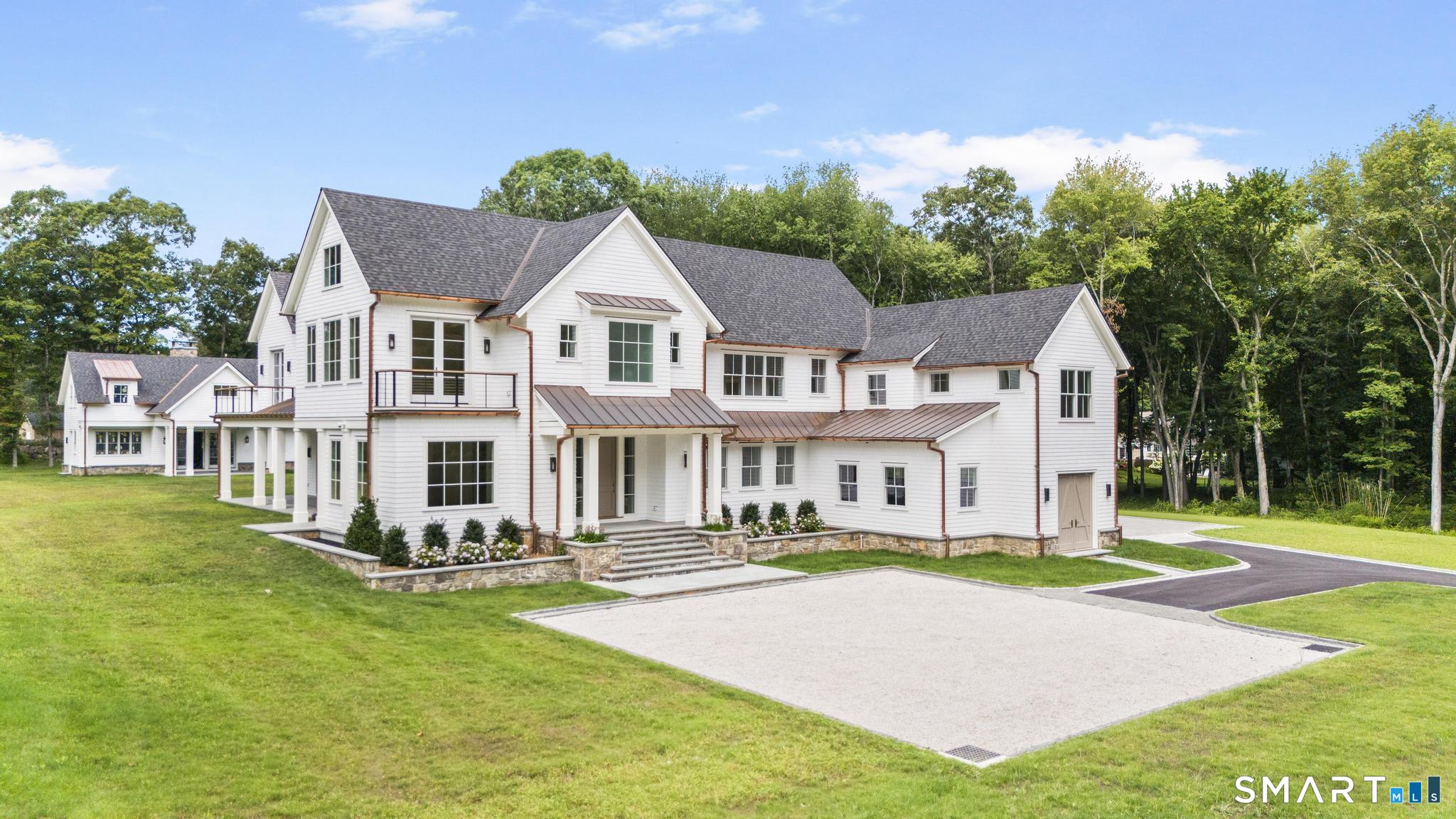
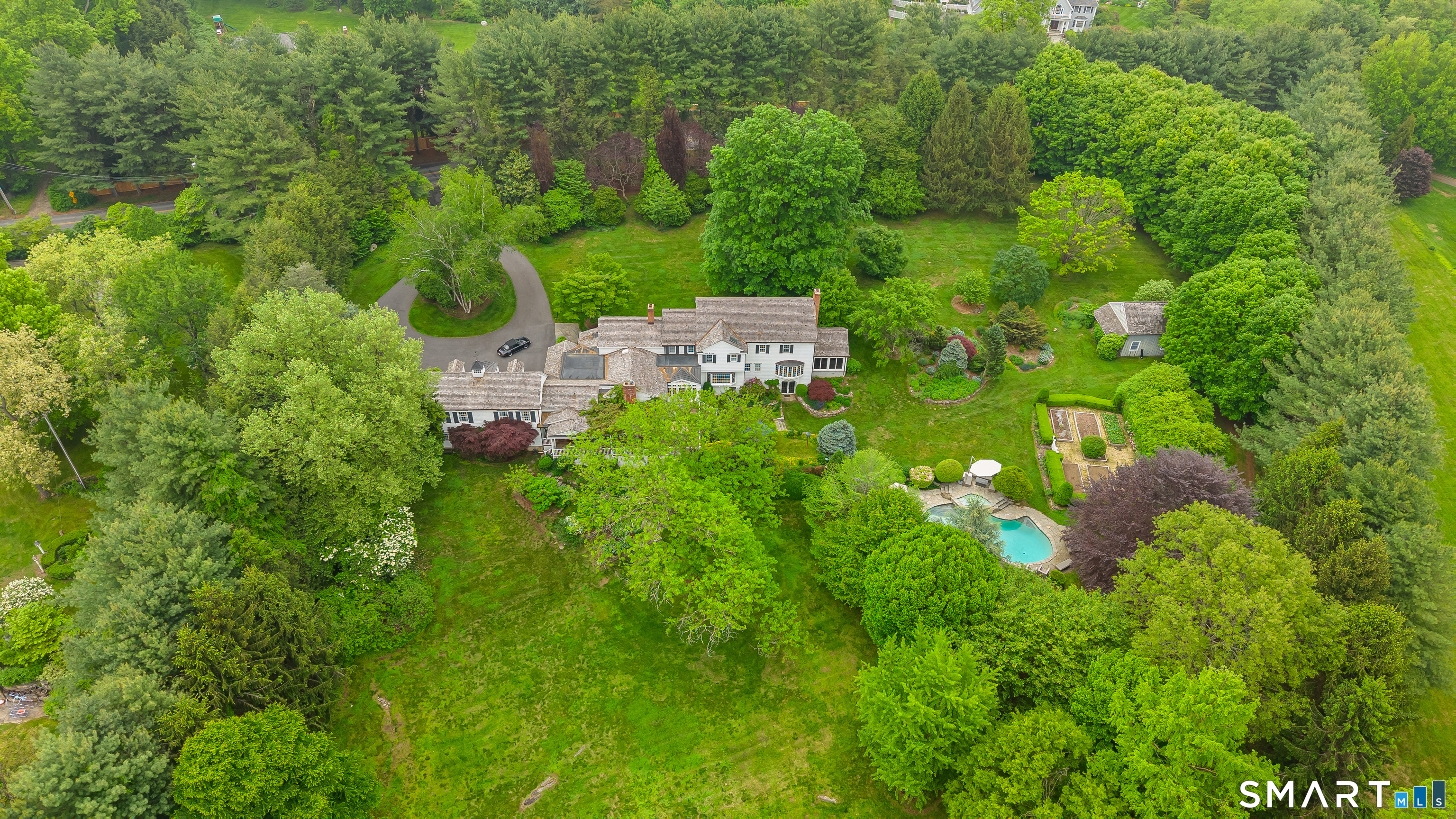
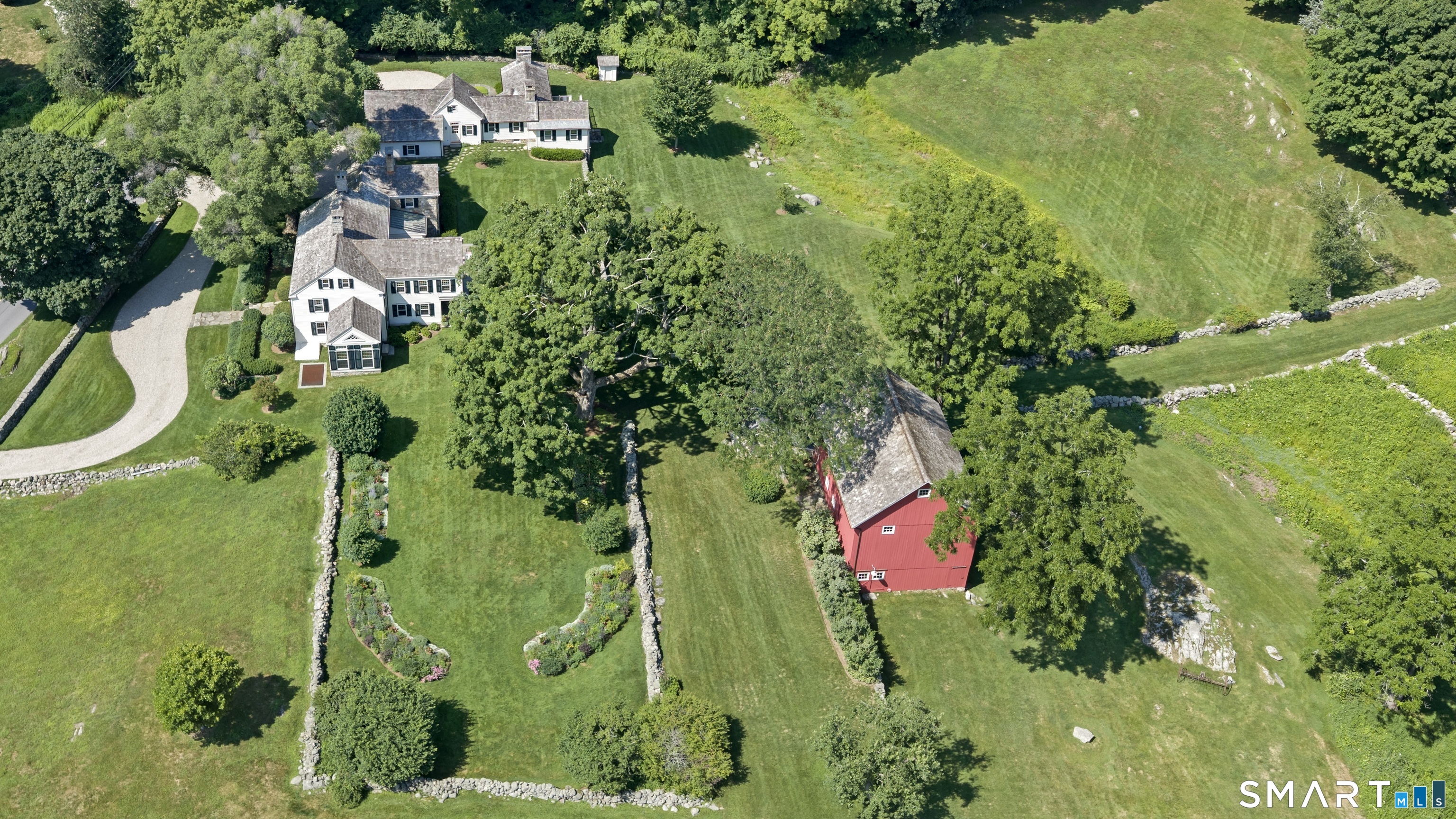
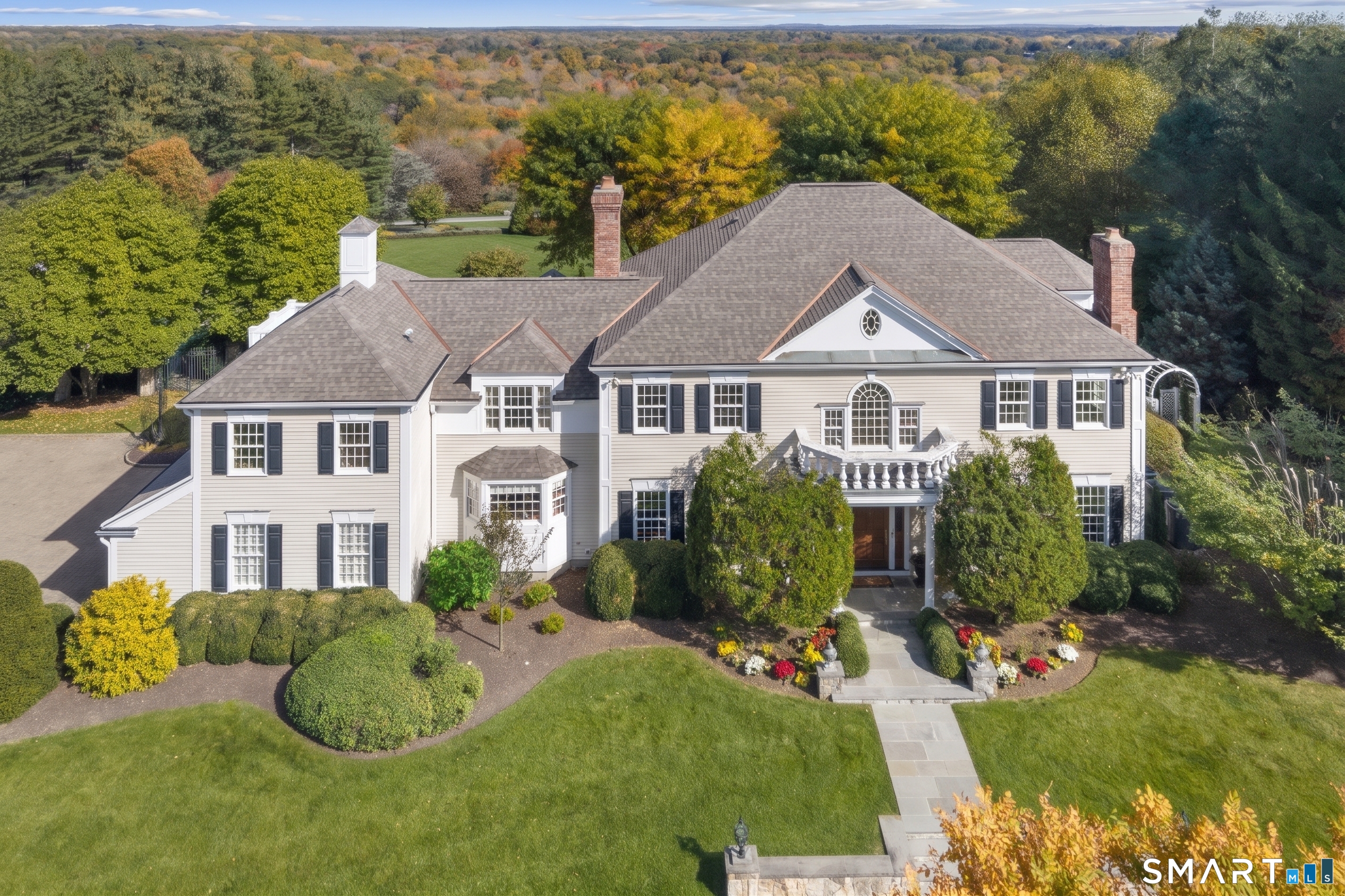
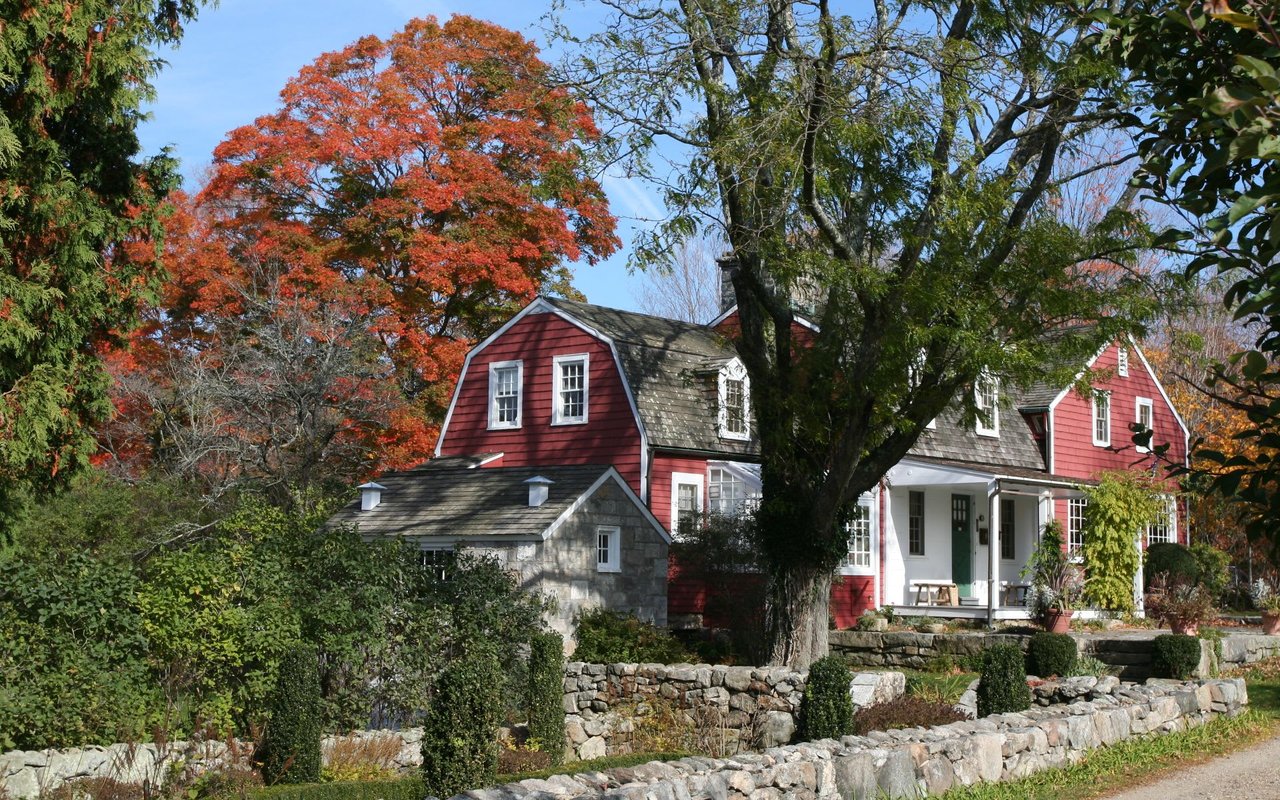
Colonials dominate the market, ranging from 18th-century antique farmhouses with exposed beams and center chimneys to large Georgian-style colonials built in the 1990s and 2000s. Capes and saltboxes are common in mid-century neighborhoods, offering compact footprints and classic New England character.
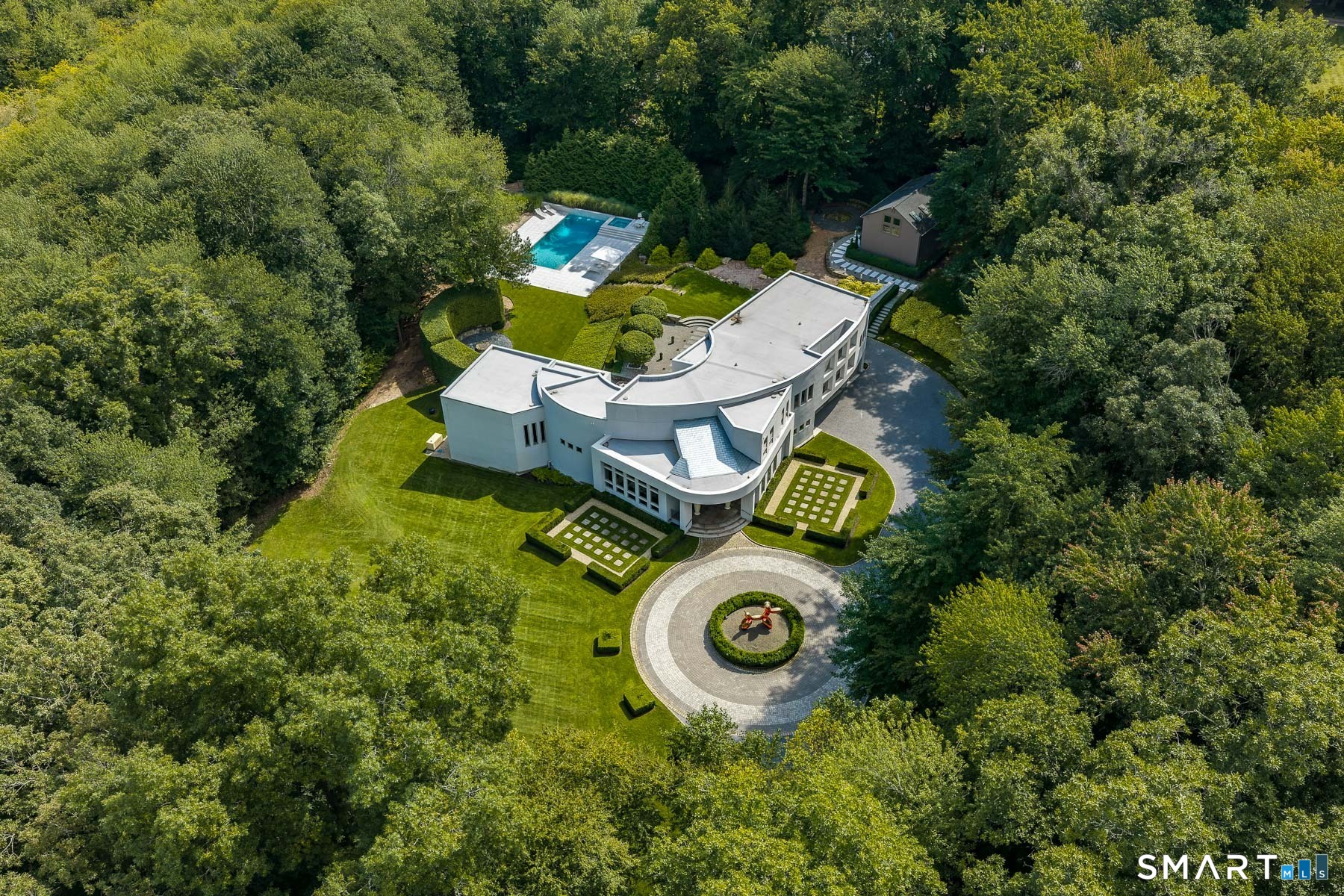
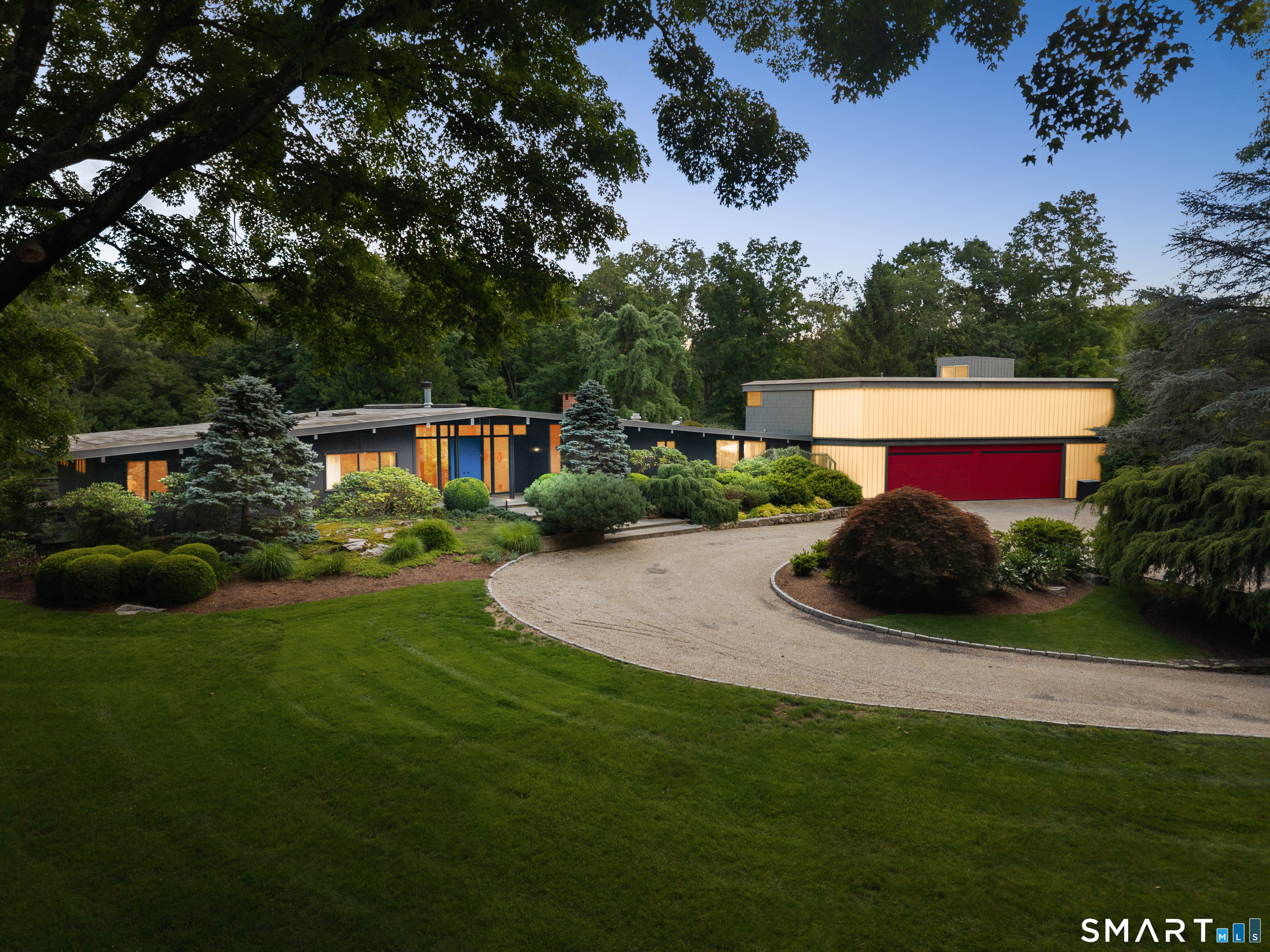
Wilton also has a notable collection of mid-century modern homes, many tucked into wooded hillsides and designed to connect indoor and outdoor living. These rarely come to market and draw a dedicated following when they do. Newer contemporary builds feature open layouts, high ceilings, and walls of glass. Ranches and split-levels fill out many suburban pockets, and many have been updated with open floor plans. Townhomes and condominiums near Wilton Center offer a low-maintenance option for downsizers and commuters.
Buyers considering an antique home should budget for inspections that cover septic systems, wells, and older structural elements, as many Wilton properties rely on private systems.
Wilton Center is the town's walkable village hub, built around Old Ridgefield Road and Center Street. Stone walls, green space, and independent businesses give it a traditional New England feel, and the Wilton Metro-North station sits right in the center.
The Village Market is a local institution, a family-owned grocer known for its produce, butcher counter, and prepared foods. Wilton Library anchors the community with programming for all ages, and Merwin Meadows Park and the Norwalk River Valley Trail are both within walking distance. Boutiques, cafés, and restaurants round out the area, making the center a natural gathering point for residents.
Wilton isn't divided into dense subdivisions. Instead, it's shaped by historic villages and geographic areas, each with its own character.
Cannondale is a historic station village in north-central Wilton, listed on the National Register of Historic Places. It's known for 18th- and 19th-century homes, cottages, converted barns, and the Cannondale Metro-North station, which makes it a strong fit for buyers who want history and rail access.
Silvermine sits in the southwest corner of town, bordering Norwalk and New Canaan. Winding roads, stone walls, the Silvermine River, and a long artistic tradition give it a distinctive, private character. Properties here tend to appeal to buyers who value setting and individuality over uniformity.
South Wilton and the Route 7 corridor border Norwalk and offer the quickest access to the Merritt Parkway and Route 7 shopping. This area features more traditional suburban neighborhoods with cul-de-sacs, ranches, and split-levels, often at more accessible price points.
Georgetown is a historic village shared by Wilton, Redding, and Weston. Its mill-town heritage, antique homes, and rustic setting make it one of the area's most characterful pockets.
North Wilton, along the Ridgefield border, is where buyers will find many of the town's custom estates and newer construction, often on larger parcels of two to four acres or more, close to golf, riding trails, and nature preserves.
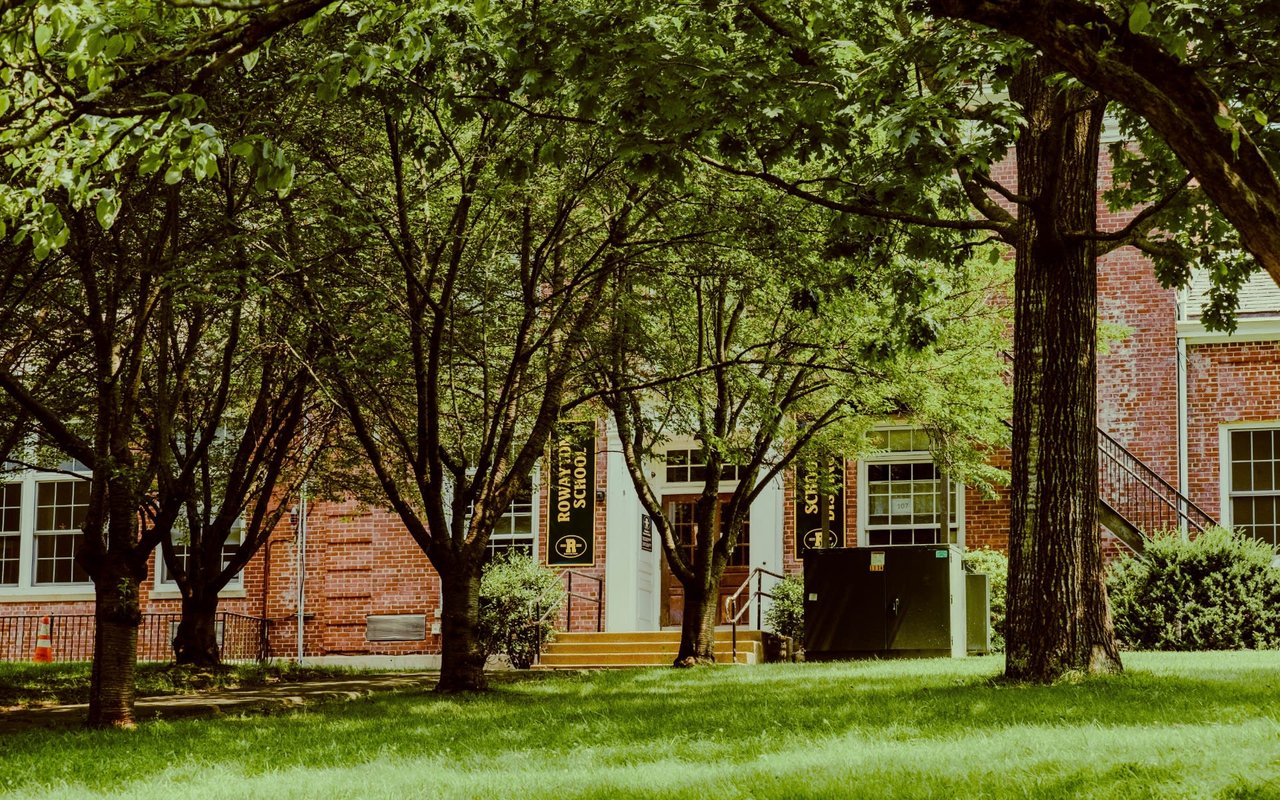
The Wilton Public School District is consistently ranked among the top districts in Connecticut, and it's one of the main reasons families choose the town. The district uses a grade-band structure, meaning every child in town attends the same schools at each stage. That creates continuity and a strong town-wide community among families.
School | Grades |
|---|---|
Miller-Driscoll School | PreK to 2 |
Cider Mill School | 3 to 5 |
Middlebrook School | 6 to 8 |
Wilton High School | 9 to 12 |
The district maintains a student-to-teacher ratio of roughly 12 or 13 to 1, and proficiency rates on state assessments sit around 81 to 82 percent. Wilton High School is known for its wide range of AP courses, competitive athletics, and especially its music and performing arts programs. Wilton has been recognized by the NAMM Foundation as one of the Best Communities for Music Education, a fitting distinction for a town that was once home to jazz legend Dave Brubeck.
Because every family feeds into the same schools, buyers don't need to choose a neighborhood based on school assignment, which gives them more flexibility to focus on the home and setting they want.
Wilton is served by two stations on Metro-North's Danbury Branch: Wilton Station in Wilton Center and Cannondale Station in north-central Wilton. Select peak-hour trains run through to Grand Central, while most trips involve a transfer at South Norwalk or Stamford. Total travel time to Grand Central typically runs about 85 to 90 minutes.
Many Wilton commuters prefer to drive 15 to 20 minutes south to South Norwalk or Westport, where main-line New Haven Line service offers more frequent express trains. Some residents on the western side of town also use the Harlem Line from Katonah, New York.
For drivers, Route 7 runs north-south through Wilton and connects to the Merritt Parkway and I-95 in Norwalk, while Route 33 links Wilton to Westport and Ridgefield. Norwalk is about 10 to 15 minutes away, Stamford about 25 to 35 minutes, and White Plains about 35 to 40 minutes.
Wilton has more than 1,000 acres of protected land, and open space is part of daily life rather than something residents drive to. Merwin Meadows Park, a short walk from Wilton Center, is the town's main summer destination, with a swimming pond, sandy beach, playgrounds, fields, and picnic pavilions. Schenck's Island, along the Norwalk River in the center of town, is a favorite for picnics, dog walks, and fly fishing.
The Norwalk River Valley Trail is a multi-town greenway that will eventually connect Norwalk to Danbury. Its Wilton Loop passes through the woods, past Wilton Center and school grounds, and draws walkers, runners, cyclists, and families with strollers. The Wilton Land Conservation Trust protects dozens of additional properties with public trail access, and Woodcock Nature Center, on the Wilton-Ridgefield line, offers 149 acres of preserve land and environmental education programs.
On the Wilton-Ridgefield border sits Weir Farm National Historical Park, Connecticut's only national park and one of the few in the country dedicated to American art. It preserves the 60-acre summer home, studios, and landscape of J. Alden Weir, one of the founders of American Impressionism, who acquired the farm in 1882. Artists including Childe Hassam and John Twachtman spent time here, and the property later became home to sculptor Mahonri Young.
Visitors can tour Weir's studio, Young's studio, and the Weir House during the main season, which typically runs from May through October. The grounds are open year-round from sunrise to sunset, and admission is free. The park's "Take Part in Art" program provides free art supplies so visitors can paint in the same fields the Impressionists did. Trails wind past stone walls, gardens, and Weir Pond, connecting to the adjacent 110-acre Weir Preserve. For Wilton residents, it's both a cultural landmark and a quiet place for a weekend walk.
Ambler Farm is a 22-acre, town-owned farm that reflects Wilton's agricultural roots. Settled by the Raymond family in the late 1700s and worked by the Raymond and Ambler families for roughly two centuries, it was acquired by the Town of Wilton in 1999 and is now run as an educational farm and community center.
The farm is woven into Wilton's seasonal calendar. In late winter, residents and students learn traditional maple sugaring. From spring through fall, the farm stand sells organic vegetables, flowers, herbs, and honey grown on-site. Ambler Farm Day each autumn brings hayrides, cider pressing, and farm demonstrations, and youth programs and summer camps teach children about agriculture and animal care. Restoration of the historic Raymond-Ambler House and barns continues to preserve this piece of Wilton's past.
Wilton's cultural life is community-driven and active year-round. Wilton Library is the center of it, hosting author talks, film screenings, workshops, and concerts in the Brubeck Room. The Wilton Historical Society, located at Lambert Corner on Danbury Road, preserves historic buildings and offers exhibitions and events focused on local and regional history.
The Wilton Arts Council promotes local artists through exhibitions and public programming. Cannon Grange, founded in 1899 in the Cannondale area, still hosts community suppers and its annual agricultural fair, one of the town's most beloved traditions. Wilton High School's theater and music programs also draw strong turnout from residents, reflecting how closely the schools and community are connected.
Wilton's dining scene leans toward local, independent spots rather than chains, with most restaurants located in Wilton Center or along Route 7.
Orem's Diner on Danbury Road is a longtime local institution for breakfast and comfort food. In Wilton Center, Bianco Rosso offers Italian fare, handmade pasta, and wine, while Craft 14 Kitchen serves modern American food and craft beer. Cafés and bakeries round out the scene for morning coffee and weekend treats, and the Village Market's prepared foods are a go-to for busy families. For a wider range of fine dining, Westport, Ridgefield, and SoNo are all a short drive away.
Beyond its parks and trails, Wilton has strong recreation infrastructure. The Riverbrook Regional YMCA in Wilton offers indoor and outdoor pools, fitness facilities, child care, and summer camps. Allen's Meadows, off Danbury Road, provides fields for soccer, lacrosse, and baseball, along with community garden plots. Comstock Community Center hosts recreation classes, senior programs, and court sports.
Youth sports are a big part of family life in Wilton, with active volunteer leagues for lacrosse, soccer, football, basketball, and baseball. Rolling Hills Country Club offers an 18-hole golf course, tennis, and a pool for members, and the Norwalk River provides fly fishing opportunities close to home.
Wilton makes the most sense for buyers who want space, nature, and excellent schools without giving up access to New York and Fairfield County's job centers. Here's how it stands out:
If you're considering buying or selling in Wilton, Jillian Klaff brings more than 30 years of experience in Lower Fairfield County real estate and more than $600 million in career sales. A top producer with Coldwell Banker Realty in Westport, she has earned the company's International President's Premier, International President's Elite, and International Diamond Society honors. Jillian's background as a Certified Public Accountant gives her a sharp eye for value and a strong edge in negotiation, and her GRI and ABR designations reflect her expertise representing both buyers and sellers. She has particular depth in land purchases and new construction, having worked with many of the area's leading builders and partnered on building spec homes herself, which is especially valuable in a town like Wilton where land, antique homes, and custom builds are all part of the market. Reach out to Jillian at (203) 858-2095 or [email protected] to start your Wilton home search or get a clear picture of what your home is worth.
Wilton has 6,122 households, with an average household size of 3. Data provided by the U.S. Census Bureau. Here’s what the people living in Wilton do for work — and how long it takes them to get there. Data provided by the U.S. Census Bureau. 18,777 people call Wilton home. The population density is 802 and the largest age group is Data provided by the U.S. Census Bureau.
Total Population
Population Density Population Density This is the number of people per square mile in a neighborhood.
Median Age
Men vs Women
Population by Age Group
0-9 Years
10-17 Years
18-24 Years
25-64 Years
65-74 Years
75+ Years
Education Level
Total Households
Average Household Size
Average individual Income
Households with Children
With Children:
Without Children:
Marital Status
Blue vs White Collar Workers
Blue Collar:
White Collar:
Based on information submitted to the MLS GRID as of . All data is obtained from various sources and may not have been verified by the broker or MLS GRID. Supplied Open House Information is subject to change without notice. All information should be independently reviewed and verified for accuracy. Properties may or may not be listed by the office/agent presenting the information.
Search by Cities Search by Zip Codes