27,282 people live in Westport, where the median age is 46 and the average individual income is $135,706. Data provided by the U.S. Census Bureau.
Total Population
Median Age
Population Density Population Density This is the number of people per square mile in a neighborhood.
Average individual Income
Westport sits on Long Island Sound in Fairfield County, about 50 miles northeast of Manhattan, with roughly 27,000 residents spread across 33.5 square miles — nearly 40% of which is water, marsh, and tidal basin. That water is the whole story. It shapes where the expensive houses are, which neighborhoods feel like a beach town and which feel like the country, and why two properties a mile apart can differ by a million dollars.
What defines Westport is the unusual combination it pulls off: a genuine coastal town with a nationally ranked public school system, a walkable downtown, an arts scene with real institutional weight, and a 65-minute express train to Grand Central. Most towns get two of those. Westport has all four, which is why the median single-family sale price sits between roughly $2.1M and $2.4M and why inventory rarely lingers.
The land belonged to the Paugussett people before English colonists settled it in the mid-1600s. Early Westport farmed — and specifically, it farmed onions, which became a serious regional export crop. The Saugatuck River turned that agricultural output into commerce: market sloops carried produce down to New York, shipbuilding took hold along the banks, and the settlement grew prosperous enough to incorporate as its own town in 1835, carved out of Fairfield, Norwalk, and Weston.
The chapter that still shapes the town's character came later. Once rail service made Westport an easy trip from Manhattan, illustrators, playwrights, and novelists started buying up farmhouses — F. Scott Fitzgerald, Paul Newman, and photographer Sanford Roth among them. The town became a working artists' and writers' colony, and that legacy isn't just a plaque on a wall. It's why a town this size supports a professional regional theater, a contemporary art museum, and a library that functions more like a cultural center.
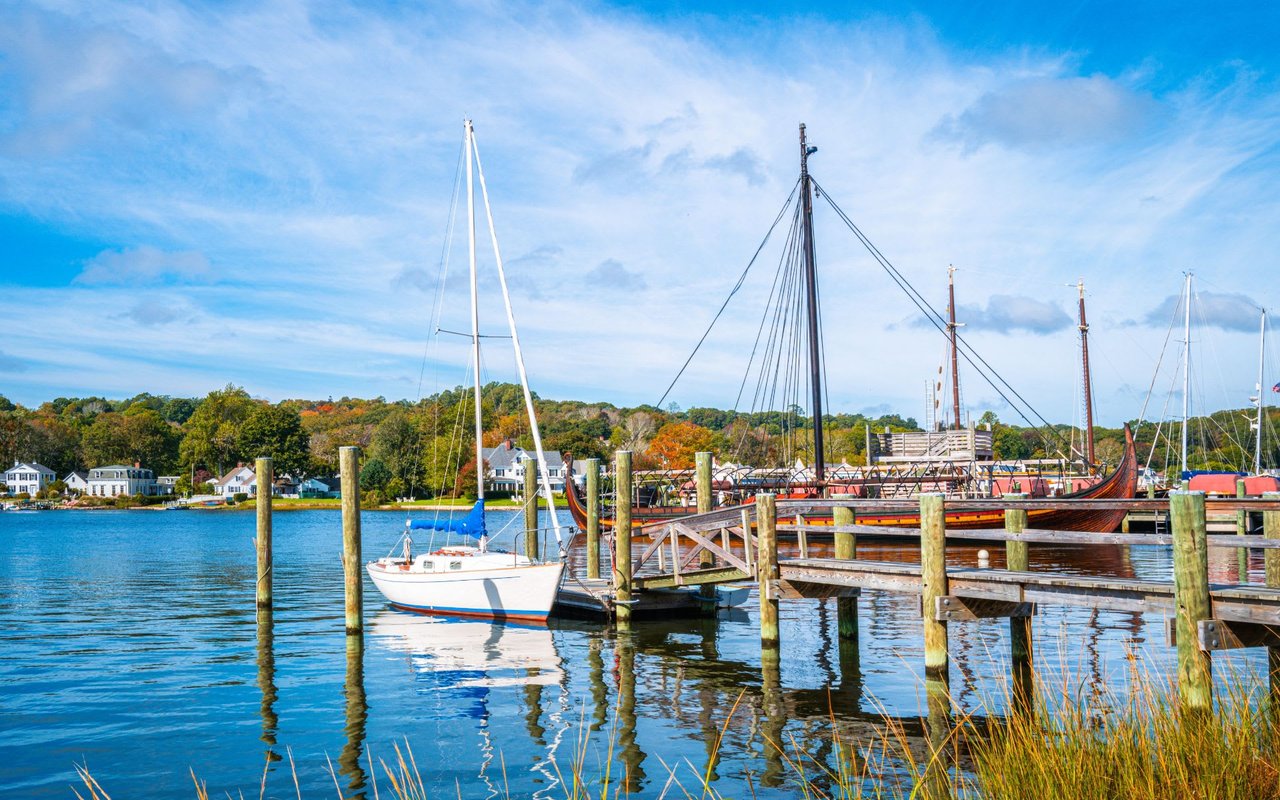
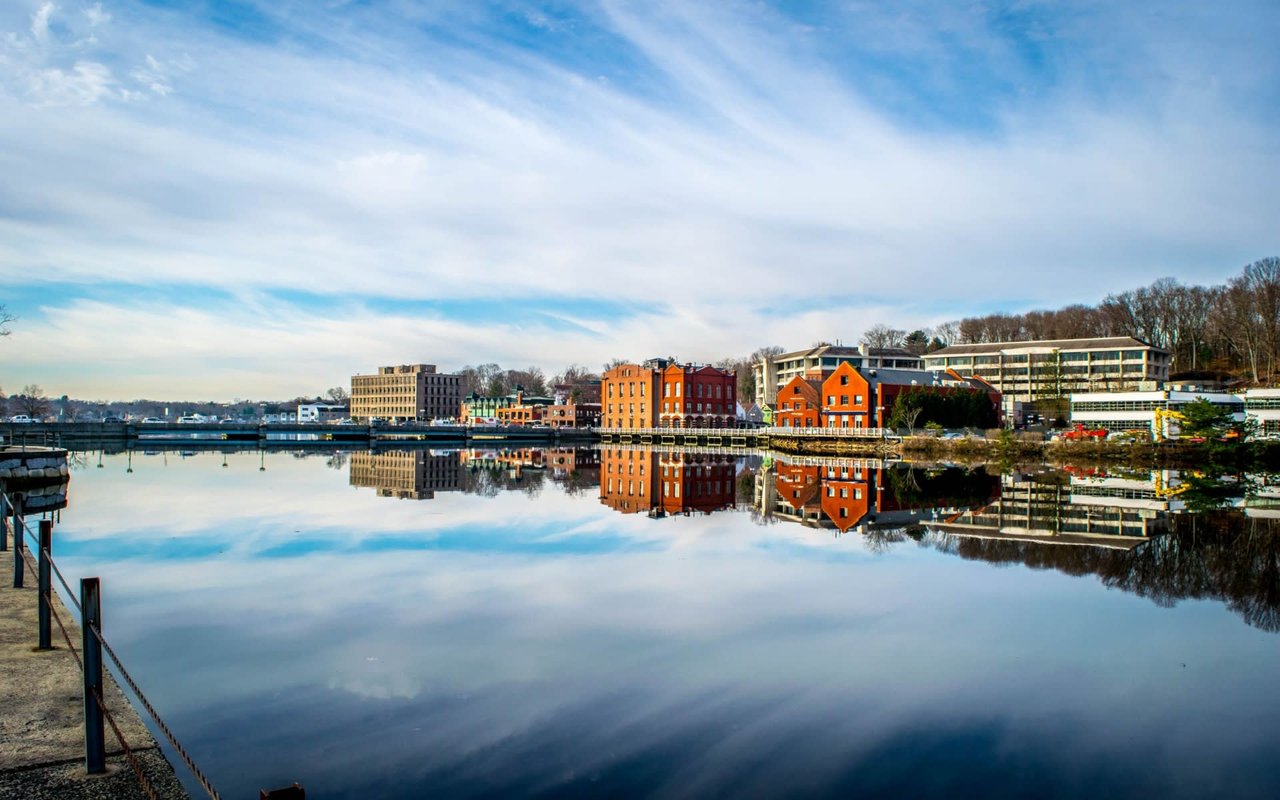
Westport occupies the southwestern corner of Connecticut along what's known as the Gold Coast. Long Island Sound forms the southern border. The Saugatuck River runs north to south through the middle of town, emptying into the Sound and creating the tidal inlets, harbors, and salt marshes that break Westport into distinct pockets.
Norwalk borders Westport to the west, Fairfield to the east, Weston to the north, and Wilton to the northwest. For anyone weighing a move from the city, the practical numbers matter more than the map: I-95 runs the southern corridor, the Merritt Parkway (Route 15) runs the northern one, and Metro-North's New Haven Line stops twice in town. Peak express to Grand Central is about 70 minutes.
Westport isn't one market. It's eight or nine of them, and knowing which is which is most of what separates a good purchase from a frustrating one.
Neighborhood | Character | What You'll Find |
|---|---|---|
Compo Beach | Coastal, social, walkable | Beach cottages and luxury builds on tight 0.1–0.3 acre lots; steps from Compo Beach and Longshore |
Saugatuck / Saugatuck Shores | Maritime, restaurant-dense | Deep-water docks, riverfront condos, historic colonials; train station and dining hub |
Greens Farms | Oldest settlement; quiet, estate-like | Landmark estates on significant acreage, its own Metro-North station, Greens Farms Academy |
Old Hill | Historic district, winding roads | 18th and 19th-century homes and renovated estates under mature canopy, walkable to downtown |
Coleytown | Woodsy, private, northern | 2+ acre country lots, long driveways, mid-century moderns and colonials |
Long Lots | Central, classic suburban | Post-war colonials on half-acre to acre lots, close to schools |
Hunt Club | Equestrian, eastern side | Level lots, traditional New England architecture around the Fairfield County Hunt Club |
Red Coat | Wooded, north-central | Historic saltboxes and conversions near the Aspetuck valley and land trust preserves |
The pattern worth internalizing: lot size rises as you move north, and price per square foot rises as you move toward water. A buyer who wants three acres and a buyer who wants to walk to the beach are shopping in two different towns that happen to share a ZIP code.
Weekdays here run fast. Commuters fill the Saugatuck platform before seven, school and youth sports schedules dominate afternoons, and civic involvement is high enough that most residents end up on a board, a committee, or a sideline. Weekends slow down and move outdoors.
The seasons genuinely change how the town operates. Summer belongs to Compo Beach, sailing, free concerts at the Levitt Pavilion, and patio dining along the river. Fall brings foliage on the back roads through Coleytown and Red Coat, orchard runs, and Friday night games at Staples. Winter goes quiet and indoor — galleries, restaurants, ice skating and paddle tennis at Longshore. Spring restarts everything: marina slips reopen, leagues start, the farmers market returns.
Westport draws families, mid-to-late-career professionals, entrepreneurs, and finance and media executives, many of them New York transplants trading square footage for a commute. Layered underneath is a durable population of long-term residents and working creatives who've been here for decades. That mix keeps the town from feeling like a pure bedroom community.
Five styles account for most of the housing stock, and each one tends to cluster geographically.
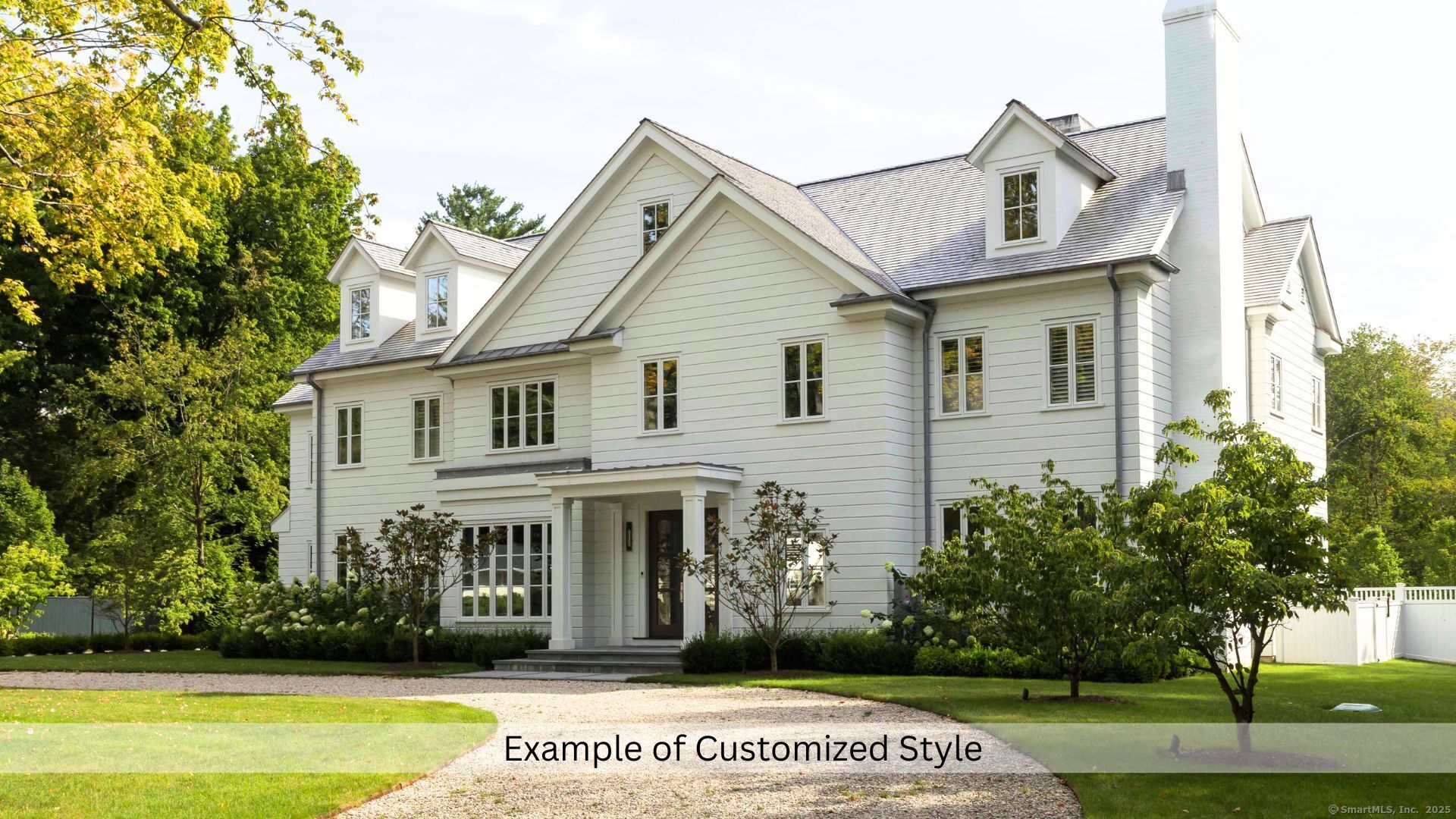
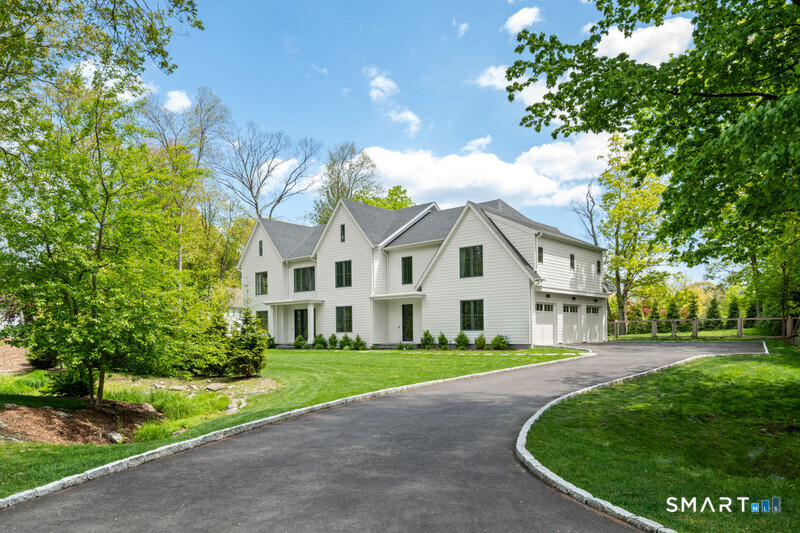
New construction and modern farmhouses — 5,000 to 8,000+ square feet, open plans, high-end finishes, multi-car garages, smart home systems. Found throughout town, frequently replacing tear-downs.
Classic New England colonials — center-hall layouts, clapboard or cedar shake, formal rooms, brick fireplaces. Concentrated in central Westport, Long Lots, and the Hunt Club area.
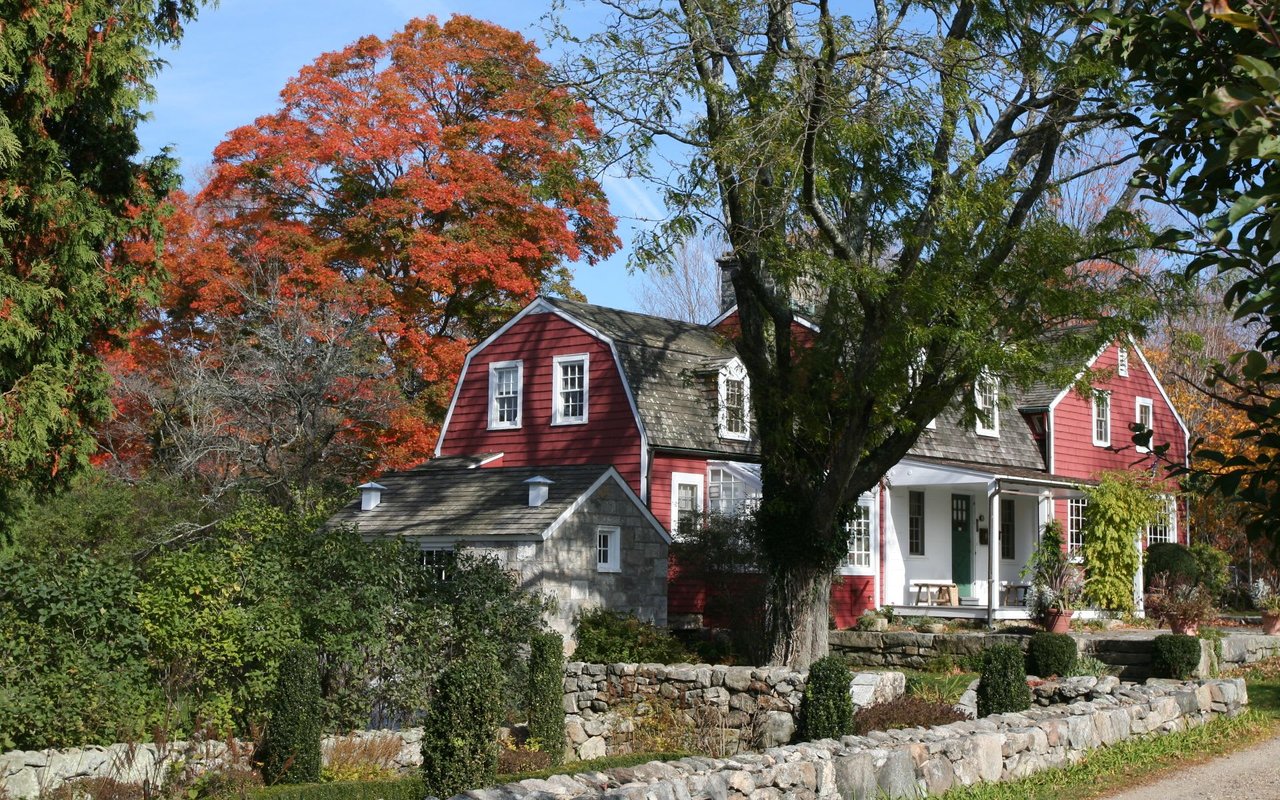
Antique capes and saltboxes — genuine 18th and 19th-century homes with original woodwork, wide-plank floors, low ceilings, stone hearths. Old Hill, Greens Farms, and Red Coat.
Mid-century moderns — glass walls, low rooflines, post-and-beam construction sited into the trees. Mostly tucked into wooded northern lots in Coleytown.
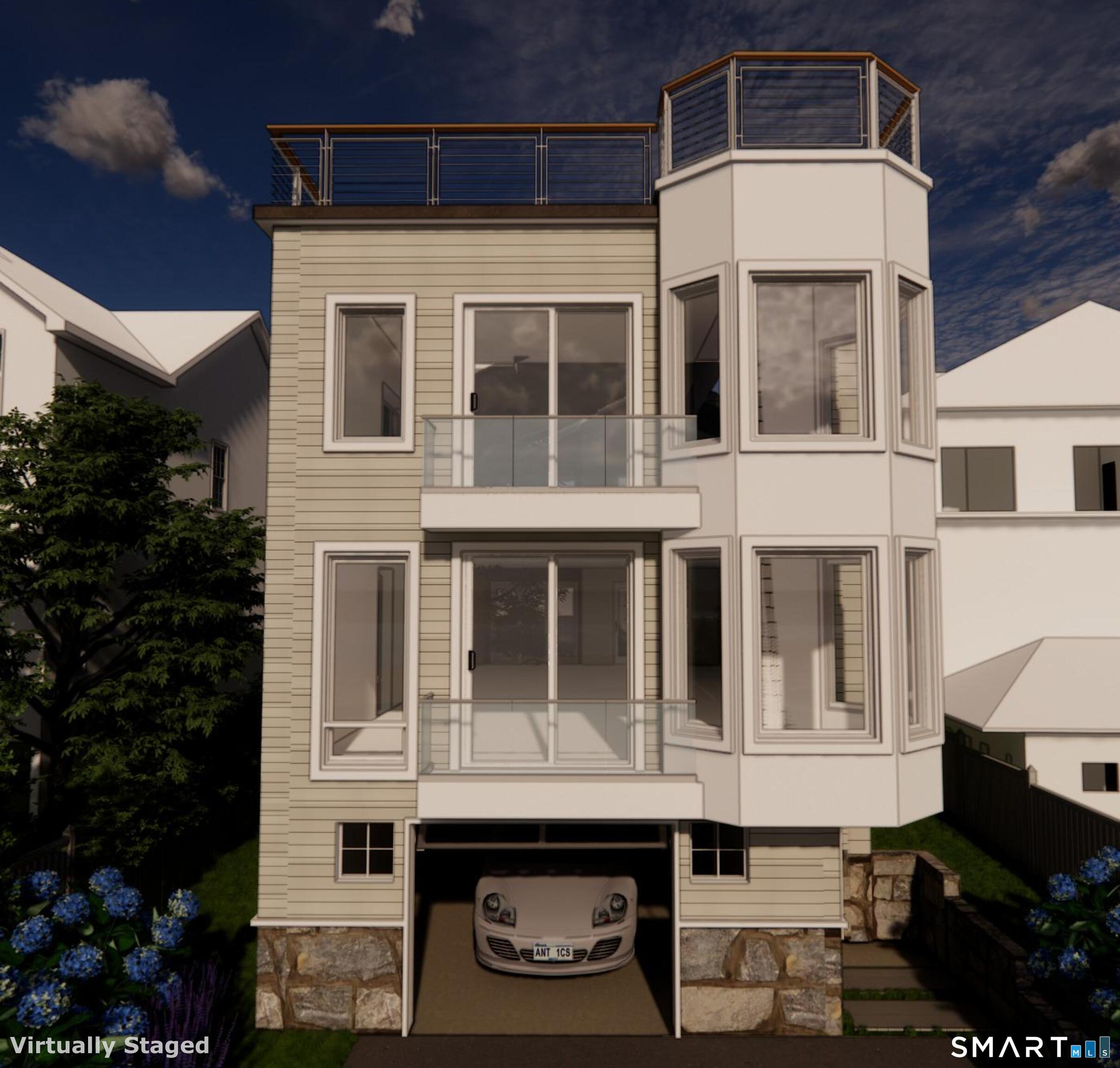
Waterfront and beach homes — elevated coastal builds, shingle-style estates, renovated cottages with water views and docks. Compo Beach, Saugatuck Island, Saugatuck Shores.
On lot sizes: coastal enclaves run 0.1 to 0.3 acres, where proximity beats acreage every time. The suburban middle — Long Lots, Old Hill, Hunt Club — typically falls between half an acre and a full acre. North of the Merritt, zoning generally requires one to two-plus acres. If a listing's price looks out of line with comparable square footage, the lot and the neighborhood almost always explain it.
The school district is the single most common reason families move here, and it holds up to the reputation.
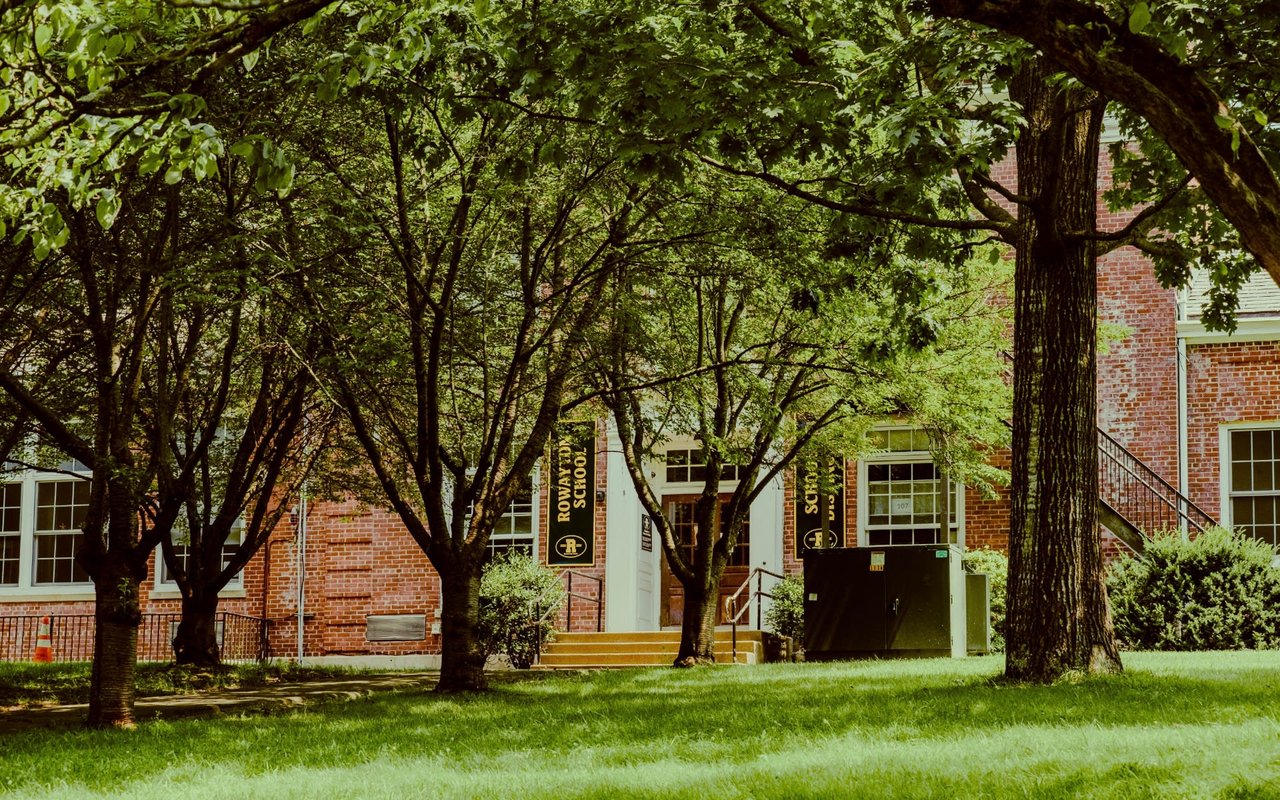
Staples High School (9–12) ranks among Connecticut's elite public high schools, with deep AP offerings, competitive athletics (the Wreckers), and Staples Players, a theater program with a national profile.
Two middle schools serve grades 6–8: Bedford Middle School draws from central and southern zones, Coleytown Middle School from the northern ones.
Five elementary schools cover PreK–5 — Coleytown (northern Coleytown and Red Coat), Greens Farms (historic southeast), King's Highway (near Old Hill and downtown), Long Lots (central-eastern corridor), and Saugatuck (southern, coastal, riverfront). Attendance zones matter when you're choosing an address; confirm them before you fall in love with a house.
On the independent side, Greens Farms Academy runs PreK–12 on a 44-acre coastal campus in town, and Pierrepont School offers a small classical K–12 program. Families also commute to Fairfield Prep, Sacred Heart, and St. Luke's in New Canaan.
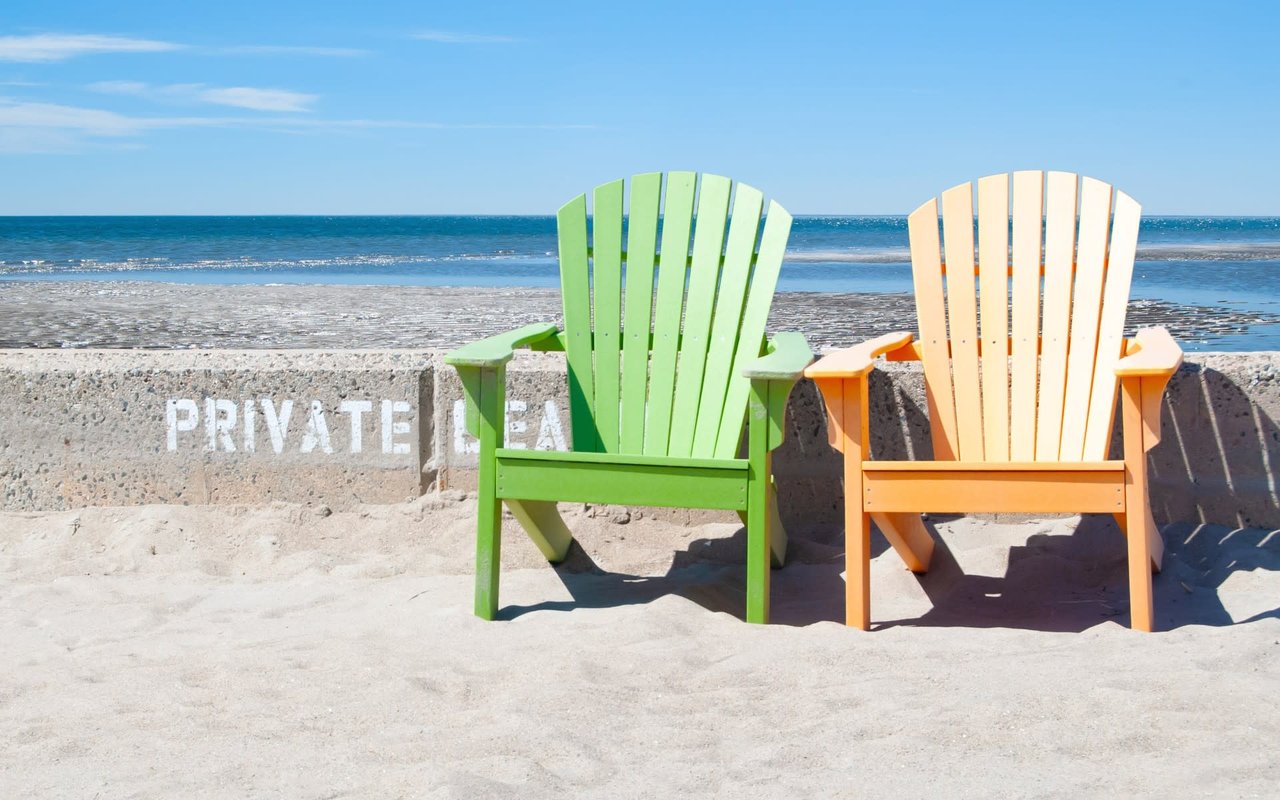
Compo Beach is the town's center of gravity in summer — 29 acres of sandy shoreline with a boardwalk, volleyball and basketball courts, a large playground, and a marina. Resident emblem parking applies during the season, with guest passes available.
Longshore Club Park is 168 waterfront acres the town owns and operates for residents: an 18-hole golf course, tennis and pickleball, pools, an ice rink, and a sailing school. It's effectively a country club without the membership, and it's a real factor in the value of nearby addresses.
Sherwood Island State Park — Connecticut's oldest state park, 235 acres of beach, salt marsh, trails, and a nature center, with free parking for Connecticut-registered vehicles year-round.
Winslow Park near downtown offers open lawns, mature shade trees, and an off-leash dog park. North of town, the Aspetuck Land Trust maintains hundreds of protected acres including Trout Brook Valley and Newman Poses Preserve, with free hiking trails and river access.
The Westport Country Playhouse opened in a converted tannery in 1931 and has staged work by performers from Paul Newman to Eartha Kitt. It still produces professional equity theater year-round.
The Levitt Pavilion for the Performing Arts sits on the Saugatuck riverbank downtown and puts on more than 50 free outdoor concerts each summer — indie rock, jazz, classical, children's shows. Bring a blanket; people arrive early.
MoCA Westport on Newtown Turnpike rotates contemporary exhibitions alongside chamber music, a jazz series, and youth arts programming.
The Westport Library deserves its own mention. Downtown, overlooking the river, it houses a MakerSpace, recording studios, and a central forum used for author talks and public panels. It functions as the town's de facto living room.
Main Street and the downtown core combine national luxury retail — Tiffany & Co., Lululemon, Anthropologie — with independent boutiques, cafés, and riverfront bistros along brick sidewalks.
Saugatuck is where people actually go to eat. The riverside blocks around the train station have become the town's culinary center: waterfront patios, seafood, high-end Italian, artisanal bakeries.
Compo Acres and the Post Road corridor handle daily life — Trader Joe's, specialty markets, fitness studios, casual dining.
The Westport Farmers Market is among Connecticut's best, running Thursdays at 50 Imperial Avenue in summer and fall and moving to Gilbertie's Herb Gardens for winter, with 50-plus local farms and food producers.
Two Metro-North New Haven Line stations serve the town. Westport Station, in Saugatuck, is the primary hub — large daily and permit lots, indoor waiting, taxi stands, frequent express service. Greens Farms Station is smaller and quieter, serving eastern Westport.
Peak express to Grand Central runs 65 to 70 minutes; off-peak and local trains take 75 to 85. Stamford is 18 to 25 minutes, which matters more than people expect given how much of Fairfield County's corporate employment sits there.
By car, I-95 serves southern Westport at Exits 17 and 18 — the practical route to Stamford, Greenwich, and the city, though drive time to NYC swings from 60 minutes to well over 90 depending on traffic. The Merritt Parkway (CT-15) runs along northern Westport at Exits 41 and 42. It's passenger vehicles only, scenic, and usually the better bet outside rush hour.
One piece of local advice: parking permits at Westport Station have historically carried a wait. If train access is central to your decision, sort that out early rather than after you close.
The Westport Fine Arts Festival takes over Main Street each July — a juried show drawing more than 100 national artists, with live music and gallery walks. Slice of Saugatuck arrives in late summer or early fall, turning the neighborhood into a walking tasting tour with restaurant samples, beer gardens, and live bands. The Memorial Day Parade runs from River Road to Veterans Green each May with local marchers, school bands, and emergency services — one of the town's oldest traditions. The Levitt Pavilion summer series runs June through August, and Independence Day fireworks launch off the coast at Compo Beach, drawing what feels like the entire town onto the sand.
If you're considering a move to Westport — or thinking about what your current home would bring in this market — Jillian Klaff has spent more than 30 years working in Lower Fairfield County and has surpassed $600 million in career sales as a consistent top producer at Coldwell Banker Realty in Westport. She lives here, raised three sons through the Westport Public Schools, and knows the difference between a Coleytown acre and a Compo lot in a way that only comes from decades in one market. Her background as a CPA sharpens her negotiation and financial guidance, and she holds GRI and ABR designations representing buyers and sellers with equal depth. She has particular expertise in land acquisition and new construction, having worked alongside many of the area's leading builders and partnered on two spec homes herself.
Reach Jillian at (203) 858-2095 or [email protected], or stop by the office at 355 Riverside Avenue, Westport, CT 06880. Whether you're buying, selling, or still deciding which Westport neighborhood fits, she'll give you a straight answer.
Westport has 9,698 households, with an average household size of 3. Data provided by the U.S. Census Bureau. Here’s what the people living in Westport do for work — and how long it takes them to get there. Data provided by the U.S. Census Bureau. 27,282 people call Westport home. The population density is 1,540 and the largest age group is Data provided by the U.S. Census Bureau.
Total Population
Population Density Population Density This is the number of people per square mile in a neighborhood.
Median Age
Men vs Women
Population by Age Group
0-9 Years
10-17 Years
18-24 Years
25-64 Years
65-74 Years
75+ Years
Education Level
Total Households
Average Household Size
Average individual Income
Households with Children
With Children:
Without Children:
Marital Status
Blue vs White Collar Workers
Blue Collar:
White Collar:
Based on information submitted to the MLS GRID as of . All data is obtained from various sources and may not have been verified by the broker or MLS GRID. Supplied Open House Information is subject to change without notice. All information should be independently reviewed and verified for accuracy. Properties may or may not be listed by the office/agent presenting the information.
Search by Cities Search by Zip Codes